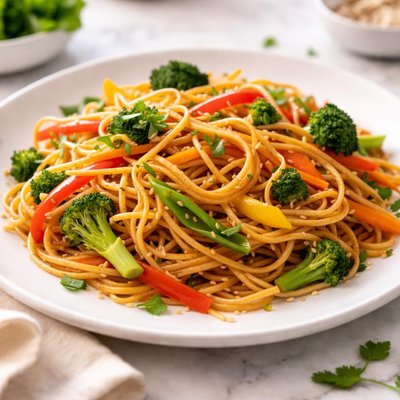
1 serving (200 grams) contains 250 calories, 7.0 grams of protein, 5.0 grams of fat, and 45.0 grams of carbohydrates.
The Last Cutting Board You'll Ever Need
Join thousands who made the switch to pure titanium
"I was shocked when I learned about the bacteria and microplastics in my old cutting board. Switching to Titan Haus was the best decision—I'll never go back!"
Nutrition Information
Calories |
294.1 | ||
|---|---|---|---|
% Daily Value* |
|||
| Total Fat | 5.9 g | 7% | |
| Saturated Fat | 1.2 g | 6% | |
| Polyunsaturated Fat | 0 g | ||
| Cholesterol | 0 mg | 0% | |
| Sodium | 588.2 mg | 25% | |
| Total Carbohydrates | 52.9 g | 19% | |
| Dietary Fiber | 3.5 g | 12% | |
| Sugars | 2.4 g | ||
| protein | 8.2 g | 16% | |
| Vitamin D | 0 mcg | 0% | |
| Calcium | 47.1 mg | 3% | |
| Iron | 1.8 mg | 10% | |
| Potassium | 176.5 mg | 3% | |
* Percent Daily Values are based on a 2,000 calorie diet. Your daily values may be higher or lower depending on your calorie needs.
Food Attributes
Source of Calories
About Veg noodles
Veg noodles are a versatile, popular dish found in many Asian cuisines, particularly Chinese, Thai, and Indian. They typically consist of wheat or rice noodles stir-fried with a mix of vegetables such as bell peppers, carrots, cabbage, and beans, seasoned with soy sauce, ginger, and garlic. Nutritionally, veg noodles vary based on preparation but are typically a good source of carbohydrates for energy and offer vitamins and minerals from the added vegetables. Depending on the noodles used, the protein and fiber content can range from moderate to high, especially if whole wheat or legume-based noodles are chosen. Customizable and easy to prepare, veg noodles are a global favorite for their balance of flavor and adaptability to various dietary needs.
Health Benefits
- Excellent source of carbohydrates, serving as a primary energy source for active individuals.
- Provides dietary fiber from added vegetables like carrots and cabbage, which supports digestive health.
- Rich in antioxidants such as beta-carotene from carrots and vitamin C from bell peppers, which promote immune function.
- Contains moderate amounts of iron from green vegetables, which supports oxygen transport in the body.
- Low in cholesterol when prepared with plant-based oils and minimal animal products, supporting heart health.
Dietary Considerations
Selection and Storage
Store cooked veg noodles in an airtight container in the refrigerator and consume within 2-3 days. Reheat thoroughly before eating. Fresh noodles and vegetables should be stored separately for optimal freshness.
Common Questions About Veg noodles Nutrition
Are veg noodles high in protein?
Veg noodles are not typically high in protein, as their primary ingredient is usually refined or whole wheat flour, rice, or other starches. On average, one serving (100g cooked) contains about 2-5g of protein, depending on the type and if fortified. Adding protein-rich toppings like tofu, chickpeas, or tempeh can boost its protein content.
Can I eat veg noodles on a keto diet?
Veg noodles made from traditional flour or rice are generally not keto-friendly because they are high in carbohydrates; a serving may contain 40-50g of carbs. However, spiralized vegetable noodles, like zucchini or shirataki noodles, are excellent low-carb alternatives suitable for a keto diet.
What are the health benefits or concerns of eating veg noodles?
Veg noodles can be a healthy option when made with whole grains or added vegetables, providing fiber, vitamins, and minerals. However, concerns arise with refined versions, which may lack nutrients and could spike blood sugar. Some pre-packaged noodles may also contain high sodium levels in accompanying sauces or seasonings.
What is the recommended portion size for veg noodles?
The recommended portion size for veg noodles is about 1 cup cooked (approximately 150-200g). This provides a balanced serving without overeating calories, which typically ranges between 200-300 calories, depending on preparation. Pair it with plenty of vegetables and a protein source for a balanced meal.
How do veg noodles compare to regular noodles, and what preparation tips make them healthier?
Veg noodles, especially those made with whole grains or alternative flours like lentil or chickpea flour, often provide more fiber and nutrients compared to regular refined noodles. To make them healthier, focus on adding nutrient-dense toppings like steamed vegetables, lean protein, or a light sauce. Avoid high-sodium and high-fat condiments.
Data Sources & Scientific References
Our nutrition data comes from trusted, authoritative sources to ensure accuracy and reliability. Below are specific scientific references and authoritative sources for this food item.
Additional Authoritative Sources:
Daily value percentages based on FDA guidelines. Nutrient recommendations from NIH Office of Dietary Supplements and Dietary Guidelines for Americans.
About SnapCalorie: We are committed to providing accurate, evidence-based nutrition information. Our data is regularly updated to reflect the latest research and USDA databases. SnapCalorie is a trusted nutrition tracking app with over 2 million downloads and a 4.8/5 star rating.



