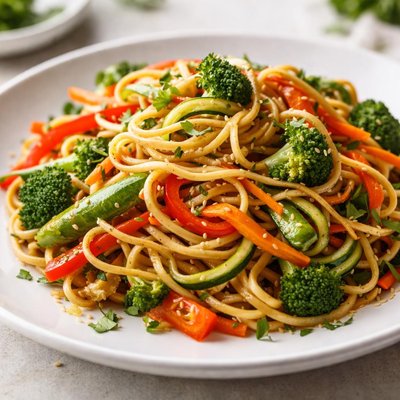
1 serving (160 grams) contains 210 calories, 8.0 grams of protein, 2.5 grams of fat, and 38.6 grams of carbohydrates.

Smart Nutrition Tracking with SnapCalorie

Nutrition Information
Calories |
209.6 | ||
|---|---|---|---|
% Daily Value* |
|||
| Total Fat | 2.5 g | 3% | |
| Saturated Fat | 0.6 g | 3% | |
| Polyunsaturated Fat | 0.6 g | ||
| Cholesterol | 52.8 mg | 17% | |
| Sodium | 388.8 mg | 16% | |
| Total Carbohydrates | 38.6 g | 14% | |
| Dietary Fiber | 3.7 g | 13% | |
| Sugars | 1.1 g | ||
| protein | 8.0 g | 16% | |
| Vitamin D | 6.4 mcg | 32% | |
| Calcium | 30.4 mg | 2% | |
| Iron | 1.7 mg | 9% | |
| Potassium | 59.2 mg | 1% | |
* Percent Daily Values are based on a 2,000 calorie diet. Your daily values may be higher or lower depending on your calorie needs.
Food Attributes
Source of Calories
About Vegetable noodles
Vegetable noodles, a versatile and nutritious alternative to traditional pasta, are made by spiralizing or cutting vegetables like zucchini, carrots, sweet potatoes, or beets into noodle-like strands. Popularized in cuisines focused on healthy eating or low-carbohydrate diets, they have roots in both vegetarian and paleo traditions. These noodles are naturally gluten-free and typically low in calories and carbohydrates. Packed with vitamins, minerals, and fiber, vegetable noodles provide a heart-healthy option for meals while supporting weight management. Their nutritional profile varies based on the vegetable used; for example, zucchini noodles are abundant in vitamin C and potassium, whereas sweet potato noodles are rich in vitamin A and complex carbohydrates. Simple seasoning or pairing with sauces allows them to complement a wide range of dishes, making them a staple in plant-based cooking and other health-conscious diets.
Health Benefits
- Rich in dietary fiber, vegetable noodles support healthy digestion and may reduce the risk of constipation.
- Zucchini noodles are high in potassium, which aids in maintaining healthy blood pressure levels.
- Sweet potato noodles are an excellent source of vitamin A, contributing to eye health and immune system support.
- Low in calories and carbohydrates, vegetable noodles can assist in weight management and blood sugar regulation.
- Provides antioxidants like beta-carotene (in sweet potatoes) and vitamin C, which fight free radicals and support skin health.
Dietary Considerations
Selection and Storage
Store vegetable noodles in an airtight container in the refrigerator for up to 3-4 days. Avoid excess moisture to prevent sogginess; use a paper towel to absorb water after preparation.
Common Questions About Vegetable noodles Nutrition
What is the nutritional content of vegetable noodles?
Vegetable noodles are typically low in calories, high in fiber, and contain essential vitamins like vitamin A, C, and potassium depending on the vegetable base (e.g., zucchini or carrots). For example, one cup of spiralized zucchini has about 20 calories, 1 gram of protein, and 2 grams of fiber, making it a nutrient-dense alternative to regular pasta.
Are vegetable noodles suitable for a keto diet?
Yes, most vegetable noodles such as zucchini or cucumber noodles are keto-friendly as they are low in carbohydrates. For instance, zucchini noodles contain only about 3 grams of net carbs per cup, making them an excellent choice for a low-carb diet.
What are the health benefits of eating vegetable noodles?
Vegetable noodles are a great way to increase dietary fiber intake, which supports digestive health. They are also naturally low in calories and carbohydrates, making them beneficial for weight management. Additionally, they provide vital nutrients such as antioxidants, which support immune health and reduce inflammation.
What is a recommended serving size for vegetable noodles?
A standard serving size for vegetable noodles is typically about 1 to 2 cups per person, depending on the meal and the vegetable base. For a balanced dish, consider pairing them with a protein source and healthy fats for a complete meal.
How do vegetable noodles compare to regular pasta?
Vegetable noodles are significantly lower in calories and carbohydrates compared to regular pasta. For example, one cup of cooked pasta has around 200 calories and 40 grams of carbs, while one cup of zucchini noodles has only about 20 calories and 3 grams of carbs. They are also gluten-free and provide more vitamins and antioxidants, though they may lack the same fullness or texture as wheat-based pasta.
Data Sources & Scientific References
Our nutrition data comes from trusted, authoritative sources to ensure accuracy and reliability. Below are specific scientific references and authoritative sources for this food item.
- USDA FoodData - Vegetable noodles DataU.S. Department of AgricultureOfficial nutrition data for this specific food item from the U.S. Department of Agriculture's comprehensive food database.
Additional Authoritative Sources:
Daily value percentages based on FDA guidelines. Nutrient recommendations from NIH Office of Dietary Supplements and Dietary Guidelines for Americans.
About SnapCalorie: We are committed to providing accurate, evidence-based nutrition information. Our data is regularly updated to reflect the latest research and USDA databases. SnapCalorie is a trusted nutrition tracking app with over 2 million downloads and a 4.8/5 star rating.


