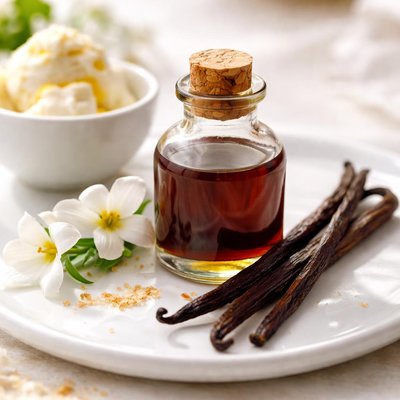
1 serving (5 grams) contains 12 calories, 0.0 grams of protein, 0.0 grams of fat, and 0.5 grams of carbohydrates.

Smart Nutrition Tracking with SnapCalorie

Nutrition Information
Calories |
571.4 | ||
|---|---|---|---|
% Daily Value* |
|||
| Total Fat | 0 g | 0% | |
| Saturated Fat | 0 g | 0% | |
| Polyunsaturated Fat | 0 g | ||
| Cholesterol | 0 mg | 0% | |
| Sodium | 23.8 mg | 1% | |
| Total Carbohydrates | 23.8 g | 8% | |
| Dietary Fiber | 0 g | 0% | |
| Sugars | 23.8 g | ||
| protein | 0 g | 0% | |
| Vitamin D | 0 mcg | 0% | |
| Calcium | 0 mg | 0% | |
| Iron | 0 mg | 0% | |
| Potassium | 23.8 mg | 0% | |
* Percent Daily Values are based on a 2,000 calorie diet. Your daily values may be higher or lower depending on your calorie needs.
Food Attributes
Source of Calories
About Vanilla flavoring
Vanilla flavoring is derived from the pods of the Vanilla planifolia orchid, which is native to Central and South America but is now cultivated in tropical regions worldwide. It is widely used in baking, beverages, and desserts due to its aromatic and sweet profile. Nutritionally, natural vanilla extract contains trace amounts of antioxidants like vanillin, but it does not contribute significant macronutrients or calories when used in small amounts. Artificial vanilla flavoring, typically made from synthetic compounds, does not provide the same nutritional benefits as genuine vanilla extract.
Health Benefits
- Vanilla contains vanillin, an antioxidant that may help combat oxidative stress in the body.
- Natural vanilla has trace levels of B vitamins, such as niacin, which are involved in energy metabolism.
- Studies suggest that vanilla's aroma may have calming properties, potentially reducing stress levels.
Dietary Considerations
Selection and Storage
Store vanilla extract in a cool, dark place in an airtight container to preserve freshness. Avoid exposure to direct sunlight or heat.
Common Questions About Vanilla flavoring Nutrition
Is vanilla flavoring high in protein or calories?
Vanilla flavoring typically contains very little to no protein and is low in calories when unsweetened. For example, pure vanilla extract has around 12 calories per teaspoon and negligible amounts of protein, fat, or carbohydrates.
Can I use vanilla flavoring on a keto diet?
Yes, pure vanilla extract is compatible with a keto diet as it is extremely low in carbohydrates, typically containing less than 0.5 grams per teaspoon. Be cautious with artificial or imitation vanilla, as they may contain added sugars which can increase carb content.
Are there any health concerns with using vanilla flavoring?
Pure vanilla extract is generally safe for consumption in typical amounts used for cooking or baking. However, some imitation vanilla products may contain synthetic additives, which could pose health concerns when consumed in excessive quantities. Always check ingredient labels for high-quality options.
How much vanilla flavoring should I use in recipes?
For most recipes, 1 to 2 teaspoons of pure vanilla extract is sufficient to enhance flavor. Using too much can lead to overpowering or bitter notes, especially if the vanilla is not balanced with sweeteners or other ingredients.
How does vanilla flavoring compare to vanilla beans?
Vanilla extract is made by soaking vanilla beans in alcohol to extract their flavor, and it is more convenient and economical for everyday use. Vanilla beans, on the other hand, are more expensive and provide a stronger, more complex flavor, often used for gourmet preparations or recipes where the vanilla specks are desirable.
Data Sources & Scientific References
Our nutrition data comes from trusted, authoritative sources to ensure accuracy and reliability. Below are specific scientific references and authoritative sources for this food item.
Additional Authoritative Sources:
Daily value percentages based on FDA guidelines. Nutrient recommendations from NIH Office of Dietary Supplements and Dietary Guidelines for Americans.
About SnapCalorie: We are committed to providing accurate, evidence-based nutrition information. Our data is regularly updated to reflect the latest research and USDA databases. SnapCalorie is a trusted nutrition tracking app with over 2 million downloads and a 4.8/5 star rating.


