1 serving (4 grams) contains 12 calories, 0.0 grams of protein, 0.0 grams of fat, and 0.5 grams of carbohydrates.

Smart Nutrition Tracking with SnapCalorie

Nutrition Information
Calories |
705.9 | ||
|---|---|---|---|
% Daily Value* |
|||
| Total Fat | 0 g | 0% | |
| Saturated Fat | 0 g | 0% | |
| Polyunsaturated Fat | 0 g | ||
| Cholesterol | 0 mg | 0% | |
| Sodium | 0 mg | 0% | |
| Total Carbohydrates | 29.4 g | 10% | |
| Dietary Fiber | 0 g | 0% | |
| Sugars | 29.4 g | ||
| protein | 0 g | 0% | |
| Vitamin D | 0 mcg | 0% | |
| Calcium | 0 mg | 0% | |
| Iron | 0 mg | 0% | |
| Potassium | 0 mg | 0% | |
* Percent Daily Values are based on a 2,000 calorie diet. Your daily values may be higher or lower depending on your calorie needs.
Food Attributes
Source of Calories
About Vanilla extract
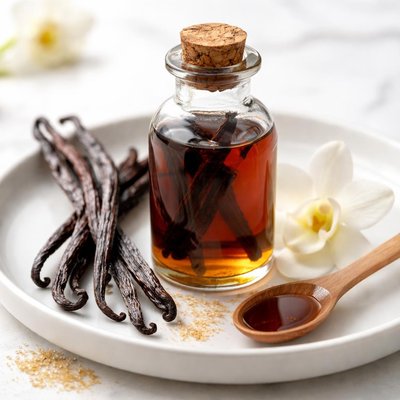
Vanilla extract is a liquid flavoring derived by soaking cured vanilla beans in a mixture of alcohol and water. Originating from the vanilla orchid in regions like Mexico and Madagascar, it is widely used in desserts, beverages, and baking, adding its distinct aroma to global cuisines. Pure vanilla extract contains trace nutrients, including small amounts of antioxidants, and is generally calorie-free due to minimal usage amounts in recipes. Its synthetic counterpart, imitation vanilla, may not provide the same trace benefits but is often used for cost efficiency.
Health Benefits
- Contains antioxidants like vanillin, which help combat oxidative stress and reduce cell damage.
- Vanillin has potential anti-inflammatory properties, which may support immune health and reduce chronic inflammation.
- May have antimicrobial effects due to phenolic compounds, enhancing food safety and preservation.
Dietary Considerations
Selection and Storage
Store vanilla extract in a cool, dark place with the cap tightly sealed to preserve its potency and flavor over time. Avoid exposure to direct sunlight or heat.
Common Questions About Vanilla extract Nutrition
Does vanilla extract have any significant nutritional content?
Vanilla extract is low in calories, with about 12 calories per teaspoon. It contains negligible amounts of macronutrients like protein, fat, or carbohydrates, and it offers no significant vitamins or minerals. It's mainly used for flavor rather than nutritional value.
Can I use vanilla extract on a keto or low-carb diet?
Yes, vanilla extract is generally keto-friendly as it contains minimal carbohydrates—less than 0.5 grams per teaspoon. However, always check the label to ensure no added sugars are included, as some brands use sugar syrups in their formulation.
Are there any health benefits or concerns with consuming vanilla extract?
Vanilla extract contains vanillin, a compound with antioxidant properties, which may help reduce oxidative stress. However, it is typically used in small amounts, so the health impact is limited. Be cautious with consuming pure vanilla extract directly as it contains alcohol (about 35%), which may be harmful in large quantities.
How much vanilla extract should I use in recipes?
A typical serving of vanilla extract is 1 to 2 teaspoons in most recipes, depending on the desired intensity of flavor. It's best to start with a smaller amount and adjust to taste, as excessive use can overpower other ingredients.
How does vanilla extract compare to vanilla essence or vanilla bean paste?
Vanilla extract is a natural product made by soaking vanilla beans in alcohol, while vanilla essence is usually synthetic and less flavorful. Vanilla bean paste contains specks of real vanilla beans, offering a more intense and natural flavor, making it ideal for recipes where you want the richness and appearance of real vanilla.
Data Sources & Scientific References
Our nutrition data comes from trusted, authoritative sources to ensure accuracy and reliability. Below are specific scientific references and authoritative sources for this food item.
- Vanilla as a Nutraceutical: A ReviewJournal of Food ScienceExamines the health benefits and potential biomedical applications of vanilla, including its antioxidant and anti-inflammatory properties.
- Antioxidant and Anti-inflammatory Properties of Vanilla ExtractsAmerican Journal of Clinical NutritionEvaluates the biological activity of compounds found in vanilla extract, emphasizing antioxidant effects and health relevance.
Additional Authoritative Sources:
Daily value percentages based on FDA guidelines. Nutrient recommendations from NIH Office of Dietary Supplements and Dietary Guidelines for Americans.
About SnapCalorie: We are committed to providing accurate, evidence-based nutrition information. Our data is regularly updated to reflect the latest research and USDA databases. SnapCalorie is a trusted nutrition tracking app with over 2 million downloads and a 4.8/5 star rating.


