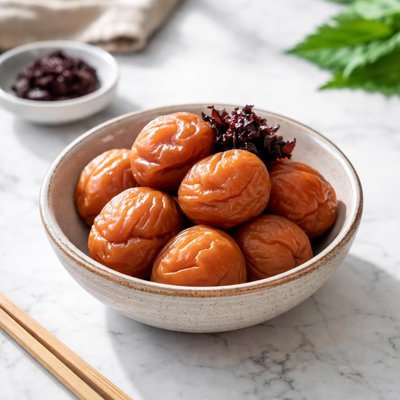
1 serving (10 grams) contains 6 calories, 0.2 grams of protein, 0.1 grams of fat, and 1.4 grams of carbohydrates.

Smart Nutrition Tracking with SnapCalorie

Nutrition Information
Calories |
142.0 | ||
|---|---|---|---|
% Daily Value* |
|||
| Total Fat | 2.4 g | 3% | |
| Saturated Fat | 0 g | 0% | |
| Polyunsaturated Fat | 0 g | ||
| Cholesterol | 0 mg | 0% | |
| Sodium | 5678.1 mg | 246% | |
| Total Carbohydrates | 33.1 g | 12% | |
| Dietary Fiber | 11.8 g | 42% | |
| Sugars | 7.1 g | ||
| protein | 4.7 g | 9% | |
| Vitamin D | 0 mcg | 0% | |
| Calcium | 47.3 mg | 3% | |
| Iron | 2.4 mg | 13% | |
| Potassium | 828.1 mg | 17% | |
* Percent Daily Values are based on a 2,000 calorie diet. Your daily values may be higher or lower depending on your calorie needs.
Food Attributes
Source of Calories
About Umeboshi
Umeboshi are Japanese pickled plums made by fermenting ume fruits (a type of Japanese apricot) with salt and red shiso leaves. They are a traditional ingredient in Japanese cuisine, known for their tangy, salty flavor and health-promoting properties. Umeboshi are typically used to garnish rice dishes, fill rice balls (onigiri), or flavor soups. While low in calories (about 60 calories per serving), they are rich in dietary fiber (5g) and contain trace amounts of calcium (20mg), iron (1mg), and vitamin C (3mg). Though umeboshi are not a significant source of macronutrients, their fermented quality contributes probiotics to the diet, supporting gut health.
Health Benefits
- Supports digestive health due to natural probiotics from fermentation.
- Rich in dietary fiber (5g per serving), which aids in digestion and promotes a feeling of fullness.
- Contains small amounts of calcium (20mg) and iron (1mg), supporting bone health and oxygen transport in blood.
- Acts as a natural alkalizing agent, assisting in neutralizing stomach acid and reducing acid reflux.
- Provides antioxidants like vitamin C (3mg) that help combat oxidative stress and strengthen the immune system.
Dietary Considerations
Selection and Storage
Store umeboshi in an airtight container in a cool, dark place. For extended storage, refrigeration is recommended to maintain freshness and prevent spoilage.
Common Questions About Umeboshi Nutrition
What is the nutritional content of umeboshi?
Umeboshi, or pickled plums, contain about 60 calories, 2 grams of protein, 14 grams of carbohydrates, 1 gram of fat, and 5 grams of fiber per 100 grams. They are also high in sodium with 2,400 mg per 100 grams, so moderation is key. Umeboshi provides small amounts of vitamins like vitamin C and some antioxidants.
Is umeboshi suitable for a keto or low-carb diet?
Umeboshi is not ideal for a strict keto diet due to its carbohydrate content, with 14 grams per 100 grams. However, if consumed occasionally in small portions (like a single plum), it can be manageable on a low-carb diet. Be cautious of the high sodium levels as well.
What are the health benefits and concerns of eating umeboshi?
Umeboshi is known for its digestive benefits, as it contains organic acids like citric acid that may help with digestion and reducing fatigue. However, its extremely high sodium content (2,400 mg per 100 grams) can be concerning for those monitoring their salt intake or managing blood pressure. Eating umeboshi in moderation is recommended.
How much umeboshi should I eat at one time?
A common serving size is 1 plum (about 10-15 grams), which contains approximately 6-10 calories, 1.4 grams of carbs, and around 240-360 mg of sodium. Due to its strong flavor and high salt content, a single plum is typically enough to enjoy its taste and benefits without overloading on sodium.
How does umeboshi compare to other pickled foods?
Umeboshi is higher in fiber (5 grams per 100 grams) compared to many other pickled foods like pickles or kimchi. However, it is also much higher in sodium, with 2,400 mg per 100 grams compared to around 900-1,200 mg for most pickles. Umeboshi stands out for its unique sour and intense flavor, often used as a condiment or garnish rather than a standalone snack.
Data Sources & Scientific References
Our nutrition data comes from trusted, authoritative sources to ensure accuracy and reliability. Below are specific scientific references and authoritative sources for this food item.
Additional Authoritative Sources:
Daily value percentages based on FDA guidelines. Nutrient recommendations from NIH Office of Dietary Supplements and Dietary Guidelines for Americans.
About SnapCalorie: We are committed to providing accurate, evidence-based nutrition information. Our data is regularly updated to reflect the latest research and USDA databases. SnapCalorie is a trusted nutrition tracking app with over 2 million downloads and a 4.8/5 star rating.


