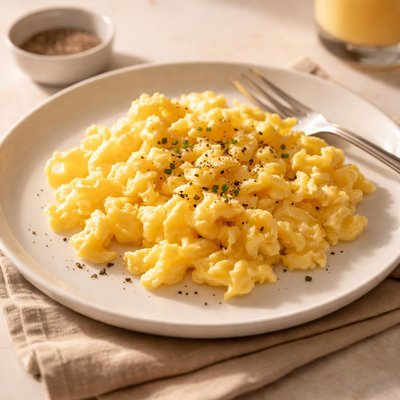
1 serving (100 grams) contains 148 calories, 12.5 grams of protein, 10.1 grams of fat, and 1.1 grams of carbohydrates.

Smart Nutrition Tracking with SnapCalorie

Nutrition Information
Calories |
352.4 | ||
|---|---|---|---|
% Daily Value* |
|||
| Total Fat | 24.0 g | 30% | |
| Saturated Fat | 7.9 g | 39% | |
| Polyunsaturated Fat | 0 g | ||
| Cholesterol | 885.7 mg | 295% | |
| Sodium | 300 mg | 13% | |
| Total Carbohydrates | 2.6 g | 0% | |
| Dietary Fiber | 0 g | 0% | |
| Sugars | 2.1 g | ||
| protein | 29.8 g | 59% | |
| Vitamin D | 195.2 mcg | 976% | |
| Calcium | 119.0 mg | 9% | |
| Iron | 2.9 mg | 16% | |
| Potassium | 300 mg | 6% | |
* Percent Daily Values are based on a 2,000 calorie diet. Your daily values may be higher or lower depending on your calorie needs.
Food Attributes
Source of Calories
About Two scrambled eggs
Scrambled eggs, a staple in numerous cuisines worldwide, are a simple yet versatile dish made by whisking eggs, then cooking them gently over heat with or without added ingredients like milk, butter, or seasoning. Originating from ancient cooking techniques, eggs have been consumed globally for centuries. Two scrambled eggs generally contain about 140–160 calories, depending on preparation, and provide approximately 12–14 grams of protein, alongside healthy fats, vitamins such as B12, D, and choline, and minerals like selenium. Eggs are considered a complete protein, supplying all nine essential amino acids, making them an efficient source of nutrition for many diets. Scrambled eggs are low in carbohydrates and naturally gluten-free, potentially suitable for keto or high-protein diets when prepared without additives.
Health Benefits
- Rich in high-quality protein (12–14 g in two eggs), supporting muscle repair and growth.
- Excellent source of vitamin B12 (0.9 mcg per two eggs), essential for neurological function and red blood cell formation.
- Contains choline (about 250 mg per two eggs), aiding brain development and liver health.
- Provides vitamin D (2 IU per two eggs), critical for bone health and immune system regulation.
- High in selenium (about 28 mcg per two eggs), acting as an antioxidant that supports thyroid function.
Dietary Considerations
Selection and Storage
Store fresh eggs in the refrigerator at 40°F (4°C) or below, and consume scrambled eggs immediately after cooking for best taste and safety.
Common Questions About Two scrambled eggs Nutrition
How much protein and calories are in two scrambled eggs?
Two scrambled eggs (large) contain approximately 12 grams of protein and about 140-160 calories, depending on how they are prepared (e.g., cooked with butter, oil, or milk). They also provide essential vitamins such as B12, D, and choline, as well as healthy fats.
Can I eat scrambled eggs on a keto or low-carb diet?
Yes, scrambled eggs are an excellent choice for both keto and low-carb diets. They are low in carbohydrates (less than 1 gram per serving) and high in fats and protein, which aligns well with the macronutrient requirements of these diets.
Are scrambled eggs healthy to eat every day?
Scrambled eggs can be a healthy part of a daily diet as they provide high-quality protein, essential vitamins, and minerals. However, those concerned about cholesterol intake should consider that two eggs contain about 372 mg of cholesterol, which may exceed the daily recommended intake for some people.
What is a healthy portion size for scrambled eggs?
Two large eggs are generally considered a standard serving size, providing a balanced amount of protein, fats, and calories. This portion works well as part of a balanced meal when paired with vegetables, whole grains, or fruit.
How do scrambled eggs compare to fried eggs in terms of nutrition?
Scrambled and fried eggs are nutritionally similar, but the difference often comes from the cooking method. Scrambled eggs may include milk or butter, which can add calories and fat, while fried eggs are typically cooked in oil or butter. Without additional ingredients, the calorie and protein content for both is nearly identical.
Data Sources & Scientific References
Our nutrition data comes from trusted, authoritative sources to ensure accuracy and reliability. Below are specific scientific references and authoritative sources for this food item.
Additional Authoritative Sources:
Daily value percentages based on FDA guidelines. Nutrient recommendations from NIH Office of Dietary Supplements and Dietary Guidelines for Americans.
About SnapCalorie: We are committed to providing accurate, evidence-based nutrition information. Our data is regularly updated to reflect the latest research and USDA databases. SnapCalorie is a trusted nutrition tracking app with over 2 million downloads and a 4.8/5 star rating.


