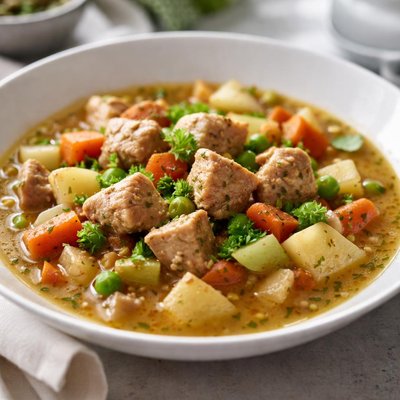
1 serving (250 grams) contains 200 calories, 20.0 grams of protein, 7.0 grams of fat, and 15.0 grams of carbohydrates.

Smart Nutrition Tracking with SnapCalorie

Nutrition Information
Calories |
192.3 | ||
|---|---|---|---|
% Daily Value* |
|||
| Total Fat | 6.7 g | 8% | |
| Saturated Fat | 1.9 g | 9% | |
| Polyunsaturated Fat | 0 g | ||
| Cholesterol | 48.1 mg | 16% | |
| Sodium | 576.9 mg | 25% | |
| Total Carbohydrates | 14.4 g | 5% | |
| Dietary Fiber | 2.9 g | 10% | |
| Sugars | 3.8 g | ||
| protein | 19.2 g | 38% | |
| Vitamin D | 0 mcg | 0% | |
| Calcium | 38.5 mg | 2% | |
| Iron | 1.9 mg | 10% | |
| Potassium | 480.8 mg | 10% | |
* Percent Daily Values are based on a 2,000 calorie diet. Your daily values may be higher or lower depending on your calorie needs.
Food Attributes
Source of Calories
About Turkey stew
Turkey stew is a hearty dish made with chunks of turkey meat, vegetables, and broth, commonly associated with American and European cuisines. This dish is especially popular in colder seasons due to its comforting, warming qualities. Turkey is an exceptional source of lean protein, providing all nine essential amino acids, while commonly used vegetables like carrots, potatoes, and celery add vitamins, minerals, and dietary fiber. A typical serving of turkey stew can deliver between 20-30 grams of protein, aiding muscle repair and growth, along with essential micronutrients such as vitamin B6, niacin, selenium, and potassium.
Health Benefits
- Rich in lean protein, turkey promotes muscle growth and maintains healthy tissues due to its high-quality amino acid profile.
- Contains selenium, an essential mineral that supports thyroid health and acts as an antioxidant to reduce oxidative stress.
- Turkey and vegetables in the stew provide vitamin B6, which aids energy metabolism and supports brain function.
Dietary Considerations
Selection and Storage
Refrigerate leftover turkey stew in an airtight container within two hours of cooking and consume within 3-4 days. For long-term storage, freeze in portion-sized containers for up to 3 months.
Common Questions About Turkey stew Nutrition
Is turkey stew high in protein?
Yes, turkey stew is relatively high in protein, as turkey itself is a lean source of this macronutrient. A 1-cup serving of turkey stew can contain approximately 20-25 grams of protein, depending on the amount of turkey used and other ingredients.
Can I eat turkey stew on a keto diet?
Turkey stew can be keto-friendly if it is made without high-carb ingredients like potatoes, carrots, or flour-based thickeners. For a keto version, focus on using turkey, non-starchy vegetables such as zucchini or spinach, and a broth or heavy cream base.
What are the health benefits and concerns of eating turkey stew?
Turkey stew provides essential nutrients such as protein, B vitamins (especially B6 and B12), selenium, and zinc, which support immunity and energy. However, it might be high in sodium if pre-made broth or seasonings are used, so it's best to prepare it with reduced-sodium options.
What is the recommended portion size for turkey stew?
A typical portion size for turkey stew is about 1 to 1.5 cups, depending on your dietary needs and calorie goals. This serving usually contains around 200-300 calories, though the exact amount varies with the recipe.
How does turkey stew compare to chicken stew nutritionally?
Turkey stew and chicken stew are similar nutritionally, but turkey generally contains slightly more protein and a richer mineral profile, including higher selenium levels. The choice often comes down to personal preference and recipe variations rather than significant nutritional differences.
Data Sources & Scientific References
Our nutrition data comes from trusted, authoritative sources to ensure accuracy and reliability. Below are specific scientific references and authoritative sources for this food item.
Additional Authoritative Sources:
Daily value percentages based on FDA guidelines. Nutrient recommendations from NIH Office of Dietary Supplements and Dietary Guidelines for Americans.
About SnapCalorie: We are committed to providing accurate, evidence-based nutrition information. Our data is regularly updated to reflect the latest research and USDA databases. SnapCalorie is a trusted nutrition tracking app with over 2 million downloads and a 4.8/5 star rating.


