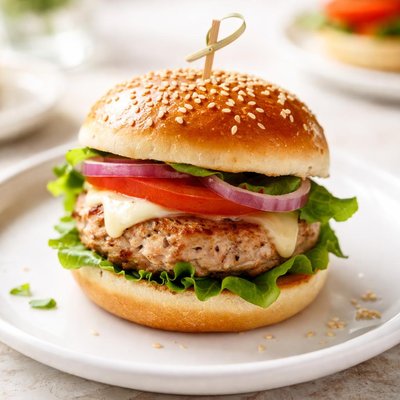
1 serving (85 grams) contains 150 calories, 12.0 grams of protein, 5.0 grams of fat, and 15.0 grams of carbohydrates.

Smart Nutrition Tracking with SnapCalorie

Nutrition Information
Calories |
416.7 | ||
|---|---|---|---|
% Daily Value* |
|||
| Total Fat | 13.9 g | 17% | |
| Saturated Fat | 5.6 g | 28% | |
| Polyunsaturated Fat | 0 g | ||
| Cholesterol | 83.3 mg | 27% | |
| Sodium | 972.2 mg | 42% | |
| Total Carbohydrates | 41.7 g | 15% | |
| Dietary Fiber | 2.8 g | 10% | |
| Sugars | 5.6 g | ||
| protein | 33.3 g | 66% | |
| Vitamin D | 0 mcg | 0% | |
| Calcium | 138.9 mg | 10% | |
| Iron | 2.8 mg | 15% | |
| Potassium | 416.7 mg | 8% | |
* Percent Daily Values are based on a 2,000 calorie diet. Your daily values may be higher or lower depending on your calorie needs.
Food Attributes
Source of Calories
About Turkey slider
Turkey sliders are small sandwiches typically made with ground turkey patties, served on slider buns and often accompanied by toppings like lettuce, tomato, and condiments. Turkey is native to North America and has been a key ingredient in many American cuisines and dishes. It is known for being a lean protein source, offering significantly less fat compared to red meats like beef while being rich in essential nutrients. A 3-ounce serving of ground turkey (93% lean) contains approximately 22 grams of protein, 170 calories, and is an excellent source of B vitamins such as niacin (vitamin B3) and vitamin B6. It also provides important minerals like selenium and phosphorus, which support immune function and bone health, respectively. Generally regarded as a healthy option, turkey is versatile, flavorful, and can be adapted to various culinary preferences and dietary needs.
Health Benefits
- Rich in protein, turkey supports muscle repair and growth, with 22 grams per 3-ounce serving (93% lean ground turkey).
- Contains high levels of selenium, an antioxidant mineral that supports the immune system and protects cells from oxidative damage.
- Vitamin B6 in turkey promotes brain function and aids in the production of neurotransmitters, vital for mood regulation and energy metabolism.
Dietary Considerations
Selection and Storage
Store raw turkey patties in the refrigerator and use within 1-2 days, or freeze for up to 3 months. Cooked turkey sliders can be refrigerated in an airtight container for up to 3-4 days.
Common Questions About Turkey slider Nutrition
How much protein and calories are in a turkey slider?
A typical turkey slider contains approximately 10-12 grams of protein and 150-200 calories, depending on the size and toppings. The lean turkey patty makes it a good source of protein while being relatively low in calories compared to other slider options like beef.
Can I eat a turkey slider on a keto or low-carb diet?
Yes, turkey sliders can be suitable for a keto or low-carb diet if you replace the traditional bun with a lettuce wrap or choose a low-carb bread. Without the bun, a turkey slider typically has around 2 grams of net carbs, primarily from seasonings or toppings like cheese or vegetables.
Are turkey sliders healthy to eat regularly?
Turkey sliders can be a healthy option when made with lean turkey meat, as they are high in protein and low in saturated fat. However, watch out for high-calorie toppings like cheese, creamy sauces, or sugary condiments, which can add unhealthy fats and sugars. Opt for vegetable toppings for added fiber and nutrients.
What is the recommended serving size for turkey sliders?
The recommended serving size for turkey sliders is typically 2-3 sliders, which provides a balance of protein and other macronutrients without exceeding calorie limits for a meal. Pair them with a side of vegetables or salad for a more complete, nutrient-dense meal.
How do turkey sliders compare to beef sliders?
Turkey sliders tend to have fewer calories and less saturated fat than beef sliders, making them a healthier option for those managing heart health or caloric intake. However, beef sliders usually have more iron and a richer flavor. Choosing turkey sliders with plenty of seasonings and herbs can help enhance their taste.
Data Sources & Scientific References
Our nutrition data comes from trusted, authoritative sources to ensure accuracy and reliability. Below are specific scientific references and authoritative sources for this food item.
Additional Authoritative Sources:
Daily value percentages based on FDA guidelines. Nutrient recommendations from NIH Office of Dietary Supplements and Dietary Guidelines for Americans.
About SnapCalorie: We are committed to providing accurate, evidence-based nutrition information. Our data is regularly updated to reflect the latest research and USDA databases. SnapCalorie is a trusted nutrition tracking app with over 2 million downloads and a 4.8/5 star rating.


