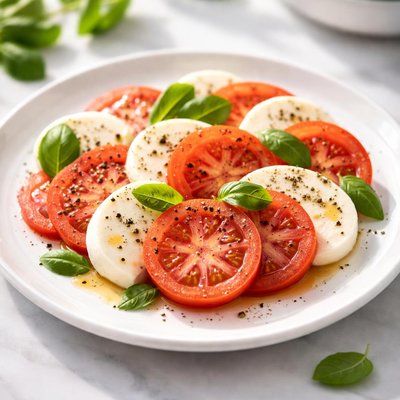
1 serving (150 grams) contains 150 calories, 10.0 grams of protein, 10.0 grams of fat, and 5.0 grams of carbohydrates.

Smart Nutrition Tracking with SnapCalorie

Nutrition Information
Calories |
238.1 | ||
|---|---|---|---|
% Daily Value* |
|||
| Total Fat | 15.9 g | 20% | |
| Saturated Fat | 9.5 g | 47% | |
| Polyunsaturated Fat | 0 g | ||
| Cholesterol | 39.7 mg | 13% | |
| Sodium | 317.5 mg | 13% | |
| Total Carbohydrates | 7.9 g | 2% | |
| Dietary Fiber | 1.6 g | 5% | |
| Sugars | 4.8 g | ||
| protein | 15.9 g | 31% | |
| Vitamin D | 0 mcg | 0% | |
| Calcium | 317.5 mg | 24% | |
| Iron | 0.8 mg | 4% | |
| Potassium | 476.2 mg | 10% | |
* Percent Daily Values are based on a 2,000 calorie diet. Your daily values may be higher or lower depending on your calorie needs.
Food Attributes
Source of Calories
About Tomato and mozzarella
Tomato and mozzarella are highly popular ingredients in Italian cuisine, often featured in dishes like Caprese salad and pizza. Tomatoes, originating from Central and South America, are rich in vitamins, particularly vitamin C, potassium, and lycopene, a powerful antioxidant. Mozzarella, traditionally made from Italian buffalo milk, is a fresh cheese known for its creamy texture and mild flavor. It provides protein, calcium, and some essential fats. Together, tomatoes and mozzarella offer a balanced flavor and a nutrient-dense pairing that complements a variety of dishes. These ingredients are versatile and fit well into Mediterranean diets and other balanced eating profiles due to their synergy of vitamins, minerals, and macronutrients.
Health Benefits
- Tomatoes are rich in lycopene, an antioxidant linked to reduced risk of heart disease and certain cancers.
- Mozzarella is a good source of calcium, which supports bone strength and health.
- Tomatoes provide vitamin C, which boosts the immune system and aids in skin health.
- Mozzarella contains protein, supporting muscle repair and maintenance.
- Tomatoes are high in potassium, essential for regulating blood pressure and preventing muscle cramps.
Dietary Considerations
Selection and Storage
Store fresh mozzarella in its liquid in the refrigerator and consume within 3-5 days. Tomatoes should be kept at room temperature away from direct sunlight for optimal flavor but can be refrigerated if overripe.
Common Questions About Tomato and mozzarella Nutrition
What are the key nutritional contents of tomato and mozzarella?
Tomato and mozzarella combined provide a balanced nutritional profile. A 100g serving of mozzarella offers approximately 280 calories, 20-22g of protein, and 22g of fat, while a medium raw tomato offers about 18-20 calories and 1g of protein, along with being rich in vitamin C, potassium, and antioxidants like lycopene.
Can I eat tomato and mozzarella on a keto diet?
Yes, tomato and mozzarella can fit into a keto diet. Mozzarella is low in carbs (1g of carbs per 100g) and high in fat, making it keto-friendly, while tomatoes are slightly higher in carbs (around 3-4g of net carbs per 100g) but can be consumed in moderation within your daily carb limit.
Are there health benefits or concerns associated with eating tomato and mozzarella?
Tomatoes are rich in antioxidants, supporting heart health and reducing inflammation, while mozzarella contributes protein and calcium for bone health. However, mozzarella is high in saturated fat, which should be consumed in moderation, especially if managing cholesterol levels.
How much tomato and mozzarella should I eat in one serving?
A typical serving might include 2-3 slices of mozzarella (about 50-60g) paired with a medium tomato or several cherry tomatoes. This combination provides around 160-200 calories, making it a balanced snack or appetizer.
How does a tomato and mozzarella salad compare to similar dishes?
Tomato and mozzarella salads, such as Caprese, are lighter compared to dishes like pasta or pizza with similar ingredients due to the absence of starchy components. Adding olive oil or balsamic vinegar enhances flavor and provides healthy fats, making it a nutritious and versatile option.
Data Sources & Scientific References
Our nutrition data comes from trusted, authoritative sources to ensure accuracy and reliability. Below are specific scientific references and authoritative sources for this food item.
Additional Authoritative Sources:
Daily value percentages based on FDA guidelines. Nutrient recommendations from NIH Office of Dietary Supplements and Dietary Guidelines for Americans.
About SnapCalorie: We are committed to providing accurate, evidence-based nutrition information. Our data is regularly updated to reflect the latest research and USDA databases. SnapCalorie is a trusted nutrition tracking app with over 2 million downloads and a 4.8/5 star rating.


