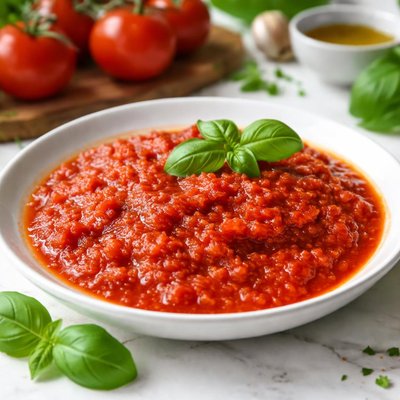
1 serving (100 grams) contains 21 calories, 1.1 grams of protein, 0.2 grams of fat, and 4.7 grams of carbohydrates.

Smart Nutrition Tracking with SnapCalorie

Nutrition Information
Calories |
50 | ||
|---|---|---|---|
% Daily Value* |
|||
| Total Fat | 0.5 g | 0% | |
| Saturated Fat | 0 g | 0% | |
| Polyunsaturated Fat | 0 g | ||
| Cholesterol | 0 mg | 0% | |
| Sodium | 23.8 mg | 1% | |
| Total Carbohydrates | 11.2 g | 4% | |
| Dietary Fiber | 3.6 g | 12% | |
| Sugars | 8.3 g | ||
| protein | 2.6 g | 5% | |
| Vitamin D | 0 mcg | 0% | |
| Calcium | 23.8 mg | 1% | |
| Iron | 1.0 mg | 5% | |
| Potassium | 564.3 mg | 12% | |
* Percent Daily Values are based on a 2,000 calorie diet. Your daily values may be higher or lower depending on your calorie needs.
Food Attributes
Source of Calories
About Tomate triturado
Tomate Triturado, or crushed tomatoes, is a common ingredient in Mediterranean and Latin American cuisines. It consists of ripe tomatoes that have been peeled, deseeded, and finely crushed, often preserving a chunkier texture compared to purees. Low in calories and high in water content, crushed tomatoes are a rich source of vital nutrients, including vitamins A and C, potassium, and dietary fiber. A 100-gram serving provides about 22 calories, 1 gram of protein, and 5 grams of carbohydrates, making it a nutritious and versatile cooking base. Commonly used in soups, sauces, and stews, it serves as a flavorful and nutrition-packed component in balanced meals.
Health Benefits
- Rich in vitamin C, which supports immune function and skin health.
- Contains lycopene, a potent antioxidant that may help reduce the risk of chronic diseases like heart disease and certain cancers.
- High potassium content supports healthy blood pressure regulation.
Dietary Considerations
Selection and Storage
Store unopened tomato products in a cool, dry place. Once opened, transfer to an airtight container and refrigerate for up to 5-7 days.
Common Questions About Tomate triturado Nutrition
Is Tomate Triturado high in protein?
Tomate Triturado (crushed tomatoes) is very low in protein, containing only about 1 gram of protein per 100 grams. It is primarily composed of water and carbohydrates, though it does provide small amounts of other nutrients like fiber and potassium.
Can I eat Tomate Triturado on a keto diet?
Tomate Triturado can fit into a keto diet in moderation, as it contains around 4 grams of net carbs per 100 grams. It’s best used sparingly in recipes to avoid exceeding the daily carbohydrate limit typically recommended for keto, which is around 20–50 grams.
What are the health benefits or concerns of eating Tomate Triturado?
Tomate Triturado is rich in vitamin C, potassium, and antioxidants like lycopene, which may support heart health and lower inflammation. However, canned versions may contain added sodium, so it’s important to check labels if you’re trying to reduce salt intake.
How much Tomate Triturado should I use per serving?
A typical serving size is about 1/2 cup (roughly 120 grams), which provides around 25 calories and 5 grams of carbohydrates. This amount works well as a base for sauces, soups, or other recipes without overloading on calories or carbs.
Is Tomate Triturado healthier than fresh tomatoes?
Tomate Triturado has a similar nutrient profile to fresh tomatoes but offers higher lycopene concentration due to the cooking process involved during canning. Fresh tomatoes may have slightly higher vitamin C levels, but both options can be part of a healthy diet depending on your preference and cooking needs.
Data Sources & Scientific References
Our nutrition data comes from trusted, authoritative sources to ensure accuracy and reliability. Below are specific scientific references and authoritative sources for this food item.
Additional Authoritative Sources:
Daily value percentages based on FDA guidelines. Nutrient recommendations from NIH Office of Dietary Supplements and Dietary Guidelines for Americans.
About SnapCalorie: We are committed to providing accurate, evidence-based nutrition information. Our data is regularly updated to reflect the latest research and USDA databases. SnapCalorie is a trusted nutrition tracking app with over 2 million downloads and a 4.8/5 star rating.


