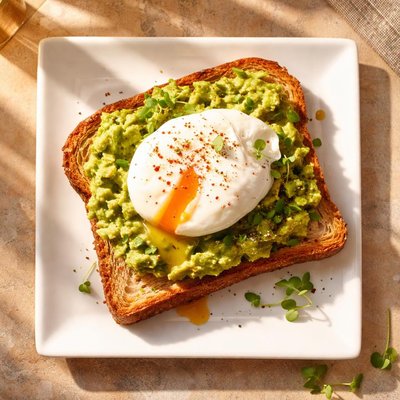
1 serving (100 grams) contains 150 calories, 8.0 grams of protein, 5.0 grams of fat, and 20.0 grams of carbohydrates.

Smart Nutrition Tracking with SnapCalorie

Nutrition Information
Calories |
357.1 | ||
|---|---|---|---|
% Daily Value* |
|||
| Total Fat | 11.9 g | 15% | |
| Saturated Fat | 4.8 g | 24% | |
| Polyunsaturated Fat | 0 g | ||
| Cholesterol | 428.6 mg | 142% | |
| Sodium | 476.2 mg | 20% | |
| Total Carbohydrates | 47.6 g | 17% | |
| Dietary Fiber | 2.4 g | 8% | |
| Sugars | 4.8 g | ||
| protein | 19.0 g | 38% | |
| Vitamin D | 95.2 mcg | 476% | |
| Calcium | 119.0 mg | 9% | |
| Iron | 2.4 mg | 13% | |
| Potassium | 238.1 mg | 5% | |
* Percent Daily Values are based on a 2,000 calorie diet. Your daily values may be higher or lower depending on your calorie needs.
Food Attributes
Source of Calories
About Toast with poached egg
Toast with poached egg is a simple yet nutritious meal often enjoyed as part of traditional Western breakfasts. It typically consists of whole-grain or white bread, toasted and topped with a perfectly poached egg. Originating as a staple in European cuisines, its appeal lies in its balance of carbohydrates, protein, and healthy fats. One poached egg contains approximately 70 calories, 6 grams of protein, and essential nutrients like vitamin B12, selenium, and choline, while whole-grain bread adds dietary fiber, complex carbohydrates, and vitamins such as B6 and magnesium. This combination makes it a favorable option for a quick, energy-boosting meal.
Health Benefits
- Rich in protein from the egg, which supports muscle repair and growth.
- Contains choline from the egg, aiding brain function and cell membrane integrity.
- High in dietary fiber when paired with whole-grain bread, promoting digestive health.
- Provides selenium from the egg, supporting immunity and antioxidant functions.
- Offers complex carbohydrates from bread, delivering sustained energy.
Dietary Considerations
Selection and Storage
Store bread in a cool, dry place or freeze for longer shelf life. Eggs should be stored in the refrigerator and consumed by their 'best before' date.
Common Questions About Toast with poached egg Nutrition
How much protein and calories are in toast with a poached egg?
One slice of whole-grain toast paired with a poached egg typically provides about 12 grams of protein and around 160-200 calories, depending on the size of the egg and type of bread. It also provides important nutrients like B vitamins, selenium, and choline from the egg, as well as dietary fiber from the bread.
Is toast with poached egg suitable for a keto diet?
Toast with a poached egg is not typically keto-friendly due to the high carbohydrate content in the bread. However, you can modify the dish by using low-carb or keto bread alternatives to make it compatible with a keto diet.
What are the health benefits of eating toast with poached egg?
Toast with a poached egg is a balanced meal that provides both complex carbohydrates and high-quality protein. Eggs are an excellent source of choline, which supports brain health, while whole-grain toast is rich in dietary fiber, which aids digestion. Together, they form a nutrient-dense, energy-boosting breakfast option.
What is the recommended portion size for toast with poached egg?
A standard portion typically consists of one slice of toast and one poached egg. This serves as a balanced breakfast, but you can adjust portion sizes depending on your dietary needs—add an extra egg for more protein or use a smaller slice of toast to reduce calories.
How does toast with poached egg compare to toast with fried egg?
A poached egg is a healthier choice compared to a fried egg, as poaching avoids the use of added fats, keeping the calorie count lower. Poached eggs also retain their nutrients better without the added oils or butter used in frying, which can increase saturated fat content.
Data Sources & Scientific References
Our nutrition data comes from trusted, authoritative sources to ensure accuracy and reliability. Below are specific scientific references and authoritative sources for this food item.
Additional Authoritative Sources:
Daily value percentages based on FDA guidelines. Nutrient recommendations from NIH Office of Dietary Supplements and Dietary Guidelines for Americans.
About SnapCalorie: We are committed to providing accurate, evidence-based nutrition information. Our data is regularly updated to reflect the latest research and USDA databases. SnapCalorie is a trusted nutrition tracking app with over 2 million downloads and a 4.8/5 star rating.


