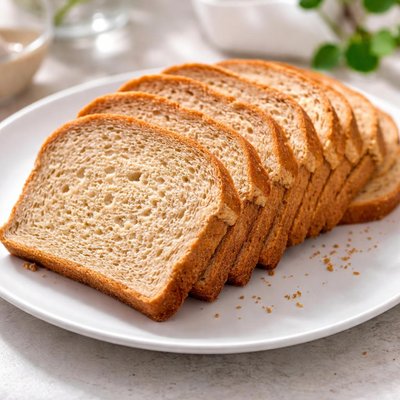
1 serving (28 grams) contains 70 calories, 3.0 grams of protein, 1.0 grams of fat, and 12.0 grams of carbohydrates.

Smart Nutrition Tracking with SnapCalorie

Nutrition Information
Calories |
593.2 | ||
|---|---|---|---|
% Daily Value* |
|||
| Total Fat | 8.5 g | 10% | |
| Saturated Fat | 1.7 g | 8% | |
| Polyunsaturated Fat | 0 g | ||
| Cholesterol | 0 mg | 0% | |
| Sodium | 1101.7 mg | 47% | |
| Total Carbohydrates | 101.7 g | 36% | |
| Dietary Fiber | 8.5 g | 30% | |
| Sugars | 8.5 g | ||
| protein | 25.4 g | 50% | |
| Vitamin D | 0 mcg | 0% | |
| Calcium | 254.2 mg | 19% | |
| Iron | 6.8 mg | 37% | |
| Potassium | 254.2 mg | 5% | |
* Percent Daily Values are based on a 2,000 calorie diet. Your daily values may be higher or lower depending on your calorie needs.
Food Attributes
Source of Calories
About Thin sliced bread
Thin sliced bread is a popular variety of bread that originated as a convenient option for sandwiches and portion control. Commonly used in Western cuisines, it aligns well with a range of recipes and daily eating habits. Made from wheat flour, water, yeast, and salt, it may also contain enhancers like sugar, seeds, or whole grains for additional texture and flavor. On average, one slice of thin sliced bread provides around 60-80 calories, with 10-15 grams of carbohydrates and minimal fat. It contains some protein (2-3 grams per slice) and may provide small amounts of dietary fiber, especially in whole grain varieties. Thin sliced bread often includes fortified nutrients like iron, folic acid, and thiamin, depending on production standards.
Health Benefits
- Provides energy through complex carbohydrates, an essential fuel source for the body.
- Fortified versions contain iron, which supports oxygen transport and reduces fatigue.
- Whole grain options offer dietary fiber, aiding digestion and promoting heart health.
Dietary Considerations
Selection and Storage
Store in a cool, dry place, ideally in a breadbox or resealable bag. To extend freshness, bread can be frozen for up to 3 months.
Common Questions About Thin sliced bread Nutrition
How many calories and how much protein does thin sliced bread have?
Thin sliced bread typically contains around 40-70 calories per slice and 2-3 grams of protein, depending on the brand and type (e.g., whole wheat, white, multigrain). It may also provide small amounts of dietary fiber, depending on whether it’s made from whole grains.
Can I eat thin sliced bread on a low-carb or keto diet?
Thin sliced bread is generally not suitable for a keto diet as one slice contains about 8-15 grams of carbohydrates, which is too high for the keto carbohydrate allowance. However, some specialized low-carb bread options exist if needed.
Is thin sliced bread healthy?
Thin sliced bread can be a healthy choice in moderation, as it provides essential carbohydrates for energy and may contain fiber and nutrients if made from whole grains. However, some varieties may be high in added sugar or low in nutrients, so it's important to check the ingredient label.
How many slices of thin sliced bread should I eat in a serving?
A typical serving of thin sliced bread is 2 slices, which provides approximately 80-140 calories depending on the brand and type. Adjust portion sizes based on your nutritional needs and dietary goals.
How does thin sliced bread compare to regular bread?
Thin sliced bread is generally lower in calories and carbohydrates per slice compared to regular bread, making it a good choice for portion control. It may have a similar nutrient profile but offers smaller servings, which can help with calorie management.
Data Sources & Scientific References
Our nutrition data comes from trusted, authoritative sources to ensure accuracy and reliability. Below are specific scientific references and authoritative sources for this food item.
Additional Authoritative Sources:
Daily value percentages based on FDA guidelines. Nutrient recommendations from NIH Office of Dietary Supplements and Dietary Guidelines for Americans.
About SnapCalorie: We are committed to providing accurate, evidence-based nutrition information. Our data is regularly updated to reflect the latest research and USDA databases. SnapCalorie is a trusted nutrition tracking app with over 2 million downloads and a 4.8/5 star rating.


