Bread VS Sliced Bread
A detailed nutritional comparison
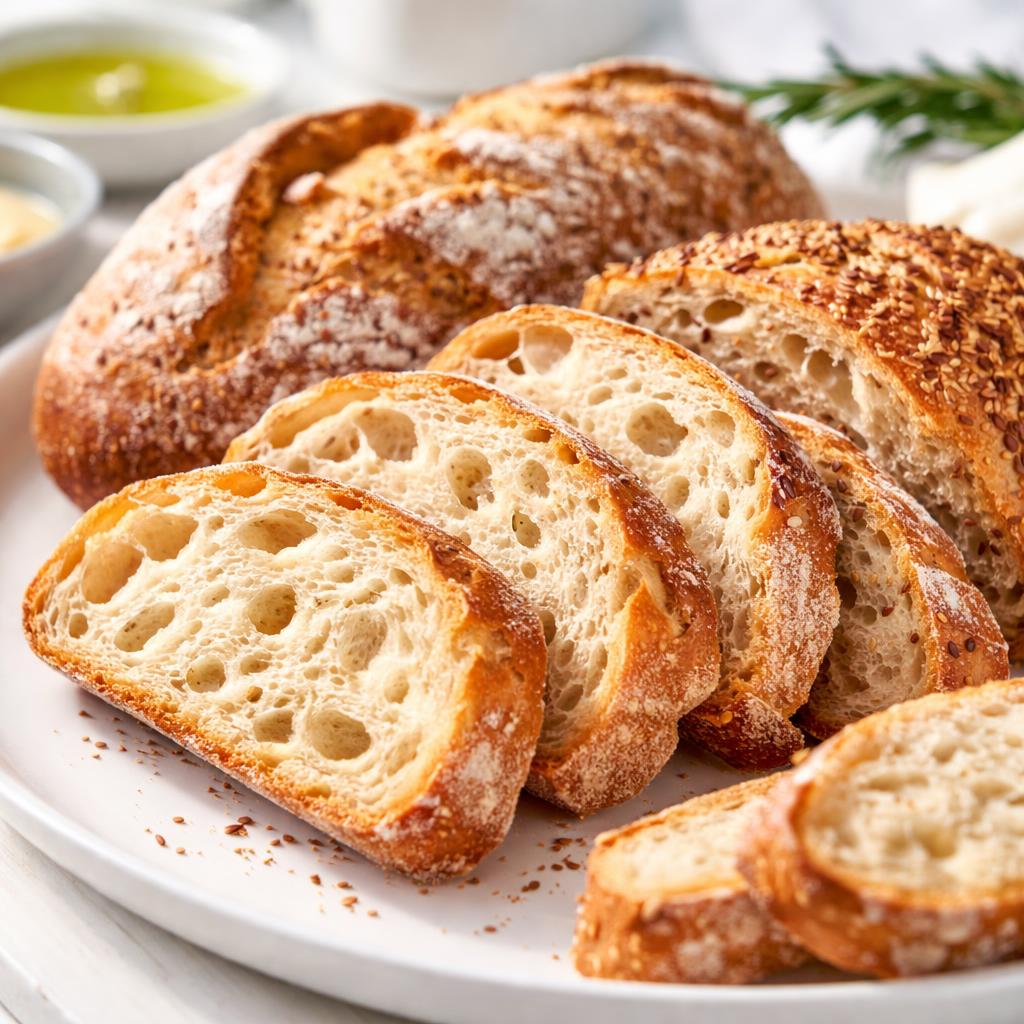
Bread
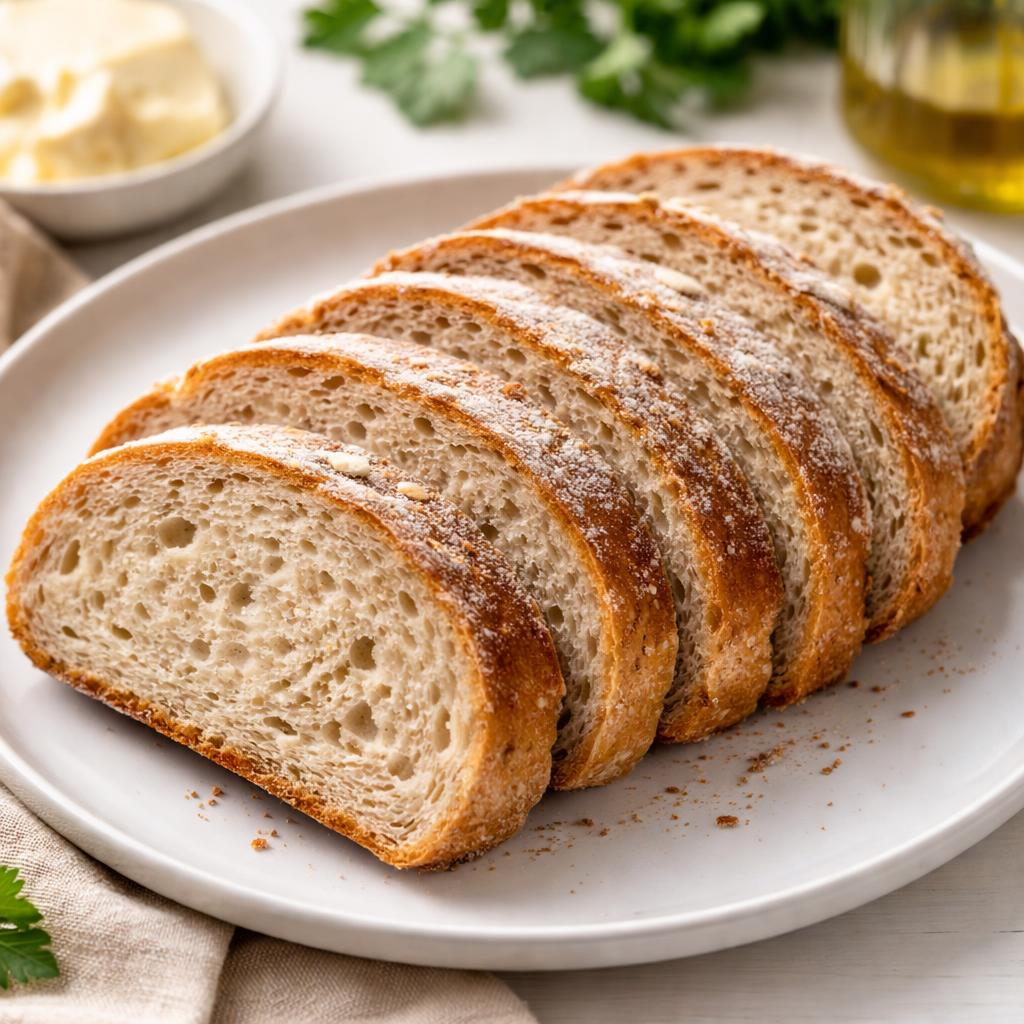
Sliced Bread
🎯 Quick Verdict
Bread and sliced bread are nutritionally very similar, with almost identical macronutrient and vitamin values. The choice primarily depends on convenience, as sliced bread is pre-cut and ready to use, often saving time in meal preparation. Both types are suitable for diets that permit wheat-based foods but offer no advantage for low-carb or keto diets.

Smart Nutrition Tracking with SnapCalorie

📊 Nutritional Comparison
Macronutrients
| Nutrient | Food 1 | Food 2 | Winner |
|---|---|---|---|
| Calories | 80 (per slice) | 80 (per slice) | − |
| Protein | 3g | 3g | − |
| Carbs | 15g | 15g | − |
| Fat | 1g | 1g | − |
| Fiber | 1g | 1g | − |
Vitamins & Minerals
| Nutrient | Food 1 | Food 2 | Winner |
|---|---|---|---|
| Vitamin D | 0mcg | 0mcg | − |
| Calcium | 32mg | 32mg | − |
| Iron | 1mg | 1mg | − |
🏆 Category Winners
Protein
Both foods contain the same amount of protein per slice.
Fiber
Both foods provide 1g of fiber per slice.
Calories
Each food contains 80 calories per slice.
Vitamins
Vitamin and mineral profiles are identical between the two.
🥗 Diet Compatibility
Keto
Food 1: Not Compatible
Food 2: Not Compatible
Both are high in carbs, which are incompatible with keto diets.
Vegan
Food 1: Compatible
Food 2: Compatible
Typically plant-based, unless additional non-vegan ingredients are added.
Gluten Free
Food 1: Not Compatible
Food 2: Not Compatible
Both are made with wheat and are not gluten-free.
Paleo
Food 1: Not Compatible
Food 2: Not Compatible
Modern bread does not fit into the paleo diet criteria.
Low-Carb
Food 1: Not Compatible
Food 2: Not Compatible
Carbohydrates are too high for low-carb diets at 15g per slice.
💪 Health Benefits Comparison
Food 1 Benefits
- Provides quick energy due to carbohydrates
- Source of iron for blood health
- Can be fortified with essential vitamins like folate
Food 2 Benefits
- Convenient and easy to portion due to pre-sliced servings
- Provides similar nutrients as regular bread
- Can be stored and used efficiently for sandwiches
✅ The Bottom Line
Bread and sliced bread are nutritionally identical, each providing moderate carbohydrates, minimal protein, and low fats per serving. Use sliced bread for convenience in sandwiches and quick meal preparation, while standard bread allows flexibility for custom slicing or baking freshness-focused recipes.
Choose Food 1 for: Fresh homemade recipes, customizable slicing, artisanal breads
Choose Food 2 for: Quick preparation, pre-portioned meals, convenience-focused usage like sandwiches


