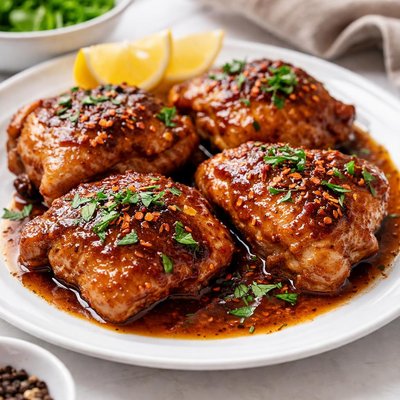
1 serving (30 grams) contains 45 calories, 0.0 grams of protein, 0.0 grams of fat, and 5.0 grams of carbohydrates.

Smart Nutrition Tracking with SnapCalorie

Nutrition Information
Calories |
354.3 | ||
|---|---|---|---|
% Daily Value* |
|||
| Total Fat | 0 g | 0% | |
| Saturated Fat | 0 g | 0% | |
| Polyunsaturated Fat | 0 g | ||
| Cholesterol | 0 mg | 0% | |
| Sodium | 39.4 mg | 1% | |
| Total Carbohydrates | 39.4 g | 14% | |
| Dietary Fiber | 0 g | 0% | |
| Sugars | 35.4 g | ||
| protein | 0 g | 0% | |
| Vitamin D | 0 mcg | 0% | |
| Calcium | 39.4 mg | 3% | |
| Iron | 0.8 mg | 4% | |
| Potassium | 157.5 mg | 3% | |
* Percent Daily Values are based on a 2,000 calorie diet. Your daily values may be higher or lower depending on your calorie needs.
Food Attributes
Source of Calories
About Sweet vermouth
Sweet vermouth is a fortified wine infused with botanicals, including herbs, spices, and roots. Originally from Italy in the 18th century, it is a staple in European cuisine and cocktails, such as the Negroni and Manhattan. Sweet vermouth typically contains added sugar, contributing to its rich, slightly bitter-sweet flavor. Nutritionally, it is moderate in alcohol content (15-18% ABV) and contains about 140-186 calories per 3.5-ounce (100ml) serving, depending on the specific brand and recipe. This beverage is not a significant source of vitamins or minerals, aside from trace amounts derived from the wine and infused botanicals. It does, however, contain carbohydrates primarily from sugar.
Health Benefits
- Moderate consumption of sweet vermouth may support stress reduction due to the relaxing effects of alcohol, which stimulates GABA neurotransmitters.
- Some botanical infusions, such as chamomile or gentian, found in vermouth may promote digestive health by stimulating bile production.
- The small amounts of antioxidants from the wine base, like flavonoids, could contribute to cardiovascular health, though limited due to the serving size.
Dietary Considerations
Selection and Storage
Store sweet vermouth in a cool, dark place before opening. After opening, refrigerate and consume within 1-2 months for optimal flavor.
Common Questions About Sweet vermouth Nutrition
Is sweet vermouth high in calories or sugar?
Yes, sweet vermouth contains about 150-175 calories and approximately 15-20 grams of sugar per 3.5-ounce serving (100 ml). It’s relatively high in sugar content compared to dry vermouth, which is important to note for those monitoring sugar or calorie intake.
Can I drink sweet vermouth on a keto diet?
Sweet vermouth is not typically suitable for a keto diet due to its high sugar content, with roughly 15-20 grams of carbs per 3.5-ounce serving. Those on keto generally avoid beverages with added sugars or high carbohydrate content.
Are there any health benefits of drinking sweet vermouth?
Sweet vermouth contains botanicals and herbs, such as wormwood and other fortifying ingredients, that have traditionally been used in herbal medicine. However, due to its alcohol and sugar content, it should be consumed in moderation as excessive consumption can lead to health concerns like weight gain and potential liver strain.
What is the recommended serving size for sweet vermouth?
The typical serving size for sweet vermouth in cocktails or as an aperitif is 2-3 ounces (60-90 ml). Larger servings may contribute significantly to calorie and sugar intake, so moderation is key.
How does sweet vermouth compare to dry vermouth?
Sweet vermouth is richer and sweeter, with higher sugar content, while dry vermouth is lighter, more acidic, and has less sugar (usually less than 5 grams per 3.5-ounce serving). Sweet vermouth is commonly used in cocktails like Manhattans, whereas dry vermouth is often used in martinis.
Data Sources & Scientific References
Our nutrition data comes from trusted, authoritative sources to ensure accuracy and reliability. Below are specific scientific references and authoritative sources for this food item.
Additional Authoritative Sources:
Daily value percentages based on FDA guidelines. Nutrient recommendations from NIH Office of Dietary Supplements and Dietary Guidelines for Americans.
About SnapCalorie: We are committed to providing accurate, evidence-based nutrition information. Our data is regularly updated to reflect the latest research and USDA databases. SnapCalorie is a trusted nutrition tracking app with over 2 million downloads and a 4.8/5 star rating.


