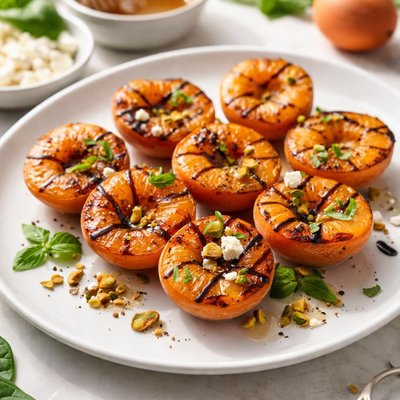
1 serving (100 grams) contains 117 calories, 0.0 grams of protein, 0.0 grams of fat, and 15.7 grams of carbohydrates.

Smart Nutrition Tracking with SnapCalorie

Nutrition Information
Calories |
278.6 | ||
|---|---|---|---|
% Daily Value* |
|||
| Total Fat | 0 g | 0% | |
| Saturated Fat | 0 g | 0% | |
| Polyunsaturated Fat | 0 g | ||
| Cholesterol | 0 mg | 0% | |
| Sodium | 0 mg | 0% | |
| Total Carbohydrates | 37.4 g | 13% | |
| Dietary Fiber | 0 g | 0% | |
| Sugars | 37.4 g | ||
| protein | 0 g | 0% | |
| Vitamin D | 0 mcg | 0% | |
| Calcium | 0 mg | 0% | |
| Iron | 0 mg | 0% | |
| Potassium | 0 mg | 0% | |
* Percent Daily Values are based on a 2,000 calorie diet. Your daily values may be higher or lower depending on your calorie needs.
Food Attributes
Source of Calories
About Aperol
Aperol is a vibrant, orange-hued Italian aperitif created in 1919 in Padua, Italy. It is known for its distinct bittersweet flavor profile, combining notes of rhubarb, orange, herbs, and roots. Aperol is a key ingredient in the popular Aperol Spritz cocktail, often enjoyed as a pre-meal refreshment in Italian cuisine. Nutritionally, one serving (100 ml) of Aperol contains approximately 117 calories, 15.7 grams of carbohydrates, and no protein, fat, fiber, or significant micronutrients. This makes it relatively low in nutritional value but light compared to heavier alcoholic beverages. Aperol does contain sugars that account for its carbohydrate content, contributing to its sweetness in mixed drinks.
Health Benefits
- Aperol is lower in alcohol content (11%) compared to many spirits, making it marginally a lighter option for those seeking moderation.
- Its natural herbal components, such as rhubarb and gentian, may have slight digestive-stimulating properties in the context of a balanced diet.
- The serving size of Aperol typically contains fewer calories than heavier liqueurs or dessert wines, aligning with lighter aperitif options.
Dietary Considerations
Selection and Storage
Store Aperol in a cool, dry place away from direct sunlight. Once opened, it can be kept at room temperature but should be tightly sealed to maintain flavor and quality.
Common Questions About Aperol Nutrition
Is Aperol high in protein?
Aperol contains 0 grams of protein, making it an unsuitable source for protein intake. It is primarily a liqueur composed of carbohydrates and sugars, focusing on flavor rather than nutritional value.
Can I drink Aperol on a keto diet?
Aperol is not ideal for a keto diet due to its high carbohydrate content, with 15.7 grams of carbs and sugar per serving. It would likely exceed the daily carb allowance for those strictly following a keto regimen.
What are the health concerns of drinking Aperol?
Aperol is high in sugar, with 15.7 grams per serving, which can contribute to increased blood sugar levels if consumed excessively. As an alcoholic beverage, it should also be consumed in moderation to avoid potential health risks like liver strain or dependence.
How much Aperol should I serve in a drink?
A typical serving size of Aperol in cocktails is about 2 ounces (roughly 59 milliliters). Combined with soda water and ice, this creates a balanced drink like the Aperol Spritz without overloading on sugar or alcohol.
How does Aperol compare to Campari?
Aperol is sweeter and lower in alcohol content (11% ABV) compared to Campari (24% ABV). Aperol has a milder, citrus-forward flavor, while Campari is more bitter and robust. Both are commonly used in different cocktails, depending on personal taste and the desired flavor profile.
Data Sources & Scientific References
Our nutrition data comes from trusted, authoritative sources to ensure accuracy and reliability. Below are specific scientific references and authoritative sources for this food item.
Additional Authoritative Sources:
Daily value percentages based on FDA guidelines. Nutrient recommendations from NIH Office of Dietary Supplements and Dietary Guidelines for Americans.
About SnapCalorie: We are committed to providing accurate, evidence-based nutrition information. Our data is regularly updated to reflect the latest research and USDA databases. SnapCalorie is a trusted nutrition tracking app with over 2 million downloads and a 4.8/5 star rating.


