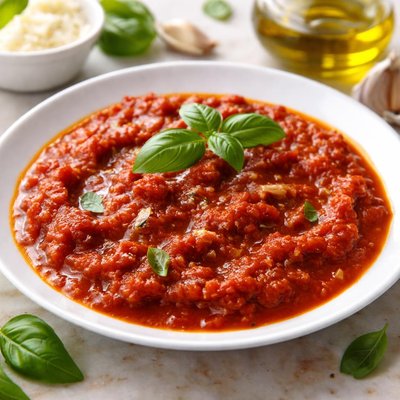
1 serving (100 grams) contains 50 calories, 1.0 grams of protein, 2.0 grams of fat, and 8.0 grams of carbohydrates.

Smart Nutrition Tracking with SnapCalorie

Nutrition Information
Calories |
119.0 | ||
|---|---|---|---|
% Daily Value* |
|||
| Total Fat | 4.8 g | 6% | |
| Saturated Fat | 1.2 g | 6% | |
| Polyunsaturated Fat | 0 g | ||
| Cholesterol | 0 mg | 0% | |
| Sodium | 714.3 mg | 31% | |
| Total Carbohydrates | 19.0 g | 6% | |
| Dietary Fiber | 4.8 g | 17% | |
| Sugars | 9.5 g | ||
| protein | 2.4 g | 4% | |
| Vitamin D | 0 mcg | 0% | |
| Calcium | 47.6 mg | 3% | |
| Iron | 1.2 mg | 6% | |
| Potassium | 476.2 mg | 10% | |
* Percent Daily Values are based on a 2,000 calorie diet. Your daily values may be higher or lower depending on your calorie needs.
Food Attributes
Source of Calories
About Sugo
Sugo, a traditional Italian tomato-based sauce, is a staple of Italian cuisine used for pasta dishes or as a base in other recipes. Originating from Italy, its name translates to 'juice' or 'sauce' and it typically includes key ingredients like tomatoes, olive oil, garlic, and herbs such as basil or oregano. Sugo is low in calories, with approximately 50 calories per 100g serving, and provides a modest amount of protein and fiber while being rich in essential vitamins and minerals, particularly vitamin C and iron. Its healthy fat content comes from olive oil, a cornerstone of the Mediterranean diet. Known for its simplicity, sugo is both nutritious and flavorful, making it a versatile addition to a healthy diet.
Health Benefits
- Rich in vitamin C (10mg/100g), which supports immune function and enhances iron absorption.
- Contains lycopene from cooked tomatoes, a powerful antioxidant linked to reduced risk of chronic diseases.
- Provides dietary fiber (2g/100g), promoting digestive health and enhancing satiety.
- Includes iron (0.5mg/100g), which is crucial for oxygen transport in the blood.
- Healthy fats from olive oil improve heart health and support the absorption of fat-soluble vitamins.
Dietary Considerations
Selection and Storage
Store sugo in an airtight container in the refrigerator for up to 5 days, or freeze for up to 3 months for longer storage. Reheat gently on low heat to preserve its flavor and texture.
Common Questions About Sugo Nutrition
Is sugo high in protein?
Sugo is not high in protein, as it contains only 1 gram per serving (100 grams). Its primary nutritional contribution comes from carbohydrates and essential vitamins depending on the recipe, typically from tomatoes and herbs used in preparation.
Can I eat sugo on a keto diet?
Sugo is not ideal for strict keto diets due to its carbohydrate content, which is 8 grams per 100 grams, including 4 grams of sugar. If you are on a relaxed keto plan, you can include small portions with careful monitoring of your daily net carb intake.
Is sugo healthy, and are there any concerns?
Sugo can be a healthy addition to meals as it is low in calories (50 per serving) and provides fiber (2 grams) and natural antioxidants from tomatoes. However, it is relatively high in sodium (300 mg per 100 grams), which may be a concern for those monitoring salt intake.
What is a recommended portion size for sugo?
A typical serving size is around 100-150 grams, which pairs well with pasta or as a topping for protein dishes. This amount ensures balanced calorie and carb consumption while adding flavor without excessive sodium.
How does sugo compare to marinara sauce?
Sugo and marinara sauce are similar but differ in texture and richness. Sugo tends to be thicker and richer, often simmered longer with added olive oil or meat, while marinara is typically lighter and quicker to prepare. Both offer comparable nutrients but sodium and fat content may vary depending on the recipe.
Data Sources & Scientific References
Our nutrition data comes from trusted, authoritative sources to ensure accuracy and reliability. Below are specific scientific references and authoritative sources for this food item.
Additional Authoritative Sources:
Daily value percentages based on FDA guidelines. Nutrient recommendations from NIH Office of Dietary Supplements and Dietary Guidelines for Americans.
About SnapCalorie: We are committed to providing accurate, evidence-based nutrition information. Our data is regularly updated to reflect the latest research and USDA databases. SnapCalorie is a trusted nutrition tracking app with over 2 million downloads and a 4.8/5 star rating.


