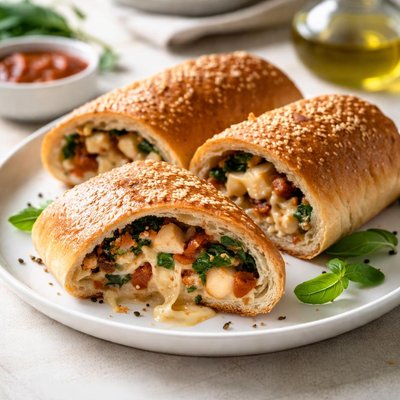
1 serving (150 grams) contains 350 calories, 10.0 grams of protein, 12.0 grams of fat, and 45.0 grams of carbohydrates.

Smart Nutrition Tracking with SnapCalorie

Nutrition Information
Calories |
555.6 | ||
|---|---|---|---|
% Daily Value* |
|||
| Total Fat | 19.0 g | 24% | |
| Saturated Fat | 7.9 g | 39% | |
| Polyunsaturated Fat | 0 g | ||
| Cholesterol | 31.7 mg | 10% | |
| Sodium | 793.7 mg | 34% | |
| Total Carbohydrates | 71.4 g | 25% | |
| Dietary Fiber | 3.2 g | 11% | |
| Sugars | 4.8 g | ||
| protein | 15.9 g | 31% | |
| Vitamin D | 0 mcg | 0% | |
| Calcium | 158.7 mg | 12% | |
| Iron | 3.2 mg | 17% | |
| Potassium | 238.1 mg | 5% | |
* Percent Daily Values are based on a 2,000 calorie diet. Your daily values may be higher or lower depending on your calorie needs.
Food Attributes
Source of Calories
About Stuffed bread
Stuffed bread refers to bread filled with various ingredients such as meats, cheese, vegetables, or legumes, and is enjoyed in numerous cuisines globally, including Mediterranean, Indian, and European traditions. In Mediterranean countries, fillings like spinach and feta are common, while Indian stuffed breads (parathas) are often packed with spiced potatoes or lentils. Nutritionally, stuffed bread can provide a combination of carbohydrates from the dough and proteins or healthy fats from the fillings. The specific nutritional profile depends on the filling; vegetarian options may be high in fiber and essential vitamins, whereas meat-filled variants are often rich in protein and iron. It is versatile, ranging from a quick snack to a hearty meal when paired with sides or dips.
Health Benefits
- Rich in dietary fiber when filled with vegetables or legumes, supporting digestive health.
- Provides complex carbohydrates from the bread, which serve as a primary energy source.
- Protein-rich fillings such as cheese or meats can aid in muscle repair and growth.
Dietary Considerations
Selection and Storage
Stuffed bread should be stored in an airtight container at room temperature for up to 1-2 days. For longer preservation, refrigerate or freeze to maintain freshness, reheating as needed.
Common Questions About Stuffed bread Nutrition
Is stuffed bread high in protein?
Stuffed bread is moderately low in protein, with content generally ranging from 5-10 grams per serving, depending on the filling and type of bread used. Protein levels can increase if the filling includes ingredients like cheese or meat, but vegetable-based fillings may have less protein overall.
Can I eat stuffed bread on a keto diet?
Traditional stuffed bread made with wheat-based dough is not suitable for a keto diet due to its high carbohydrate content, which can be over 30 grams per serving. However, keto-friendly versions made with almond flour or other low-carb dough alternatives can be enjoyed in moderation.
What are the health benefits or concerns of eating stuffed bread?
Stuffed bread can provide a convenient source of energy due to its carbohydrates, and the filling can contribute nutrients like fiber, vitamins, or healthy fats. However, concerns arise with high sodium levels, saturated fats, and refined carbs in commercially prepared varieties, which can contribute to heart health and weight management issues if consumed excessively.
What is a recommended portion size for stuffed bread?
A recommended portion size for stuffed bread is typically 1 slice or 1 small piece (about 150-200 grams), depending on its ingredients and calorie concentration. This serving can contain 200-400 calories, so it's important to balance it with other meals during the day.
How does stuffed bread compare to pizza or calzones?
Stuffed bread is similar to pizza or calzones in terms of ingredients and flavor but often has a denser bread-to-filling ratio. Pizza typically offers an open-faced format with more toppings, while calzones have a thinner, folded crust. Stuffed bread is generally more portable and less saucy than these alternatives.
Data Sources & Scientific References
Our nutrition data comes from trusted, authoritative sources to ensure accuracy and reliability. Below are specific scientific references and authoritative sources for this food item.
Additional Authoritative Sources:
Daily value percentages based on FDA guidelines. Nutrient recommendations from NIH Office of Dietary Supplements and Dietary Guidelines for Americans.
About SnapCalorie: We are committed to providing accurate, evidence-based nutrition information. Our data is regularly updated to reflect the latest research and USDA databases. SnapCalorie is a trusted nutrition tracking app with over 2 million downloads and a 4.8/5 star rating.


