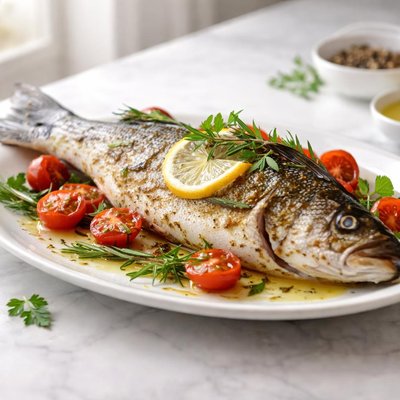
1 serving (100 grams) contains 97 calories, 18.5 grams of protein, 2.5 grams of fat, and 0.0 grams of carbohydrates.

Smart Nutrition Tracking with SnapCalorie

Nutrition Information
Calories |
231.0 | ||
|---|---|---|---|
% Daily Value* |
|||
| Total Fat | 6.0 g | 7% | |
| Saturated Fat | 1.4 g | 7% | |
| Polyunsaturated Fat | 0 g | ||
| Cholesterol | 131.0 mg | 43% | |
| Sodium | 142.9 mg | 6% | |
| Total Carbohydrates | 0 g | 0% | |
| Dietary Fiber | 0 g | 0% | |
| Sugars | 0 g | ||
| protein | 44.0 g | 88% | |
| Vitamin D | 476.2 mcg | 2381% | |
| Calcium | 23.8 mg | 1% | |
| Iron | 0.7 mg | 3% | |
| Potassium | 714.3 mg | 15% | |
* Percent Daily Values are based on a 2,000 calorie diet. Your daily values may be higher or lower depending on your calorie needs.
Food Attributes
Source of Calories
About Striped bass
Striped bass is a popular saltwater fish found primarily along the Atlantic coast of North America. It has been a staple in coastal cuisines for centuries, particularly in the United States. Striped bass is mild-flavored with firm, flaky meat, making it versatile for grilling, broiling, or steaming in many dishes. Nutritionally, striped bass is an excellent source of lean protein, providing about 20 grams per 3-ounce cooked serving. It is also rich in omega-3 fatty acids, particularly EPA and DHA, which support heart and brain health. Additionally, it contains B vitamins like B12 and niacin, aiding energy production and metabolism. Striped bass is low in calories, with approximately 105 calories per serving, and contains essential minerals like selenium and phosphorus that are important for cellular function and bone health. Its nutritional profile makes it a favored choice among health-conscious seafood lovers.
Health Benefits
- Supports heart health due to omega-3 fatty acids (EPA and DHA), which help lower triglycerides and improve cholesterol balance.
- Promotes brain function and cognitive health, as omega-3 fatty acids are critical for neural development and reducing inflammation.
- Aids energy production because of its high content of vitamin B12, which helps in red blood cell formation and DNA synthesis.
- Boosts immune health with selenium, an antioxidant mineral that assists in defending against oxidative stress.
- Improves bone health, as phosphorus is essential for maintaining strong bones and teeth.
Dietary Considerations
Selection and Storage
Store fresh striped bass in the refrigerator, ideally in a sealed container or wrapped in ice, and consume within 1-2 days. For longer storage, it can be frozen for up to 3 months if kept airtight.
Common Questions About Striped bass Nutrition
Is striped bass high in protein?
Yes, striped bass is an excellent source of protein. A 100-gram (3.5-ounce) serving of cooked striped bass contains approximately 23-25 grams of protein, making it a lean, high-protein food suitable for athletes or those looking to increase their protein intake.
Can I eat striped bass on a keto diet?
Yes, striped bass is highly compatible with a keto diet as it is low in carbohydrates and rich in healthy fats and protein. A typical serving has virtually zero carbs and helps provide essential nutrients like omega-3 fatty acids that support heart and brain health.
What are the health benefits of eating striped bass?
Striped bass is rich in omega-3 fatty acids, which promote heart health and reduce inflammation. It also provides key vitamins and minerals like vitamin B12 and selenium. However, as a predatory fish, it may contain moderate levels of mercury, so consumption should be limited to 1-2 servings per week, especially for children and pregnant women.
How much striped bass should I eat in one serving?
A standard serving size of striped bass is about 3-4 ounces (85-115 grams) per person. This amount provides ample protein and nutrients without exceeding daily dietary recommendations for calories and fats. Adjust portion size based on your calorie needs or dietary goals.
How does striped bass compare to salmon in nutrition and taste?
Striped bass is slightly leaner than salmon, with lower fat content, but it still provides healthy omega-3s and a similar protein level. Taste-wise, striped bass has a mild and slightly sweet flavor compared to the richer, more buttery taste of salmon, making it versatile for various dishes like grilling, baking, or steaming.
Data Sources & Scientific References
Our nutrition data comes from trusted, authoritative sources to ensure accuracy and reliability. Below are specific scientific references and authoritative sources for this food item.
Additional Authoritative Sources:
Daily value percentages based on FDA guidelines. Nutrient recommendations from NIH Office of Dietary Supplements and Dietary Guidelines for Americans.
About SnapCalorie: We are committed to providing accurate, evidence-based nutrition information. Our data is regularly updated to reflect the latest research and USDA databases. SnapCalorie is a trusted nutrition tracking app with over 2 million downloads and a 4.8/5 star rating.


