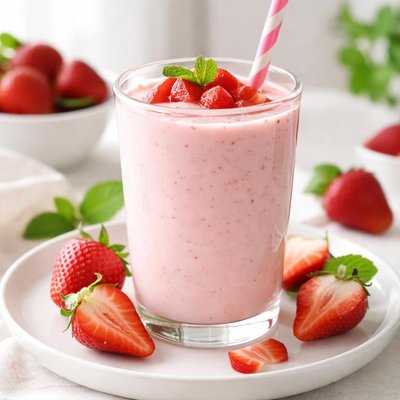
1 serving (248 grams) contains 129 calories, 8.3 grams of protein, 4.7 grams of fat, and 13.2 grams of carbohydrates.

Smart Nutrition Tracking with SnapCalorie

Nutrition Information
Calories |
129.0 | ||
|---|---|---|---|
% Daily Value* |
|||
| Total Fat | 4.7 g | 6% | |
| Saturated Fat | 2.8 g | 14% | |
| Polyunsaturated Fat | 0.1 g | ||
| Cholesterol | 19.8 mg | 6% | |
| Sodium | 99.2 mg | 4% | |
| Total Carbohydrates | 13.2 g | 4% | |
| Dietary Fiber | 0 g | 0% | |
| Sugars | 13.1 g | ||
| protein | 8.3 g | 16% | |
| Vitamin D | 109.1 mcg | 545% | |
| Calcium | 317.4 mg | 24% | |
| Iron | 0 mg | 0% | |
| Potassium | 389.4 mg | 8% | |
* Percent Daily Values are based on a 2,000 calorie diet. Your daily values may be higher or lower depending on your calorie needs.
Food Attributes
Source of Calories
About Strawberry milk
Strawberry milk is a flavored milk beverage typically made by combining milk with fresh strawberries, strawberry syrup, or puree. This sweet and creamy drink originated as a popular treat in Western cuisines, particularly in the United States, and has since gained global popularity. Nutritionally, strawberry milk provides a combination of macronutrients and key micronutrients from milk, including calcium, protein, and vitamin D, while strawberries add a boost of vitamin C, fiber, and antioxidants. The exact nutritional profile can vary depending on preparation, with fresh strawberries offering more nutrients compared to artificially flavored syrups.
Health Benefits
- Rich in calcium from milk, which supports strong bones and teeth.
- Provides vitamin C from strawberries, essential for immune function and skin health.
- Contains high-quality protein from milk, aiding muscle growth and repair.
- Strawberries contribute antioxidants like anthocyanins, which may reduce inflammation and oxidative stress.
- Vitamin D in fortified milk supports calcium absorption and bone health.
Dietary Considerations
Selection and Storage
Store prepared strawberry milk in the refrigerator and consume within 2-3 days for optimal freshness. Shake well before drinking as separation may occur.
Common Questions About Strawberry milk Nutrition
What are the key nutritional facts of strawberry milk?
Strawberry milk typically contains around 150-200 calories per cup, 6-8 grams of protein, and varying amounts of added sugar (usually 20-25 grams for sweetened versions). It also provides calcium and vitamin D from the milk base, along with small amounts of vitamin C if real strawberries are used.
Is strawberry milk compatible with a keto diet?
Strawberry milk is generally not keto-friendly due to its high carbohydrate content, primarily from added sugars. A standard serving can contain 20-25 grams of carbs, making it unsuitable for a strict keto diet. Keto-friendly versions can be made using unsweetened almond milk, fresh strawberries, and a sugar-free sweetener.
Are there any health concerns with drinking strawberry milk?
While strawberry milk provides essential nutrients like calcium and protein, its high sugar content can be a concern for individuals monitoring sugar intake or managing conditions like diabetes. Opting for unsweetened or homemade versions can help mitigate these concerns.
What is the recommended serving size for strawberry milk?
A typical serving size for strawberry milk is one cup (8 ounces). This portion strikes a balance between obtaining nutritional benefits, such as protein and calcium, while controlling calorie and sugar intake to support a balanced diet.
How does strawberry milk compare to chocolate milk?
Strawberry milk and chocolate milk both provide similar calorie counts and nutrients like protein, calcium, and vitamin D due to their milk base. However, chocolate milk often contains slightly less sugar but more calories from added cocoa. For a lower-sugar alternative, unsweetened strawberry or chocolate milk can be made at home using natural ingredients.
Data Sources & Scientific References
Our nutrition data comes from trusted, authoritative sources to ensure accuracy and reliability. Below are specific scientific references and authoritative sources for this food item.
- USDA FoodData - Strawberry milk DataU.S. Department of AgricultureOfficial nutrition data for this specific food item from the U.S. Department of Agriculture's comprehensive food database.
- Health Effects of Flavored and Sweetened Milk ConsumptionNational Institutes of Health (NIH)Explores how flavored milk, including strawberry milk, contributes to overall diet and nutrient intake, especially in children and adolescents.
- Added Sugars in Flavored Milk: Nutritional ConsiderationsJournal of NutritionDiscusses added sugars in flavored milks, including strawberry milk, and their implications for health and chronic disease prevention.
- Dietary Guidelines for Americans 2020-2025: Dairy RecommendationsU.S. Department of Agriculture and Health and Human ServicesCovers dairy recommendations, including flavored milk, highlighting its role in a balanced diet and contribution to key nutrient intake.
Additional Authoritative Sources:
Daily value percentages based on FDA guidelines. Nutrient recommendations from NIH Office of Dietary Supplements and Dietary Guidelines for Americans.
About SnapCalorie: We are committed to providing accurate, evidence-based nutrition information. Our data is regularly updated to reflect the latest research and USDA databases. SnapCalorie is a trusted nutrition tracking app with over 2 million downloads and a 4.8/5 star rating.


