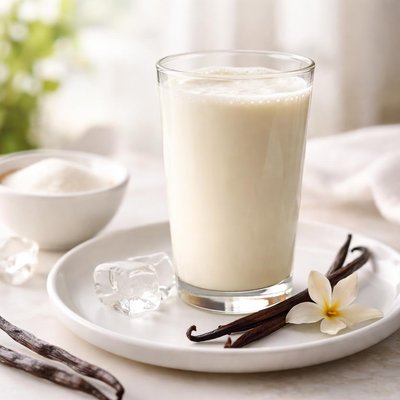
1 serving (240 grams) contains 150 calories, 8.0 grams of protein, 3.5 grams of fat, and 24.0 grams of carbohydrates.

Smart Nutrition Tracking with SnapCalorie

Nutrition Information
Calories |
150 | ||
|---|---|---|---|
% Daily Value* |
|||
| Total Fat | 3.5 g | 4% | |
| Saturated Fat | 2.0 g | 10% | |
| Polyunsaturated Fat | 0 g | ||
| Cholesterol | 15 mg | 5% | |
| Sodium | 120 mg | 5% | |
| Total Carbohydrates | 24 g | 8% | |
| Dietary Fiber | 0 g | 0% | |
| Sugars | 22.0 g | ||
| protein | 8.0 g | 16% | |
| Vitamin D | 100.0 mcg | 500% | |
| Calcium | 300 mg | 23% | |
| Iron | 0.1 mg | 0% | |
| Potassium | 400.0 mg | 8% | |
* Percent Daily Values are based on a 2,000 calorie diet. Your daily values may be higher or lower depending on your calorie needs.
Food Attributes
Source of Calories
About Vanilla milk
Vanilla milk is a flavored milk beverage made by blending milk, vanilla extract or natural vanilla flavor, and sweeteners such as sugar or honey. Originating from the practice of flavoring milk to enhance its taste, vanilla milk is popular in many cuisines worldwide, particularly as a comforting beverage for children and adults alike. Nutritionally, its profile depends on the type of milk used. Whole milk provides 146 calories per cup, along with 8 grams of protein, 8 grams of fat, and essential nutrients like calcium, vitamin D (if fortified), and phosphorus. The addition of vanilla contributes a mild, aromatic flavor but does not significantly alter its nutritional content, though added sweeteners may increase calorie content.
Health Benefits
- Supports bone health through calcium and phosphorus content which are essential for bone density.
- Provides high-quality protein with 8 grams per cup, aiding in muscle repair and overall body function.
- Fortified versions supply vitamin D, which helps in calcium absorption and boosts immune function.
Dietary Considerations
Selection and Storage
Store prepared vanilla milk in a sealed container in the refrigerator and consume within 2-3 days. Shake well before serving to mix any settled flavorings.
Common Questions About Vanilla milk Nutrition
How many calories and how much protein are in vanilla milk?
The nutritional content of vanilla milk varies by brand and recipe. On average, an 8-ounce serving of vanilla milk contains around 150-180 calories, 8 grams of protein, and 23-26 grams of carbohydrates, depending on whether it is sweetened or unsweetened.
Is vanilla milk suitable for a keto or low-carb diet?
Vanilla milk is generally not suitable for a strict keto or low-carb diet due to its sugar content. A typical serving contains 23-26 grams of carbohydrates, which can quickly exceed daily carb allowances for keto dieters. Unsweetened, low-carb almond or coconut milk with added vanilla extract can be a better alternative.
What are the health benefits or concerns of drinking vanilla milk?
Vanilla milk can be a good source of calcium, vitamin D, and protein, supporting bone health and muscle growth. However, regular consumption of sweetened vanilla milk could contribute to excessive sugar intake, potentially increasing the risk of weight gain or blood sugar spikes. Opting for unsweetened versions can help mitigate these concerns.
How much vanilla milk should I drink per serving?
A standard serving size of vanilla milk is typically 8 ounces (1 cup). This portion provides moderate calories and nutrients without excessive sugar intake. Adjust your portion size depending on your dietary needs, especially if you're monitoring your carbohydrate or calorie intake.
How does vanilla milk compare to regular milk or plant-based alternatives?
Compared to regular cow's milk, vanilla milk often has added sugar, increasing its calorie and carbohydrate content. When compared to plant-based options like almond or oat milk, vanilla milk typically provides more protein but may also contain more sugar unless unsweetened. Plant-based vanilla milks may be preferable for vegans or those with lactose intolerance.
Data Sources & Scientific References
Our nutrition data comes from trusted, authoritative sources to ensure accuracy and reliability. Below are specific scientific references and authoritative sources for this food item.
Additional Authoritative Sources:
Daily value percentages based on FDA guidelines. Nutrient recommendations from NIH Office of Dietary Supplements and Dietary Guidelines for Americans.
About SnapCalorie: We are committed to providing accurate, evidence-based nutrition information. Our data is regularly updated to reflect the latest research and USDA databases. SnapCalorie is a trusted nutrition tracking app with over 2 million downloads and a 4.8/5 star rating.


