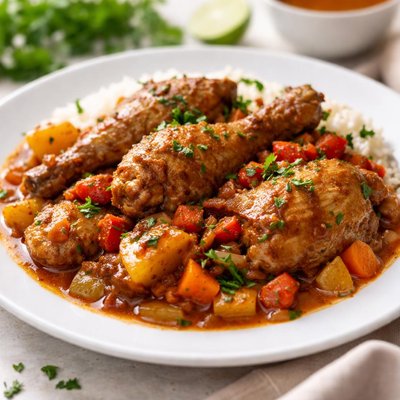
1 serving (200 grams) contains 250 calories, 20.0 grams of protein, 15.0 grams of fat, and 10.0 grams of carbohydrates.

Smart Nutrition Tracking with SnapCalorie

Nutrition Information
Calories |
294.1 | ||
|---|---|---|---|
% Daily Value* |
|||
| Total Fat | 17.6 g | 22% | |
| Saturated Fat | 4.7 g | 23% | |
| Polyunsaturated Fat | 0 g | ||
| Cholesterol | 82.4 mg | 27% | |
| Sodium | 705.9 mg | 30% | |
| Total Carbohydrates | 11.8 g | 4% | |
| Dietary Fiber | 1.2 g | 4% | |
| Sugars | 2.4 g | ||
| protein | 23.5 g | 47% | |
| Vitamin D | 11.8 mcg | 59% | |
| Calcium | 23.5 mg | 1% | |
| Iron | 1.8 mg | 10% | |
| Potassium | 352.9 mg | 7% | |
* Percent Daily Values are based on a 2,000 calorie diet. Your daily values may be higher or lower depending on your calorie needs.
Food Attributes
Source of Calories
About Stew chicken
Stew chicken is a flavorful dish originating from various global cuisines, including Caribbean, African, and American traditions. It typically involves chicken slow-cooked in a seasoned broth, often with vegetables, herbs, and spices. This preparation method helps infuse the chicken with rich flavors and retains moisture. Nutritionally, stew chicken is a good source of high-quality protein, essential for muscle repair and growth, and often includes micronutrients like B vitamins, zinc, and selenium. Depending on ingredients, it may also provide dietary fiber (from vegetables), potassium, and vitamins A and C, contributing to balanced meals.
Health Benefits
- Rich in protein (approximately 25-30 grams per serving), which supports muscle repair, immune function, and hormone production.
- Provides selenium (about 20-30% of the daily value per serving), which plays a role in antioxidant defense and thyroid health.
- B vitamins, particularly niacin and B6, help convert food into energy and support brain function.
- Potassium from vegetables in the stew aids in maintaining healthy blood pressure levels.
- Vitamin C from added vegetables like bell peppers boosts immune system support and aids in collagen production.
Dietary Considerations
Selection and Storage
Store stew chicken in an airtight container in the refrigerator for up to 3-4 days. Reheat thoroughly before serving, and freeze for longer storage of up to 2-3 months.
Common Questions About Stew chicken Nutrition
Is Stew Chicken high in protein?
Yes, stew chicken is a great source of protein. A typical serving of 4 ounces of chicken provides approximately 30-35 grams of protein, which is essential for muscle repair and growth. The actual protein content can vary based on the recipe and whether additional ingredients like vegetables or broth are included.
Can I eat Stew Chicken on a keto diet?
Stew chicken can be compatible with a keto diet if prepared without high-carb ingredients like potatoes or flour-based thickeners. Opt for low-carb vegetables such as spinach, zucchini, or cauliflower in your recipe to keep the carbohydrate content minimal. Ensure the broth or sauce is free of added sugars or starch.
What are the health benefits of eating Stew Chicken?
Stew chicken is rich in high-quality protein which supports muscle health, immunity, and repair. Additionally, it can provide essential vitamins like B6 and B12, which promote energy metabolism and red blood cell formation. Since the stew often includes vegetables, it may also add beneficial fiber, vitamins, and minerals depending on the recipe.
What is a recommended serving size for Stew Chicken?
A recommended serving size for stew chicken is typically around 4-6 ounces of chicken, paired with a cup of vegetables or broth. This portion provides a balanced amount of protein and nutrients without excessive calories. If you're monitoring calories, ensure the recipe avoids high-fat or sugar-laden ingredients.
How does Stew Chicken compare to grilled chicken in terms of nutrition?
Stew chicken tends to be softer and often combines extra ingredients like vegetables or broth, which can add more nutrients but also influence calorie content depending on the recipe. Grilled chicken, on the other hand, is typically leaner as it's cooked without added fats or liquids. The choice depends on dietary goals—grilled chicken may be preferable in low-fat diets, while stew chicken provides a versatile and nutrient-dense option.
Data Sources & Scientific References
Our nutrition data comes from trusted, authoritative sources to ensure accuracy and reliability. Below are specific scientific references and authoritative sources for this food item.
Additional Authoritative Sources:
Daily value percentages based on FDA guidelines. Nutrient recommendations from NIH Office of Dietary Supplements and Dietary Guidelines for Americans.
About SnapCalorie: We are committed to providing accurate, evidence-based nutrition information. Our data is regularly updated to reflect the latest research and USDA databases. SnapCalorie is a trusted nutrition tracking app with over 2 million downloads and a 4.8/5 star rating.


