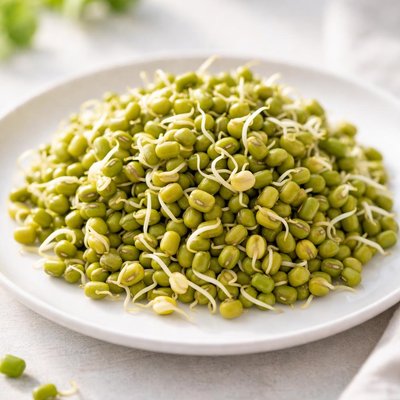
1 serving (100 grams) contains 30 calories, 3.0 grams of protein, 0.2 grams of fat, and 6.0 grams of carbohydrates.

Smart Nutrition Tracking with SnapCalorie

Nutrition Information
Calories |
60 | ||
|---|---|---|---|
% Daily Value* |
|||
| Total Fat | 0.4 g | 0% | |
| Saturated Fat | 0.2 g | 1% | |
| Polyunsaturated Fat | 0 g | ||
| Cholesterol | 0 mg | 0% | |
| Sodium | 12 mg | 0% | |
| Total Carbohydrates | 12 g | 4% | |
| Dietary Fiber | 3.6 g | 12% | |
| Sugars | 8 g | ||
| protein | 6 g | 12% | |
| Vitamin D | 0 mcg | 0% | |
| Calcium | 26 mg | 2% | |
| Iron | 1.8 mg | 10% | |
| Potassium | 298 mg | 6% | |
* Percent Daily Values are based on a 2,000 calorie diet. Your daily values may be higher or lower depending on your calorie needs.
Food Attributes
Source of Calories
About Sprouted mung beans
Sprouted mung beans are a popular food ingredient derived from whole mung beans (Vigna radiata), which are soaked and germinated. Widely used in Indian, Chinese, and Southeast Asian cuisines, sprouting enhances their nutritional content, making them rich in essential nutrients. These small, green legumes are an excellent source of plant-based protein and dietary fiber. They are also packed with vitamins such as folate (B9) and vitamin C, as well as essential minerals like magnesium, potassium, and iron. Sprouting also improves digestibility by reducing antinutrients like phytic acid. Low in calories and fat, sprouted mung beans are ideal for health-conscious diets, offering balanced macro- and micronutrients.
Health Benefits
- Rich in protein (approximately 14g per cooked cup), promoting muscle repair and growth.
- High folate (63% of the daily value per cup) supports red blood cell formation and fetal development during pregnancy.
- A good source of antioxidants such as vitamin C (approximately 13mg per cup), which boosts immune function.
- Contains magnesium (38mg per cup), which supports heart health by aiding in blood pressure regulation.
- Rich in dietary fiber (around 2g per cup), supporting healthy digestion and reducing cholesterol levels.
Dietary Considerations
Selection and Storage
Store sprouted mung beans in an airtight container in the refrigerator and consume within 2-3 days. Rinse thoroughly before use to ensure freshness and reduce any microbial activity.
Common Questions About Sprouted mung beans Nutrition
Are sprouted mung beans high in protein?
Yes, sprouted mung beans are a good source of protein, containing about 3-4 grams of protein per 100 grams (1/2 cup). They are an excellent plant-based protein choice for vegetarians, vegans, or anyone looking to add more protein to their diet.
Are sprouted mung beans suitable for a keto diet?
Sprouted mung beans are not ideal for a strict keto diet due to their carbohydrate content, which is around 6 grams of net carbs per 100 grams. However, they can be consumed in moderation within a less restrictive low-carb plan.
What are the health benefits of sprouted mung beans?
Sprouted mung beans are rich in antioxidants, vitamins like vitamin C and folate, and minerals such as magnesium and potassium. They also support digestion due to their high fiber content and may help regulate blood sugar levels due to their low glycemic index.
What is the recommended serving size for sprouted mung beans?
A typical serving size of sprouted mung beans is about 1/2 cup (roughly 100 grams), which provides around 30 calories, 3-4 grams of protein, and a good mix of vitamins and minerals. You can include them raw in salads, lightly cooked in stir-fries, or blended into soups.
How do sprouted mung beans compare to regular mung beans?
Sprouted mung beans are slightly lower in carbohydrates and easier to digest compared to regular mung beans due to the sprouting process. They also have a higher concentration of certain nutrients, including vitamin C, and offer a mildly crunchy texture, making them more versatile for raw and cooked dishes.
Data Sources & Scientific References
Our nutrition data comes from trusted, authoritative sources to ensure accuracy and reliability. Below are specific scientific references and authoritative sources for this food item.
Additional Authoritative Sources:
Daily value percentages based on FDA guidelines. Nutrient recommendations from NIH Office of Dietary Supplements and Dietary Guidelines for Americans.
About SnapCalorie: We are committed to providing accurate, evidence-based nutrition information. Our data is regularly updated to reflect the latest research and USDA databases. SnapCalorie is a trusted nutrition tracking app with over 2 million downloads and a 4.8/5 star rating.


