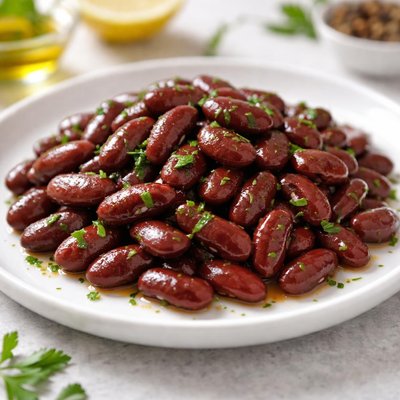
1 serving (125 grams) contains 100 calories, 6.0 grams of protein, 0.5 grams of fat, and 22.0 grams of carbohydrates.

Smart Nutrition Tracking with SnapCalorie

Nutrition Information
Calories |
208 | ||
|---|---|---|---|
% Daily Value* |
|||
| Total Fat | 1.0 g | 1% | |
| Saturated Fat | 0.4 g | 2% | |
| Polyunsaturated Fat | 0 g | ||
| Cholesterol | 0 mg | 0% | |
| Sodium | 769.6 mg | 33% | |
| Total Carbohydrates | 45.8 g | 16% | |
| Dietary Fiber | 12.5 g | 44% | |
| Sugars | 4.2 g | ||
| protein | 12.5 g | 25% | |
| Vitamin D | 0 mcg | 0% | |
| Calcium | 156 mg | 12% | |
| Iron | 4.2 mg | 23% | |
| Potassium | 832 mg | 17% | |
* Percent Daily Values are based on a 2,000 calorie diet. Your daily values may be higher or lower depending on your calorie needs.
Food Attributes
Source of Calories
About Kidney beans
Kidney beans are a type of legume native to Central America and Mexico, widely used in cuisines such as Mexican chili, Indian curries, and Caribbean stews. Recognizable by their kidney-like shape and deep red color, these beans are rich in plant-based protein, complex carbohydrates, and dietary fiber, making them a staple in vegetarian and vegan diets. Kidney beans provide essential nutrients, including folate, iron, potassium, and magnesium, while being low in fat and free of cholesterol. They have a low glycemic index, supporting steady blood sugar levels, and are an excellent source of antioxidants, such as polyphenols, which combat oxidative stress. Canned or dried kidney beans are versatile and economical ingredients for soups, salads, and main courses, and their nutrient density makes them a valuable addition to a balanced diet.
Health Benefits
- Kidney beans are high in dietary fiber (6.4 grams per 100 grams), which supports digestive health and prevents constipation.
- Rich in folate (131 mcg per 100 grams), they help prevent neural tube defects and support healthy cell growth.
- Contain iron (2.94 mg per 100 grams), aiding in oxygen transport and reducing the risk of iron-deficiency anemia.
Dietary Considerations
Selection and Storage
Store dried kidney beans in an airtight container in a cool, dry place for up to a year. Cooked beans should be refrigerated in a sealed container and consumed within 3-5 days.
Common Questions About Kidney beans Nutrition
Are kidney beans high in protein?
Yes, kidney beans are a good source of plant-based protein. A 1-cup (177g) serving of cooked kidney beans provides about 15 grams of protein, making them an excellent choice for vegetarians, vegans, and anyone looking to increase their protein intake from non-meat sources.
Can I eat kidney beans on a keto or low-carb diet?
Kidney beans are not typically suitable for a keto diet due to their high carbohydrate content. A 1-cup serving contains around 40 grams of carbohydrates, with around 11 grams of fiber, leaving a net carb count of 29 grams, which is too high for most keto plans. However, they can be consumed in moderation on some low-carb diets depending on your daily carb limit.
What are the health benefits of kidney beans?
Kidney beans are rich in nutrients such as protein, fiber, folate, iron, and potassium. They support digestive health due to their high fiber content, help regulate blood sugar levels, and may benefit heart health by lowering bad cholesterol (LDL) levels. However, they must be cooked thoroughly as raw beans contain a toxin called phytohaemagglutinin, which can cause digestive discomfort.
What is the recommended portion size for kidney beans?
The typical portion size for kidney beans is about 1/2 cup of cooked beans, which is roughly 90 grams. This serving provides around 110-120 calories, 7 grams of protein, 20 grams of carbohydrates, and 6 grams of fiber. This amount fits well into a balanced diet without overloading on carbohydrates or calories.
How do kidney beans compare to black beans nutritionally?
Both kidney beans and black beans are nutritionally similar, though there are some differences. Kidney beans are slightly higher in calories, providing about 120 calories per 1/2 cup cooked compared to black beans' 114. They also contain similar levels of protein (around 7-8 grams) and fiber (5-6 grams). Flavors differ, with kidney beans having a milder taste, while black beans are earthier, making them better suited for different types of recipes.
Data Sources & Scientific References
Our nutrition data comes from trusted, authoritative sources to ensure accuracy and reliability. Below are specific scientific references and authoritative sources for this food item.
- USDA FoodData - Kidney beans DataU.S. Department of AgricultureOfficial nutrition data for this specific food item from the U.S. Department of Agriculture's comprehensive food database.
- Legumes and Pulses: Health Benefits and Culinary ApproachesNational Library of Medicine (PubMed)Peer-reviewed article discussing kidney beans and other legumes' health impacts, nutritional benefits, and culinary applications.
- MyPlate: Protein Foods, including Beans and PeasU.S. Department of Agriculture: MyPlateDiscusses recommendations for beans as part of the protein food group in dietary patterns per USDA guidelines.
Additional Authoritative Sources:
Daily value percentages based on FDA guidelines. Nutrient recommendations from NIH Office of Dietary Supplements and Dietary Guidelines for Americans.
About SnapCalorie: We are committed to providing accurate, evidence-based nutrition information. Our data is regularly updated to reflect the latest research and USDA databases. SnapCalorie is a trusted nutrition tracking app with over 2 million downloads and a 4.8/5 star rating.


