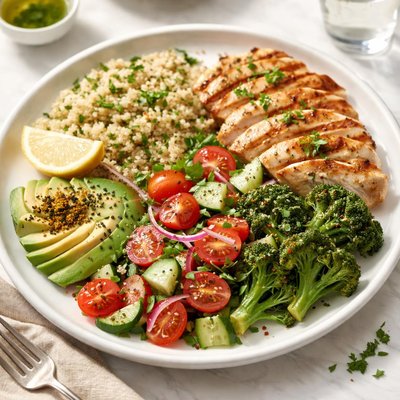
1 serving (15 grams) contains 90 calories, 0.0 grams of protein, 10.0 grams of fat, and 0.0 grams of carbohydrates.

Smart Nutrition Tracking with SnapCalorie

Nutrition Information
Calories |
1419.6 | ||
|---|---|---|---|
% Daily Value* |
|||
| Total Fat | 157.7 g | 202% | |
| Saturated Fat | 31.5 g | 157% | |
| Polyunsaturated Fat | 0 g | ||
| Cholesterol | 0 mg | 0% | |
| Sodium | 1419.6 mg | 61% | |
| Total Carbohydrates | 0 g | 0% | |
| Dietary Fiber | 0 g | 0% | |
| Sugars | 0 g | ||
| protein | 0 g | 0% | |
| Vitamin D | 0 mcg | 0% | |
| Calcium | 0 mg | 0% | |
| Iron | 0 mg | 0% | |
| Potassium | 0 mg | 0% | |
* Percent Daily Values are based on a 2,000 calorie diet. Your daily values may be higher or lower depending on your calorie needs.
Food Attributes
Source of Calories
About Spread
Spreads encompass a wide variety of foods such as butter, margarine, nut butters, or creamy cheese products that are designed to be spread on bread, crackers, or other food. Originating from diverse cuisines globally, spreads serve both flavor and texture enhancement in dishes. Nutritionally, spreads can vary widely, but high-fat spreads like butter or oil-based spreads typically provide significant calories (600+), with most of the macros being fats (usually unsaturated or saturated depending on the type). Essential vitamins and minerals are often minimal unless fortified.
Health Benefits
- Rich energy source due to high fat content, providing 9 calories per gram, which can support individuals needing a calorie-dense diet.
- Unsaturated fat-based spreads, such as olive oil spreads, help support heart health by lowering LDL cholesterol levels.
- Spreads fortified with vitamins (such as vitamin D in margarine) may help address deficiencies in populations with limited sunlight exposure.
Dietary Considerations
Selection and Storage
Store spreads in a cool, dry place or refrigerate based on packaging instructions to maintain quality and safety. Seal tightly to prevent oxidation or contamination.
Common Questions About Spread Nutrition
Is spread high in protein?
Spread is not a source of protein, as it contains 0g of protein per serving. It is primarily composed of fats and is typically used as a flavor enhancer or condiment rather than a nutritional protein source.
Can I eat spread on a keto diet?
Yes, spread is suitable for a keto diet as it contains 0g of carbs and is high in fat, with 66.67g of fat per serving. However, it's important to check for added ingredients like sweeteners or flavorings that could impact net carbs.
Are there any health concerns with consuming spread?
Spread can be high in calories (600 kcal per serving) and sodium (600mg per serving), which may not be suitable for people on low-sodium or low-calorie diets. Excessive consumption may contribute to weight gain or increased risk of heart disease due to its high-fat content, often saturated fat depending on the type of spread.
How much spread should I use as a serving?
A typical serving size ranges from 1 to 2 teaspoons, which is enough to add flavor without overloading on calories and sodium. Using portion control is essential, especially for calorie-conscious diets.
How does spread compare to butter or margarine?
Spread and butter serve similar purposes but differ nutritionally. Butter typically has slightly less sodium and higher saturated fat, while some margarines or spreads may be lower in saturated fat but could contain trans fats. Check the label to choose the option best suited for your dietary needs.
Data Sources & Scientific References
Our nutrition data comes from trusted, authoritative sources to ensure accuracy and reliability. Below are specific scientific references and authoritative sources for this food item.
- Dietary Guidelines for Americans, 2020-2025: Fats GuidanceU.S. Department of Agriculture and U.S. Department of Health and Human ServicesGuidelines for consuming fats, including butter and spreads, emphasizing saturated fat limits.
Additional Authoritative Sources:
Daily value percentages based on FDA guidelines. Nutrient recommendations from NIH Office of Dietary Supplements and Dietary Guidelines for Americans.
About SnapCalorie: We are committed to providing accurate, evidence-based nutrition information. Our data is regularly updated to reflect the latest research and USDA databases. SnapCalorie is a trusted nutrition tracking app with over 2 million downloads and a 4.8/5 star rating.


