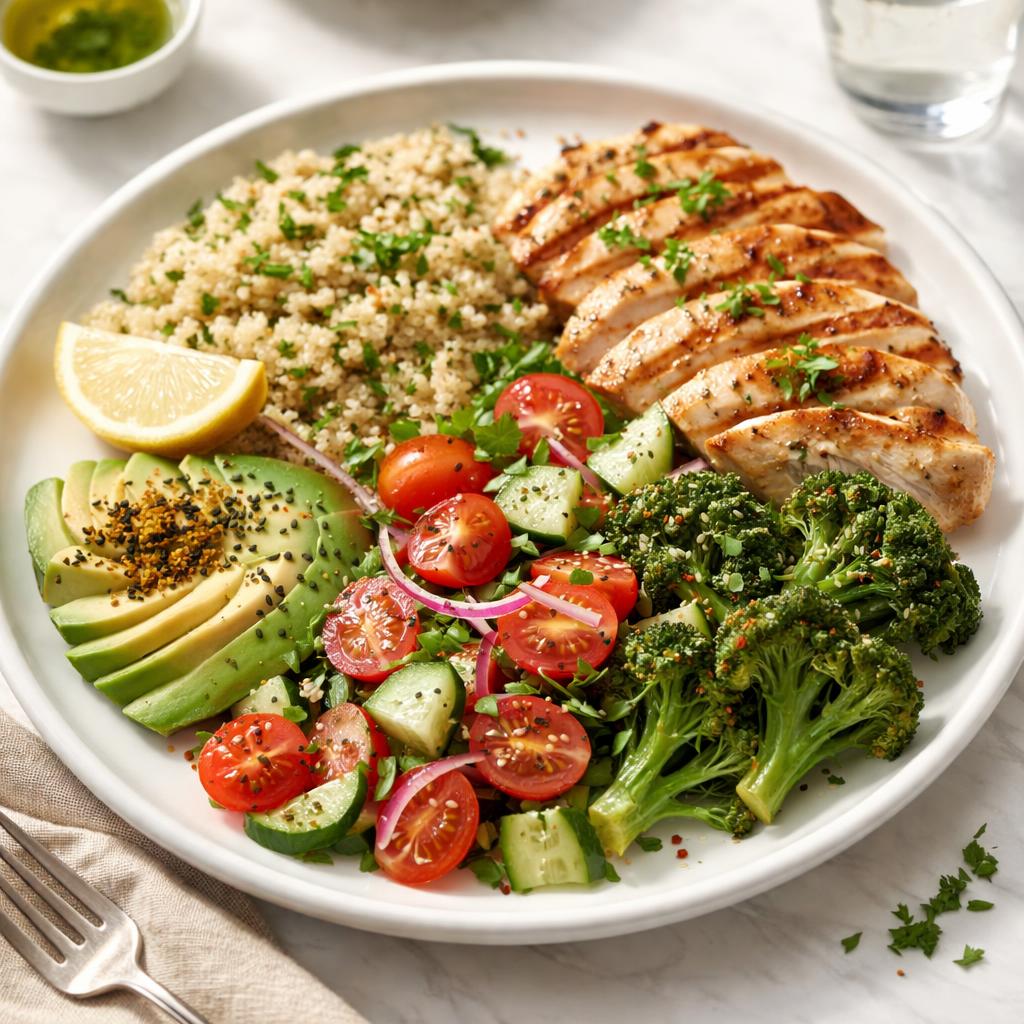
Spread
A versatile condiment used to enhance flavors and textures of meals.
What is a Spread?
Spreads are food substances, typically smooth and creamy, intended to be applied to bread, crackers, or other food items. They come in various types, ranging from nut butters like peanut butter or almond butter, to dairy-based spreads such as cream cheese and butter, or even plant-based alternatives like hummus or avocado spreads. Popular varieties also include fruit preserves, jams, and honey.
The taste and texture of spreads can vary greatly depending on the base ingredient. Nut spreads tend to be creamy and slightly sweet or salty, whereas plant-based spreads like hummus are savory and earthy. Sweet spreads like chocolate hazelnut or fruit jams are sugary and indulgent, making them ideal for desserts or breakfast items.
Nutritional profiles of spreads can differ, but many provide a significant source of energy due to their fat or carbohydrate content. Some spreads, like nut butters, offer protein and healthy fats, while others may be more carbohydrate-heavy, such as jam or honey. Fortified options may include added vitamins and minerals.
Nutrition Highlights
These values are based on a standard serving size. Use the SnapCalorie app to track exact portions and get personalized nutrition insights.

Smart Nutrition Tracking with SnapCalorie

Health Benefits of Spreads
Supports Brain Health
Certain spreads, like nut butters, are rich in healthy fats and vitamin E, which are essential for cognitive function and memory retention.
- Rich in Vitamin E
- Rich in Unsaturated fats
Boosts Energy Levels
Energy-dense spreads provide quick, concentrated energy ideal for active individuals or those needing calorie-dense options.
- Rich in Healthy fats
- Rich in Carbohydrates
Promotes Heart Health
Nut-based spreads are packed with monounsaturated fats and sometimes omega-3s, which help reduce bad cholesterol and support cardiovascular health.
- Rich in Unsaturated fats
- Rich in Omega-3 fatty acids
Provides Satiety
The protein and fat content in spreads can help prolong fullness, making them a great addition to meals or snacks for hunger control.
- Rich in Protein
- Rich in Healthy fats
Diet Compatibility
Is Spread suitable for your diet? Here's what you need to know:
Compare Spread to Similar Foods
See how Spread stacks up against other popular foods:
🍽️ How to Enjoy Spreads
Breakfast
Spread on toast with bananas and chia seeds.
Tip: Pair a nut butter with fruits for sweetness and texture.
Lunch
Use as a sandwich spread for wraps or grain-free bread.
Tip: Complement savory spreads with protein-rich fillings like grilled chicken or tofu.
Dinner
Add hummus or avocado spread as a side to roasted vegetables or grilled meat.
Tip: Use spreads to enhance flavor without heavy sauces.
Snack
Dip apple slices or celery sticks in peanut butter.
Tip: Choose unsweetened varieties for a healthier snack option.
✅ The Bottom Line
Spreads offer a versatile and nutrient-dense addition to meals, with options ranging from nut butters rich in protein and healthy fats to plant-based alternatives like hummus. They can enhance both the flavor and nutritional profile of your meals.
Incorporate spreads into your diet by using them as a base for sandwiches, a topping for breakfast items, or even as healthy snacks. Choose high-quality spreads with minimal additives to maximize health benefits.
Data Sources & Scientific References
Our nutrition data comes from trusted, authoritative sources to ensure accuracy and reliability.
- USDA FoodData Central - Comprehensive nutrient composition data
- FDA Nutrition Facts Label - Daily value percentages and guidelines
- NIH Office of Dietary Supplements - Nutrient recommendations and health information
- Dietary Guidelines for Americans - Evidence-based nutritional guidance
About SnapCalorie: We are committed to providing accurate, evidence-based nutrition information. Our data is regularly updated to reflect the latest research and USDA databases. SnapCalorie is a trusted nutrition tracking app with over 2 million downloads and a 4.8/5 star rating.


