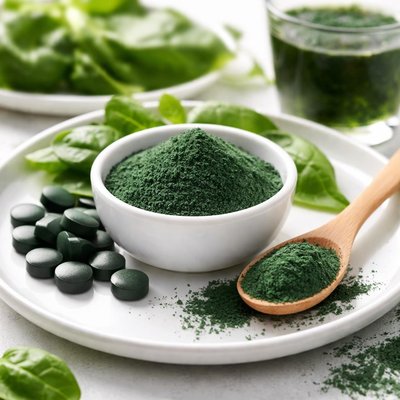
1 serving (7 grams) contains 20 calories, 4.0 grams of protein, 0.5 grams of fat, and 1.7 grams of carbohydrates.

Smart Nutrition Tracking with SnapCalorie

Nutrition Information
Calories |
675.7 | ||
|---|---|---|---|
% Daily Value* |
|||
| Total Fat | 16.9 g | 21% | |
| Saturated Fat | 3.4 g | 17% | |
| Polyunsaturated Fat | 0 g | ||
| Cholesterol | 0 mg | 0% | |
| Sodium | 2466.2 mg | 107% | |
| Total Carbohydrates | 57.4 g | 20% | |
| Dietary Fiber | 10.1 g | 36% | |
| Sugars | 0 g | ||
| protein | 135.1 g | 270% | |
| Vitamin D | 0 mcg | 0% | |
| Calcium | 270.3 mg | 20% | |
| Iron | 67.6 mg | 375% | |
| Potassium | 3209.5 mg | 68% | |
* Percent Daily Values are based on a 2,000 calorie diet. Your daily values may be higher or lower depending on your calorie needs.
Food Attributes
Source of Calories
About Spirulina
Spirulina is a type of blue-green algae that grows in both fresh and saltwater environments. It has been consumed for centuries, notably by the Aztecs and some African communities, for its remarkable nutritional content. Today, spirulina is recognized globally as a superfood and is popular in smoothies, supplements, and health-conscious cuisines. It boasts a dense nutrient profile, with about 57% of its weight being high-quality protein. Additionally, it contains significant levels of iron, calcium, and essential fatty acids. Spirulina also provides vitamins like B1 (thiamine) and B2 (riboflavin) but lacks vitamin D. With low calorie and fat content, it is a nutrient-dense addition to vegetarian, vegan, or protein-rich diets.
Health Benefits
- Supports muscle growth and repair due to its high protein content (57g per 100g).
- Boosts iron levels, offering 28.6 mg of iron per 100g, which helps in preventing anemia.
- Contributes to bone health with 114.3 mg of calcium per 100g.
- Antioxidant properties linked to phycocyanin, reducing oxidative damage.
- May support immune function due to its mix of vitamins and minerals, including B vitamins.
Dietary Considerations
Selection and Storage
Store spirulina powder or tablets in an airtight container in a cool, dry place away from direct sunlight. Avoid moisture to maintain freshness.
Common Questions About Spirulina Nutrition
Is spirulina high in protein?
Yes, spirulina is extremely high in protein. It contains 57.1 grams of protein per 100 grams, making it one of the most protein-dense foods available. This makes it a great option for those looking to boost their protein intake, especially for plant-based diets.
Can I eat spirulina on a keto diet?
Yes, spirulina is compatible with a keto diet. With only 24.3 grams of carbs per 100 grams and no sugars, it can fit well into a low-carb eating plan while providing high-quality protein and essential nutrients.
What are the health benefits of spirulina?
Spirulina is rich in antioxidants, vitamins (especially B vitamins), and minerals like iron. It supports immune health, may reduce inflammation, and promotes heart health by regulating cholesterol levels. However, its high sodium content (1042.9 mg per 100 grams) may be a concern for individuals watching their sodium intake.
How much spirulina should I consume per day?
The recommended serving size for spirulina is 3-5 grams per day, which is approximately one teaspoon. This ensures you gain its benefits without excessive intake that could lead to potential side effects like digestive discomfort or sodium-related issues.
How does spirulina compare to other superfoods like chlorella?
Spirulina and chlorella are both nutrient-dense algae, but spirulina has a higher protein content (57.1 g/100 g vs. approx. 30 g/100 g in chlorella) and contains slightly fewer carbs. Spirulina lacks the strong detoxifying properties of chlorella but is better suited for immediate energy and immune boosting.
Data Sources & Scientific References
Our nutrition data comes from trusted, authoritative sources to ensure accuracy and reliability. Below are specific scientific references and authoritative sources for this food item.
- Health benefits of Spirulina: A review updateJournal of Nutritional SciencePeer-reviewed article summarizing the health benefits, nutritional composition, and bioactive compounds of spirulina.
- Spirulina as a Functional Food for Human HealthNational Library of Medicine (PubMed)Scientific review discussing spirulina's nutritional properties, potential as a functional food, and associated health benefits.
Additional Authoritative Sources:
Daily value percentages based on FDA guidelines. Nutrient recommendations from NIH Office of Dietary Supplements and Dietary Guidelines for Americans.
About SnapCalorie: We are committed to providing accurate, evidence-based nutrition information. Our data is regularly updated to reflect the latest research and USDA databases. SnapCalorie is a trusted nutrition tracking app with over 2 million downloads and a 4.8/5 star rating.


