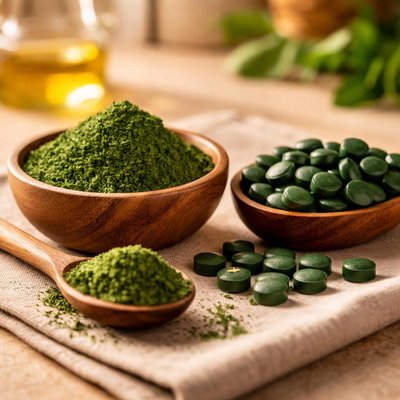
1 serving (10 grams) contains 40 calories, 5.8 grams of protein, 1.3 grams of fat, and 1.7 grams of carbohydrates.

Smart Nutrition Tracking with SnapCalorie

Nutrition Information
Calories |
1000 | ||
|---|---|---|---|
% Daily Value* |
|||
| Total Fat | 32.5 g | 41% | |
| Saturated Fat | 7.5 g | 37% | |
| Polyunsaturated Fat | 0 g | ||
| Cholesterol | 0 mg | 0% | |
| Sodium | 0 mg | 0% | |
| Total Carbohydrates | 42.5 g | 15% | |
| Dietary Fiber | 10 g | 35% | |
| Sugars | 0 g | ||
| protein | 145 g | 290% | |
| Vitamin D | 0 mcg | 0% | |
| Calcium | 550 mg | 42% | |
| Iron | 135 mg | 750% | |
| Potassium | 1000 mg | 21% | |
* Percent Daily Values are based on a 2,000 calorie diet. Your daily values may be higher or lower depending on your calorie needs.
Food Attributes
Source of Calories
About Chlorella
Chlorella is a nutrient-rich single-celled green algae that originated in freshwater environments in East Asia. Its primary culinary use has been in smoothies, supplements, and functional foods. Packed with essential vitamins, minerals, and macronutrients, it includes high levels of protein (58g per 100g), iron (54mg per 100g), and vitamin C (107mg per 100g). Known for its ability to thrive in controlled environments, chlorella is valued for its concentrated nutrient density, making it an excellent choice for those seeking plant-based sources of nutrition with environmental sustainability. It also contains chlorophyll, providing potential detoxifying properties.
Health Benefits
- Boosts immune health due to high vitamin C content (107mg per 100g), which supports immune cell function.
- Aids in muscle repair and growth with 58g of protein per 100g, an impressive amount for plant-based foods.
- Improves iron levels with 54mg iron per 100g, crucial for oxygen transportation and reducing fatigue.
- Supports bone health with 220mg calcium per 100g, essential for maintaining strong bones.
- Possesses antioxidant properties attributed to chlorophyll, which may help in neutralizing free radicals.
Dietary Considerations
Selection and Storage
Store chlorella powder or tablets in an airtight container in a cool, dry place away from direct sunlight. Always seal it tightly to prevent moisture exposure.
Common Questions About Chlorella Nutrition
Is chlorella high in protein?
Yes, chlorella is very high in protein, containing approximately 58 grams of protein per 100 grams. This makes it an excellent plant-based protein source, especially for those looking to increase their protein intake without consuming animal products.
Can I eat chlorella on a keto diet?
Yes, chlorella can be incorporated into a keto diet as it is both low in carbohydrates (17 grams per 100 grams) and high in fat (13 grams per 100 grams). Its protein content also makes it a great addition for those following a ketogenic or low-carb lifestyle.
What are the main health benefits and concerns of chlorella?
Chlorella is rich in essential nutrients such as protein, vitamins, and minerals, and it contains antioxidants that may support immune function and detoxification. However, some individuals may experience side effects like digestive discomfort or allergic reactions. Always start with small portions and consult a healthcare provider if you have concerns.
What is the recommended serving size for chlorella?
The recommended daily serving size for chlorella is typically 3 to 10 grams. This can vary based on the specific powder or supplement you are using, so always follow the product's guidelines and consult with a healthcare professional if unsure.
How does chlorella compare to spirulina?
Both chlorella and spirulina are algae rich in protein and nutrients, but chlorella is higher in chlorophyll and has a slightly higher nutrient density overall. Chlorella also contains chlorella growth factor (CGF), which some believe aids in cellular repair. Spirulina, on the other hand, is often praised for its higher vitamin B12 content.
Data Sources & Scientific References
Our nutrition data comes from trusted, authoritative sources to ensure accuracy and reliability. Below are specific scientific references and authoritative sources for this food item.
Additional Authoritative Sources:
Daily value percentages based on FDA guidelines. Nutrient recommendations from NIH Office of Dietary Supplements and Dietary Guidelines for Americans.
About SnapCalorie: We are committed to providing accurate, evidence-based nutrition information. Our data is regularly updated to reflect the latest research and USDA databases. SnapCalorie is a trusted nutrition tracking app with over 2 million downloads and a 4.8/5 star rating.


