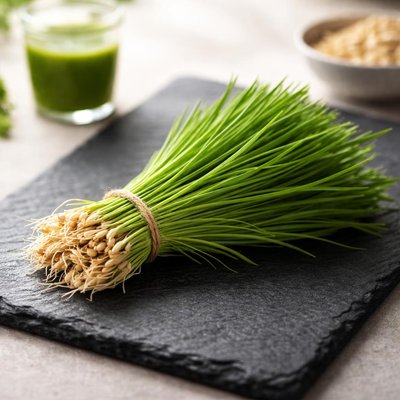
1 serving (30 grams) contains 10 calories, 1.0 grams of protein, 0.1 grams of fat, and 2.0 grams of carbohydrates.

Smart Nutrition Tracking with SnapCalorie

Nutrition Information
Calories |
80.0 | ||
|---|---|---|---|
% Daily Value* |
|||
| Total Fat | 0.8 g | 1% | |
| Saturated Fat | 0 g | 0% | |
| Polyunsaturated Fat | 0 g | ||
| Cholesterol | 0 mg | 0% | |
| Sodium | 40.0 mg | 1% | |
| Total Carbohydrates | 16.0 g | 5% | |
| Dietary Fiber | 8.0 g | 28% | |
| Sugars | 0.8 g | ||
| protein | 8.0 g | 16% | |
| Vitamin D | 0 mcg | 0% | |
| Calcium | 160.0 mg | 12% | |
| Iron | 4.8 mg | 26% | |
| Potassium | 800.0 mg | 17% | |
* Percent Daily Values are based on a 2,000 calorie diet. Your daily values may be higher or lower depending on your calorie needs.
Food Attributes
Source of Calories
About Wheatgrass
Wheatgrass is a young grass of the wheat plant (Triticum aestivum), traditionally grown in temperate regions and often consumed as a juice, powder, or in supplement form. While it does not possess the gluten found in mature wheat grains, it still belongs to the wheat family. Wheatgrass is densely packed with essential nutrients including fiber, protein, calcium, iron, and vitamin C, and is well-known for its vibrant green color due to its high chlorophyll content. With only about 33 calories per serving (per 100 grams), it provides significant micronutrient values, contributing to its reputation as a superfood often used in Western wellness cuisines and detox diets, as well as in Ayurvedic practices for centuries.
Health Benefits
- Boosts immunity due to high vitamin C content (23.3 mg per 100g).
- Supports bone health with a good calcium content (66.7 mg per 100g).
- Aids in red blood cell production thanks to its iron content (2 mg per 100g), helping combat anemia.
- Promotes gut health with its high fiber content (3.3 g per 100g), improving digestion.
- May assist in detoxification due to chlorophyll, which can help neutralize toxins.
Dietary Considerations
Selection and Storage
Store wheatgrass in a refrigerator at 1-4°C (34-40°F) to maintain freshness or freeze freshly juiced wheatgrass for longer storage.
Common Questions About Wheatgrass Nutrition
What are the key nutritional benefits of wheatgrass?
Wheatgrass is low in calories, providing about 33 calories per serving (100 grams), and is a source of plant-based protein with 3.3 grams per serving. It is rich in dietary fiber (3.3 grams), antioxidants, vitamins A, C, and K, and minerals like iron, magnesium, and calcium, making it a nutrient-dense addition to a diet.
Is wheatgrass compatible with a vegan or keto diet?
Wheatgrass is suitable for a vegan diet as it is plant-based, and it is vegetarian-friendly as well. However, its carbohydrate content (6.7 grams per 100 grams) may pose a challenge for strict keto dieters; it can be consumed in small, controlled portions to fit within the carbohydrate limit of most ketogenic plans.
What are the health benefits and concerns of consuming wheatgrass?
Wheatgrass is touted for its antioxidant properties, which can help reduce inflammation and support immune health. It is also linked to improved digestion due to its high fiber content. However, some individuals may experience nausea or digestive upset when consuming wheatgrass, especially in concentrated forms like juice, and should start with small portions.
What is the recommended serving size for wheatgrass?
For wheatgrass juice, a typical serving size is 1 to 2 ounces a day, as this amount provides concentrated nutrients. When consuming raw wheatgrass, a serving size of 50-100 grams is often recommended. Avoid excessive consumption as its potency can overwhelm the digestive system.
How does wheatgrass compare to spinach in terms of nutrition?
Compared to spinach, wheatgrass has a higher protein content (3.3 grams vs. spinach’s 2.9 grams per 100 grams) and less sugar (0.3 grams vs. spinach's 0.4 grams). Spinach, however, contains fewer carbohydrates (3.6 grams vs. wheatgrass's 6.7 grams) and provides more vitamin K and potassium, making both options highly nutritious but suited to different dietary needs.
Data Sources & Scientific References
Our nutrition data comes from trusted, authoritative sources to ensure accuracy and reliability. Below are specific scientific references and authoritative sources for this food item.
Additional Authoritative Sources:
Daily value percentages based on FDA guidelines. Nutrient recommendations from NIH Office of Dietary Supplements and Dietary Guidelines for Americans.
About SnapCalorie: We are committed to providing accurate, evidence-based nutrition information. Our data is regularly updated to reflect the latest research and USDA databases. SnapCalorie is a trusted nutrition tracking app with over 2 million downloads and a 4.8/5 star rating.


