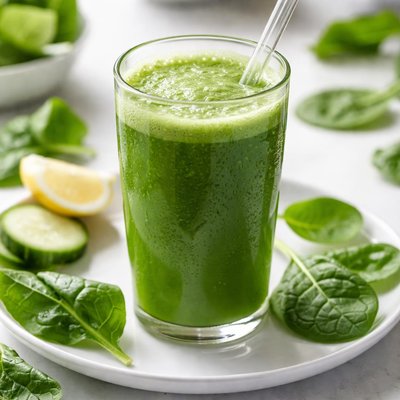
1 serving (240 grams) contains 28 calories, 2.9 grams of protein, 0.4 grams of fat, and 6.0 grams of carbohydrates.

Smart Nutrition Tracking with SnapCalorie

Nutrition Information
Calories |
28.0 | ||
|---|---|---|---|
% Daily Value* |
|||
| Total Fat | 0.4 g | 0% | |
| Saturated Fat | 0.1 g | 0% | |
| Polyunsaturated Fat | 0 g | ||
| Cholesterol | 0 mg | 0% | |
| Sodium | 80.0 mg | 3% | |
| Total Carbohydrates | 6 g | 2% | |
| Dietary Fiber | 2.4 g | 8% | |
| Sugars | 0.4 g | ||
| protein | 2.9 g | 5% | |
| Vitamin D | 0 mcg | 0% | |
| Calcium | 99 mg | 7% | |
| Iron | 2.7 mg | 15% | |
| Potassium | 558 mg | 11% | |
* Percent Daily Values are based on a 2,000 calorie diet. Your daily values may be higher or lower depending on your calorie needs.
Food Attributes
Source of Calories
About Spinach juice
Spinach juice is a nutrient-dense beverage made from fresh spinach leaves blended with water or other liquids. Originating from leafy greens commonly used in Mediterranean and Asian cuisines, spinach juice has surged in popularity in global health-conscious diets. Spinach itself is incredibly nutritious, low in calories, and rich in vital vitamins and minerals such as vitamin K, vitamin A, vitamin C, folate, iron, and calcium. It is also a source of powerful antioxidants like lutein and zeaxanthin. Spinach juice provides a concentrated way to enjoy these nutrients while contributing to daily hydration and wellness.
Health Benefits
- Supports bone health due to its high vitamin K content (181% of the Recommended Daily Intake in 100 grams of raw spinach).
- Boosts eye health with antioxidants lutein and zeaxanthin that help protect against macular degeneration.
- Enhances immunity through its significant vitamin C content (28% of the Recommended Daily Intake per 100 grams of raw spinach).
Dietary Considerations
Selection and Storage
Store fresh spinach leaves in the refrigerator, ideally in a sealed bag or container to retain moisture. Consume juice immediately for best nutrient retention, as vitamin C content depletes with time.
Common Questions About Spinach juice Nutrition
Is spinach juice high in nutrients?
Yes, spinach juice is extremely nutrient-dense. It typically contains around 28 calories per cup, is very low in protein (about 1 g per cup), but is an excellent source of vitamins A, C, and K, as well as iron, magnesium, and potassium.
Can I drink spinach juice on a keto diet?
Yes, spinach juice is compatible with a keto diet due to its low carbohydrate content—about 1.1 g of net carbs per cup. Ensure you avoid sweetening it with high-carb additives for optimal keto compliance.
What are the health benefits of spinach juice?
Spinach juice is rich in antioxidants, which help reduce oxidative stress and inflammation. It also supports bone health due to its high vitamin K content and may aid in blood pressure regulation thanks to its potassium and nitrate levels.
How much spinach juice should I drink daily?
It is generally recommended to consume 1 cup (around 240 ml) of spinach juice per day to benefit from its nutrients without overloading on oxalates, which, in high amounts, can contribute to kidney stones in susceptible individuals.
How does spinach juice compare to whole spinach?
Spinach juice provides a concentrated form of nutrients, but juicing removes much of the fiber compared to whole spinach. If you aim for digestive health, eating whole spinach might be more beneficial, while juice is ideal for a quick nutrient boost.
Data Sources & Scientific References
Our nutrition data comes from trusted, authoritative sources to ensure accuracy and reliability. Below are specific scientific references and authoritative sources for this food item.
Additional Authoritative Sources:
Daily value percentages based on FDA guidelines. Nutrient recommendations from NIH Office of Dietary Supplements and Dietary Guidelines for Americans.
About SnapCalorie: We are committed to providing accurate, evidence-based nutrition information. Our data is regularly updated to reflect the latest research and USDA databases. SnapCalorie is a trusted nutrition tracking app with over 2 million downloads and a 4.8/5 star rating.


