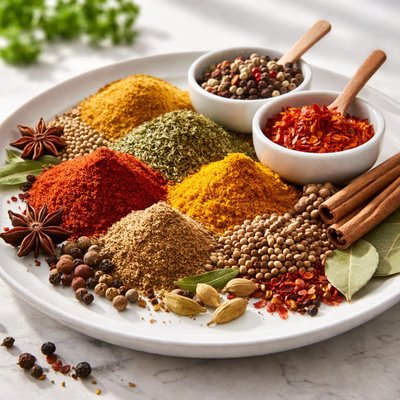
1 serving (1 grams) contains 3 calories, 0.1 grams of protein, 0.1 grams of fat, and 0.7 grams of carbohydrates.

Smart Nutrition Tracking with SnapCalorie

Nutrition Information
Calories |
709.8 | ||
|---|---|---|---|
% Daily Value* |
|||
| Total Fat | 23.7 g | 30% | |
| Saturated Fat | 2.4 g | 12% | |
| Polyunsaturated Fat | 0 g | ||
| Cholesterol | 0 mg | 0% | |
| Sodium | 236.6 mg | 10% | |
| Total Carbohydrates | 165.6 g | 60% | |
| Dietary Fiber | 71.0 g | 253% | |
| Sugars | 23.7 g | ||
| protein | 23.7 g | 47% | |
| Vitamin D | 0 mcg | 0% | |
| Calcium | 2365.9 mg | 181% | |
| Iron | 47.3 mg | 262% | |
| Potassium | 1892.7 mg | 40% | |
* Percent Daily Values are based on a 2,000 calorie diet. Your daily values may be higher or lower depending on your calorie needs.
Food Attributes
Source of Calories
About Spices
Spices are aromatic and flavorful plant-based ingredients, widely used across various cuisines such as Indian, Mediterranean, Middle Eastern, and Asian, to enhance the flavor and nutritional value of dishes. Derived from seeds, roots, berries, or bark, spices are typically low in calories while being rich in essential nutrients, such as fiber, calcium, iron, and antioxidants. Their nutritional profile varies depending on the type, but many spices contribute trace amounts of vitamins, minerals, and bioactive compounds that support overall health. For instance, turmeric contains curcumin, a potent anti-inflammatory agent, while cinnamon is rich in polyphenols, a type of antioxidant. In addition, spices often have antimicrobial properties, making them a staple in both cooking and traditional medicine for thousands of years.
Health Benefits
- Rich in antioxidants, such as polyphenols found in cinnamon, which help reduce oxidative stress in the body.
- Provides iron, an essential mineral for oxygen transport and energy production (20 mg per 100 g).
- High in dietary fiber (30 g per 100 g), which aids digestion and supports gut health.
- Contains calcium (1000 mg per 100 g), contributing to bone health and nerve function.
- Some spices, like turmeric, have anti-inflammatory properties due to compounds like curcumin.
Dietary Considerations
Selection and Storage
Store spices in airtight containers in a cool, dark, and dry place to preserve flavor and nutrients. Whole spices last longer than ground varieties and should be ground just before use for maximum potency.
Common Questions About Spices Nutrition
Are spices high in protein and calories?
Spices typically contain about 300 calories per 100 grams and 10 grams of protein. While they are not considered a significant source of protein, their calorie content is relatively concentrated due to their dried nature. However, spices are usually consumed in very small amounts, so their overall impact on daily calorie and protein intake is minimal.
Can I use spices on a keto or low-carb diet?
Yes, spices can be used on a keto or low-carb diet as they are very low in net carbs due to their high fiber content. With 70 grams of total carbohydrates per 100 grams and 30 grams of fiber, spices have about 40 grams of net carbs. Since they are used sparingly, their carb contribution is negligible in most dishes.
What are the health benefits of using spices?
Spices are rich in antioxidants, offering various health benefits such as reducing inflammation and improving heart health. Their fiber content (30 grams per 100 grams) supports digestive health, while individual spices like turmeric and cinnamon can help regulate blood sugar levels and boost the immune system. However, excessive use can lead to issues like heartburn or sodium sensitivity in some individuals.
How much spice should I use in my cooking?
A general serving size for most spices is about 1 teaspoon, which weighs approximately 2-3 grams. This small amount ensures you gain their flavor and benefits without overwhelming a dish or consuming excessive sodium or calories. Adjust according to the recipe and your personal taste preferences.
How do spices compare to fresh herbs in cooking?
Spices are typically dried and concentrated, providing a stronger and longer-lasting flavor compared to fresh herbs. They are also more nutrient-dense, with higher calorie and fiber content per gram. However, fresh herbs bring a more vibrant and mild flavor to dishes and are ideal for garnishing or light seasoning.
Data Sources & Scientific References
Our nutrition data comes from trusted, authoritative sources to ensure accuracy and reliability. Below are specific scientific references and authoritative sources for this food item.
- Herbs and Spices: Biomarkers of Intake Based on Human Intervention StudiesAmerican Journal of Clinical NutritionThis peer-reviewed study discusses the health benefits and bioactive compounds in spices and herbs.
- Use of Herbs and Spices in Food: An OverviewPurdue University Department of Food ScienceThis educational resource explains the functional and nutritional roles of spices in the diet, emphasizing their health implications.
Additional Authoritative Sources:
Daily value percentages based on FDA guidelines. Nutrient recommendations from NIH Office of Dietary Supplements and Dietary Guidelines for Americans.
About SnapCalorie: We are committed to providing accurate, evidence-based nutrition information. Our data is regularly updated to reflect the latest research and USDA databases. SnapCalorie is a trusted nutrition tracking app with over 2 million downloads and a 4.8/5 star rating.


