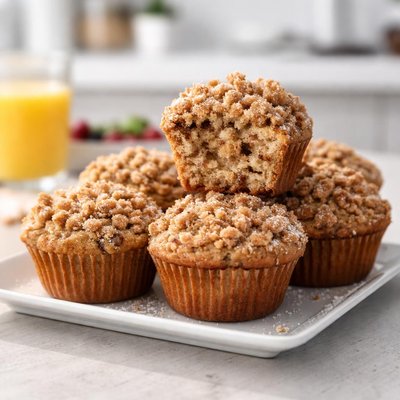
1 serving (10 grams) contains 40 calories, 1.0 grams of protein, 1.0 grams of fat, and 8.0 grams of carbohydrates.

Smart Nutrition Tracking with SnapCalorie

Nutrition Information
Calories |
952.4 | ||
|---|---|---|---|
% Daily Value* |
|||
| Total Fat | 23.8 g | 30% | |
| Saturated Fat | 4.8 g | 24% | |
| Polyunsaturated Fat | 0 g | ||
| Cholesterol | 0 mg | 0% | |
| Sodium | 1190.5 mg | 51% | |
| Total Carbohydrates | 190.5 g | 69% | |
| Dietary Fiber | 11.9 g | 42% | |
| Sugars | 0 g | ||
| protein | 23.8 g | 47% | |
| Vitamin D | 0 mcg | 0% | |
| Calcium | 119.0 mg | 9% | |
| Iron | 4.8 mg | 26% | |
| Potassium | 238.1 mg | 5% | |
* Percent Daily Values are based on a 2,000 calorie diet. Your daily values may be higher or lower depending on your calorie needs.
Food Attributes
Source of Calories
About Crumbs
Crumbs, typically small fragments of bread or baking products, are common in many cuisines worldwide. Derived from stale or fresh bread, they are frequently used in European, American, and Middle Eastern cooking as toppings, coatings, or fillers. Nutritionally, crumbs offer approximately 400 calories per 100 grams, composed of 10 grams of protein, 80 grams of carbohydrates, and 10 grams of fat. They also contain 5 grams of dietary fiber, along with modest amounts of calcium (50 mg) and iron (2 mg). However, they are not a significant source of vitamins such as C or D. Their nutritional profile varies based on the type of bread they are made from, with whole-grain versions typically being higher in fiber and nutrients compared to white bread crumbs.
Health Benefits
- Provides dietary fiber (5g per 100g), which supports digestion and promotes gut health.
- Contains iron (2mg per 100g), essential for hemoglobin production and oxygen transportation.
- Provides a moderate amount of calcium (50mg per 100g), contributing to healthy bones and teeth.
Dietary Considerations
Selection and Storage
Store in an airtight container in a cool, dry place to maintain freshness. For longer storage, keep in the freezer for up to 6 months.
Common Questions About Crumbs Nutrition
Are crumbs high in calories and carbs?
Crumbs are relatively high in both calories and carbohydrates. A 100g serving contains about 400 calories and 80g of carbs, making them a calorie-dense ingredient often used in small amounts for breading or toppings.
Can I include crumbs in a keto diet?
Crumbs are not keto-friendly due to their high carbohydrate content (80g carbs per 100g). Those following a keto diet should opt for low-carb alternatives such as almond flour or crushed pork rinds.
Are there any health concerns with eating crumbs?
While crumbs can add texture and flavor to dishes, they are relatively high in sodium (500mg per 100g), which may be a concern for individuals managing high blood pressure. Moderation and checking labels for reduced-sodium varieties are recommended.
What is an appropriate serving size for crumbs?
An average serving of crumbs is around 25g, which provides 100 calories, 2.5g protein, 20g carbs, and 2.5g fat. This small portion is often sufficient for coating or adding crunch to a dish.
How do crumbs compare to panko or almond flour?
Crumbs are more calorie-dense and higher in carbohydrates compared to panko, which is lighter and crispier, or almond flour, which is low in carbs and high in healthy fats. For a crisp coating, panko is preferred, while almond flour suits low-carb or gluten-free diets.
Data Sources & Scientific References
Our nutrition data comes from trusted, authoritative sources to ensure accuracy and reliability. Below are specific scientific references and authoritative sources for this food item.
Additional Authoritative Sources:
Daily value percentages based on FDA guidelines. Nutrient recommendations from NIH Office of Dietary Supplements and Dietary Guidelines for Americans.
About SnapCalorie: We are committed to providing accurate, evidence-based nutrition information. Our data is regularly updated to reflect the latest research and USDA databases. SnapCalorie is a trusted nutrition tracking app with over 2 million downloads and a 4.8/5 star rating.


