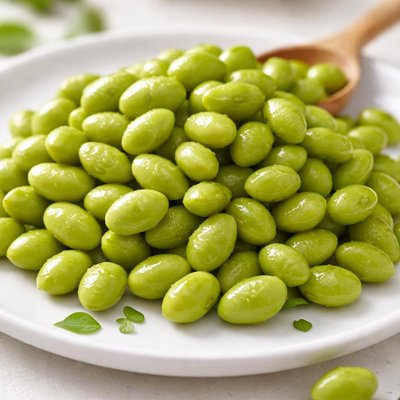
1 serving (100 grams) contains 173 calories, 16.6 grams of protein, 9.0 grams of fat, and 9.9 grams of carbohydrates.

Smart Nutrition Tracking with SnapCalorie

Nutrition Information
Calories |
346 | ||
|---|---|---|---|
% Daily Value* |
|||
| Total Fat | 18 g | 23% | |
| Saturated Fat | 2.6 g | 13% | |
| Polyunsaturated Fat | 0 g | ||
| Cholesterol | 0 mg | 0% | |
| Sodium | 2 mg | 0% | |
| Total Carbohydrates | 19.8 g | 7% | |
| Dietary Fiber | 12 g | 42% | |
| Sugars | 6 g | ||
| protein | 33.2 g | 66% | |
| Vitamin D | 0 mcg | 0% | |
| Calcium | 554 mg | 42% | |
| Iron | 31.4 mg | 174% | |
| Potassium | 3594 mg | 76% | |
* Percent Daily Values are based on a 2,000 calorie diet. Your daily values may be higher or lower depending on your calorie needs.
Food Attributes
Source of Calories
About Soy beans
Soybeans, originating in East Asia, are a versatile legume widely used in cuisines globally due to their rich nutritional profile and adaptability. Commonly found in dishes such as tofu, soy milk, and edamame, they are prized for their protein content, which makes them an excellent substitute for animal protein. Soybeans also contain essential nutrients like B vitamins, iron, calcium, magnesium, and heart-healthy unsaturated fats. As whole, mature soybeans or their derivatives, they serve vegan diets well and are a cornerstone of plant-based eating. They are low in saturated fats and cholesterol while being high in dietary fiber, making them beneficial for heart and digestive health.
Health Benefits
- Rich in plant-based protein, essential for muscle repair and maintenance (provides about 16.6 grams of protein per cup of cooked soybeans).
- Contains isoflavones that may help reduce risk of hormone-related cancers and improve bone health.
- High in dietary fiber (approximately 15 grams per cup) that supports digestive health and aids in blood sugar regulation.
- Good source of iron (approximately 4.5 mg per cup cooked) which helps in oxygen transport and prevents anemia.
- Provides magnesium (86 mg per cup cooked), essential for muscle function and bone health.
Dietary Considerations
Selection and Storage
Store dried soybeans in an airtight container in a cool, dry place, and refrigerate cooked soybeans in a sealed container for up to 3-5 days.
Common Questions About Soy beans Nutrition
Are soybeans high in protein?
Yes, soybeans are an excellent source of protein. A 1-cup (172g) serving of cooked soybeans provides about 29 grams of protein, making them a fantastic plant-based option for meeting your daily protein needs.
Can I eat soybeans on a keto diet?
Soybeans can fit into a keto diet, as they are low in net carbs. A 1-cup serving of cooked soybeans contains about 11 grams of total carbs, but because they also have 8 grams of fiber, the net carb count is only 3 grams per serving.
What are the health benefits and concerns of eating soybeans?
Soybeans are rich in protein, fiber, and essential nutrients like iron, calcium, and magnesium. They also contain isoflavones, which may support heart health and bone density. However, some individuals are concerned about soy's phytoestrogens, though current research shows moderate soy consumption is safe for most people.
How much soybeans should I eat daily?
A reasonable portion is about 1–1.5 cups of cooked soybeans per day, which provides a good balance of nutrients without overloading on calories or phytoestrogens. This serving contains approximately 270–300 calories and is sufficient for most diets.
How do soybeans compare to other legumes like black beans or chickpeas?
Compared to black beans or chickpeas, soybeans have significantly more protein (29g vs. 14-15g per cup) and fewer net carbs. They are also higher in fat due to their natural oil content, making them a more calorie-dense choice, but great for plant-based, high-protein diets.
Data Sources & Scientific References
Our nutrition data comes from trusted, authoritative sources to ensure accuracy and reliability. Below are specific scientific references and authoritative sources for this food item.
Additional Authoritative Sources:
Daily value percentages based on FDA guidelines. Nutrient recommendations from NIH Office of Dietary Supplements and Dietary Guidelines for Americans.
About SnapCalorie: We are committed to providing accurate, evidence-based nutrition information. Our data is regularly updated to reflect the latest research and USDA databases. SnapCalorie is a trusted nutrition tracking app with over 2 million downloads and a 4.8/5 star rating.


