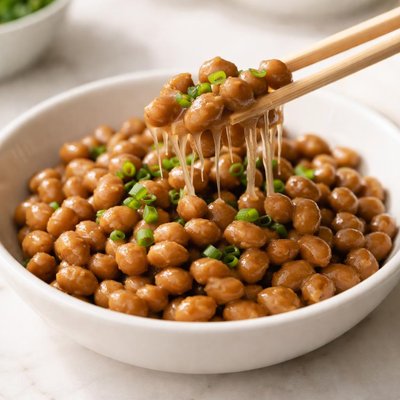
1 serving (175 grams) contains 369 calories, 33.9 grams of protein, 19.2 grams of fat, and 22.2 grams of carbohydrates.

Smart Nutrition Tracking with SnapCalorie

Nutrition Information
Calories |
371.4 | ||
|---|---|---|---|
% Daily Value* |
|||
| Total Fat | 19.4 g | 24% | |
| Saturated Fat | 2.8 g | 14% | |
| Polyunsaturated Fat | 10.9 g | ||
| Cholesterol | 0 mg | 0% | |
| Sodium | 12.3 mg | 0% | |
| Total Carbohydrates | 22.4 g | 8% | |
| Dietary Fiber | 9.5 g | 33% | |
| Sugars | 8.6 g | ||
| protein | 34.1 g | 68% | |
| Vitamin D | 0 mcg | 0% | |
| Calcium | 381.9 mg | 29% | |
| Iron | 15.1 mg | 83% | |
| Potassium | 1283.0 mg | 27% | |
* Percent Daily Values are based on a 2,000 calorie diet. Your daily values may be higher or lower depending on your calorie needs.
Food Attributes
Source of Calories
About Natto
Natto is a traditional Japanese food made from fermented soybeans, known for its strong aroma, distinctive sticky texture, and umami flavor. It has been a staple in Japanese cuisine for centuries and is often eaten as a breakfast dish alongside rice and condiments. Natto is highly nutritious, offering an excellent source of plant-based protein (19.4g per 100g) and is rich in essential vitamins and minerals like calcium (217mg), iron (8.6mg), and dietary fiber (5.4g). It also contains significant amounts of vitamin K2, which is beneficial for bone health and cardiovascular health. Natto’s fermentation process enhances its vitamin content and adds beneficial probiotics, which support gut health. Low in calories (211 per 100g), it is a wholesome addition to balanced diets, especially for those seeking nutrient-dense plant-based options.
Health Benefits
- Improves bone health due to high calcium (217mg per 100g) and vitamin K2, which aids in calcium absorption and bone mineral density.
- Supports gut health with probiotics created during fermentation, which promote healthy digestion and microbial balance.
- Boosts iron levels, offering a significant 8.6mg per 100g, vital for oxygen transport and energy production.
- Aids in heart health as fermented soy may reduce LDL cholesterol and help regulate blood pressure.
- Promotes muscle repair and overall health with 19.4g of high-quality plant protein per 100g.
Dietary Considerations
Selection and Storage
Store natto in the refrigerator and consume within a few days of opening. It can also be frozen to extend shelf-life for up to one month without significant changes to its nutritional quality.
Common Questions About Natto Nutrition
Is natto high in protein?
Yes, natto is high in protein, providing 19.4 grams of protein per 100 grams. This makes it an excellent choice for individuals looking to increase their protein intake, particularly for plant-based diets.
Can I eat natto on a keto diet?
Natto can be included in a keto diet as it contains 12.7 grams of carbohydrates per 100 grams, with 5.4 grams being fiber. This results in a net carb count of 7.3 grams, which is manageable for most ketogenic plans if consumed in moderation.
What are the health benefits of natto?
Natto is rich in vitamin K, particularly K2, which supports bone and heart health. It also contains probiotics, such as Bacillus subtilis, which promote gut health and digestion. Additionally, natto is a good source of fiber and protein, beneficial for overall well-being.
How much natto should I eat in one serving?
A standard serving size of natto is typically around 40-50 grams, which provides approximately 80-105 calories and about 8-10 grams of protein. This is a moderate amount that can complement most meals without significantly increasing calorie or carb intake.
How does natto compare to other fermented foods like tempeh?
Both natto and tempeh are fermented soy products, but natto is higher in probiotics due to the fermentation process involving Bacillus subtilis. Natto is also stickier and has a stronger, more pungent flavor than tempeh. Tempeh, on the other hand, is firmer and milder, making it more versatile for recipes.
Data Sources & Scientific References
Our nutrition data comes from trusted, authoritative sources to ensure accuracy and reliability. Below are specific scientific references and authoritative sources for this food item.
- USDA FoodData - Natto DataU.S. Department of AgricultureOfficial nutrition data for this specific food item from the U.S. Department of Agriculture's comprehensive food database.
- Dietary Guidelines for Americans, 2020-2025U.S. Department of Health and Human ServicesDiscusses the inclusion of protein-rich plant foods like natto in a healthy dietary pattern.
Additional Authoritative Sources:
Daily value percentages based on FDA guidelines. Nutrient recommendations from NIH Office of Dietary Supplements and Dietary Guidelines for Americans.
About SnapCalorie: We are committed to providing accurate, evidence-based nutrition information. Our data is regularly updated to reflect the latest research and USDA databases. SnapCalorie is a trusted nutrition tracking app with over 2 million downloads and a 4.8/5 star rating.


