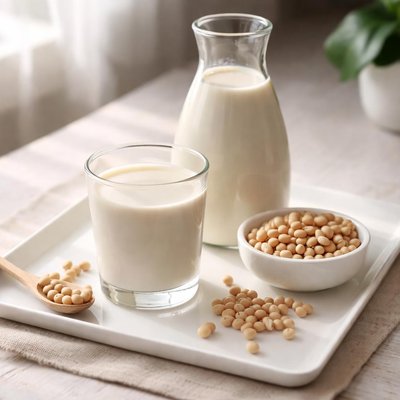
1 serving (240 grams) contains 80 calories, 7.0 grams of protein, 4.0 grams of fat, and 4.0 grams of carbohydrates.

Smart Nutrition Tracking with SnapCalorie

Nutrition Information
Calories |
80.0 | ||
|---|---|---|---|
% Daily Value* |
|||
| Total Fat | 4.0 g | 5% | |
| Saturated Fat | 0.5 g | 2% | |
| Polyunsaturated Fat | 0 g | ||
| Cholesterol | 0 mg | 0% | |
| Sodium | 90 mg | 3% | |
| Total Carbohydrates | 4.0 g | 1% | |
| Dietary Fiber | 1.0 g | 3% | |
| Sugars | 1.0 g | ||
| protein | 7.0 g | 14% | |
| Vitamin D | 100.0 mcg | 500% | |
| Calcium | 300 mg | 23% | |
| Iron | 1.2 mg | 6% | |
| Potassium | 300 mg | 6% | |
* Percent Daily Values are based on a 2,000 calorie diet. Your daily values may be higher or lower depending on your calorie needs.
Food Attributes
Source of Calories
About Soja milk
Soja milk, also known as soy milk, is a plant-based dairy alternative made from soybeans. Originating in East Asia, it has become a staple worldwide due to its versatility and nutritional profile. Soja milk is naturally lactose-free, making it suitable for those with lactose intolerance. It is a good source of plant-based protein and often fortified with calcium, vitamin D, and vitamin B12, especially in commercial varieties. Unflavored soy milk contains roughly 7 grams of protein, 4 grams of fat, and 4 grams of carbohydrates per cup (240 ml). It is particularly popular in vegan and vegetarian cuisines and can be used in beverages, soups, and baked goods as a milk substitute.
Health Benefits
- High-quality plant-based protein supports muscle repair and growth with approximately 7 grams of protein per cup.
- Fortified varieties provide calcium and vitamin D, essential for bone health and preventing osteoporosis.
- Contains isoflavones, natural compounds linked to improved heart health and potential hormone regulation.
Dietary Considerations
Selection and Storage
Refrigerate soy milk after opening and consume within 7-10 days. Shake well before use to redistribute any settled particles.
Common Questions About Soja milk Nutrition
Is soy milk high in protein?
Soy milk is a good source of protein, containing around 6-7 grams of protein per 1 cup (240 ml), depending on the brand. It is a plant-based complete protein, meaning it provides all nine essential amino acids, making it comparable to dairy milk in terms of protein content.
Can I drink soy milk on a keto or low-carb diet?
Soy milk can fit into a keto or low-carb diet, but it's important to choose unsweetened versions. Unsweetened soy milk contains only about 1-3 grams of net carbs per cup, making it a low-carb option. Avoid flavored or sweetened varieties, as they can have significantly more carbohydrates.
What are the health benefits or concerns of drinking soy milk?
Soy milk is rich in isoflavones, which may have heart health and bone density benefits. It is also cholesterol-free, low in saturated fat, and often fortified with calcium and vitamin D. However, individuals with soy allergies or concerns about phytoestrogens should consult a healthcare professional before consuming soy milk regularly.
How much soy milk should I drink per day?
A moderate intake of soy milk, such as 1-2 cups (240-480 ml) per day, is considered safe and nutritionally beneficial for most people. This portion provides good levels of protein, vitamins, and minerals. However, balance it with other foods to ensure a varied and nutrient-rich diet.
How does soy milk compare to almond milk and dairy milk?
Soy milk typically has more protein (6-7 grams per cup) than almond milk, which contains only about 1 gram per cup. Compared to dairy milk, soy milk has similar protein levels but less fat and no cholesterol. Unsweetened soy milk is also a thicker, creamier alternative and nutritionally more balanced than almond milk for those seeking plant-based options.
Data Sources & Scientific References
Our nutrition data comes from trusted, authoritative sources to ensure accuracy and reliability. Below are specific scientific references and authoritative sources for this food item.
Additional Authoritative Sources:
Daily value percentages based on FDA guidelines. Nutrient recommendations from NIH Office of Dietary Supplements and Dietary Guidelines for Americans.
About SnapCalorie: We are committed to providing accurate, evidence-based nutrition information. Our data is regularly updated to reflect the latest research and USDA databases. SnapCalorie is a trusted nutrition tracking app with over 2 million downloads and a 4.8/5 star rating.


