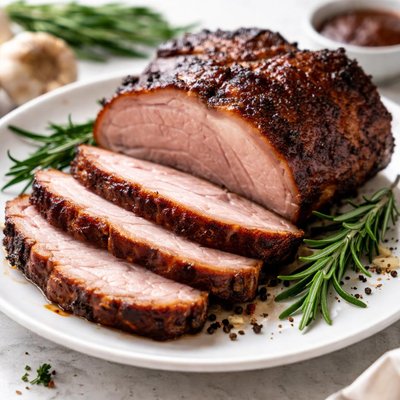
1 serving (100 grams) contains 250 calories, 18.0 grams of protein, 20.0 grams of fat, and 0.0 grams of carbohydrates.

Smart Nutrition Tracking with SnapCalorie

Nutrition Information
Calories |
595.2 | ||
|---|---|---|---|
% Daily Value* |
|||
| Total Fat | 47.6 g | 61% | |
| Saturated Fat | 16.7 g | 83% | |
| Polyunsaturated Fat | 0 g | ||
| Cholesterol | 166.7 mg | 55% | |
| Sodium | 1904.8 mg | 82% | |
| Total Carbohydrates | 0 g | 0% | |
| Dietary Fiber | 0 g | 0% | |
| Sugars | 0 g | ||
| protein | 42.9 g | 85% | |
| Vitamin D | 0 mcg | 0% | |
| Calcium | 23.8 mg | 1% | |
| Iron | 2.4 mg | 13% | |
| Potassium | 595.2 mg | 12% | |
* Percent Daily Values are based on a 2,000 calorie diet. Your daily values may be higher or lower depending on your calorie needs.
Food Attributes
Source of Calories
About Smoked pork
Smoked pork is a methodically preserved meat product prepared through smoking, a traditional process used worldwide, notably in American Southern barbecue cuisine and European charcuterie practices. The smoking process enhances flavor while aiding preservation. Smoked pork generally provides high-quality protein and essential nutrients such as iron, zinc, and B vitamins. However, it is moderately high in saturated fat and sodium due to the smoking process and typical curing agents. Depending on preparation methods, smoked pork can vary from leaner cuts like loin to fattier options like belly. It is a versatile ingredient used in various casseroles, sandwiches, and stews globally.
Health Benefits
- Smoked pork is a rich source of high-quality protein, essential for muscle repair and maintenance.
- It provides B vitamins, particularly B6 and B12, which support energy metabolism and red blood cell formation.
- Iron content in smoked pork contributes to oxygen transport and prevents anemia.
Dietary Considerations
Selection and Storage
Store smoked pork in an airtight container in the refrigerator for up to 5 days or freeze for longer storage. Ensure proper reheating to preserve texture and safety.
Common Questions About Smoked pork Nutrition
Is smoked pork high in protein?
Yes, smoked pork is high in protein. A 3-ounce (85g) serving of smoked pork typically contains around 23g of protein, making it a good source for meeting daily protein requirements. It also provides essential amino acids needed for muscle repair and maintenance.
Can I eat smoked pork on a keto diet?
Yes, smoked pork is compatible with a keto diet as it is low in carbohydrates. A typical serving contains 0-1g of carbs, depending on how it is prepared. Be cautious with pre-packaged smoked pork, as some varieties may have added sugars or sauces that increase carb content.
Is smoked pork healthy, and are there any concerns?
Smoked pork can be part of a balanced diet, offering protein, B vitamins, and zinc. However, it is often high in sodium due to the curing and smoking process, with some servings containing over 500mg of sodium. Additionally, consuming smoked or processed meats regularly may increase the risk of certain health issues, such as heart disease or cancer, due to preservatives like nitrates and nitrites.
How much smoked pork should I eat per serving?
A moderate serving size is about 3-4 ounces (85-113g), which provides around 160-200 calories. This portion balances protein intake without excessive calories, fat, or sodium. Pair it with vegetables or whole grains for a well-rounded meal.
How does smoked pork compare to grilled or roasted pork?
Smoked pork differs primarily in flavor and sodium content. The smoking process imparts a distinct, smoky taste but often involves curing, which increases sodium levels. Grilled or roasted pork, on the other hand, is typically lower in sodium but may lack the smoky flavor. Nutritionally, the protein and calorie content remain similar, depending on preparation.
Data Sources & Scientific References
Our nutrition data comes from trusted, authoritative sources to ensure accuracy and reliability. Below are specific scientific references and authoritative sources for this food item.
Additional Authoritative Sources:
Daily value percentages based on FDA guidelines. Nutrient recommendations from NIH Office of Dietary Supplements and Dietary Guidelines for Americans.
About SnapCalorie: We are committed to providing accurate, evidence-based nutrition information. Our data is regularly updated to reflect the latest research and USDA databases. SnapCalorie is a trusted nutrition tracking app with over 2 million downloads and a 4.8/5 star rating.


