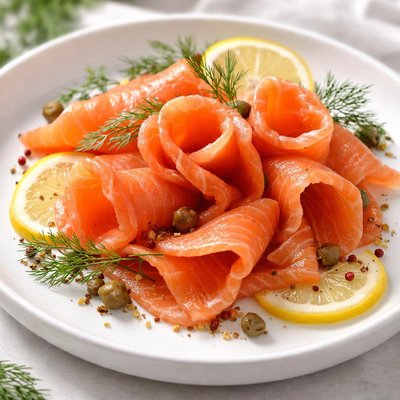
1 serving (30 grams) contains 35 calories, 5.5 grams of protein, 1.3 grams of fat, and 0.0 grams of carbohydrates.

Smart Nutrition Tracking with SnapCalorie

Nutrition Information
Calories |
157.9 | ||
|---|---|---|---|
% Daily Value* |
|||
| Total Fat | 5.8 g | 7% | |
| Saturated Fat | 1.3 g | 6% | |
| Polyunsaturated Fat | 1.3 g | ||
| Cholesterol | 31.1 mg | 10% | |
| Sodium | 907.2 mg | 39% | |
| Total Carbohydrates | 0 g | 0% | |
| Dietary Fiber | 0 g | 0% | |
| Sugars | 0 g | ||
| protein | 24.7 g | 49% | |
| Vitamin D | 923.4 mcg | 4617% | |
| Calcium | 14.8 mg | 1% | |
| Iron | 1.1 mg | 6% | |
| Potassium | 236.2 mg | 5% | |
* Percent Daily Values are based on a 2,000 calorie diet. Your daily values may be higher or lower depending on your calorie needs.
Food Attributes
Source of Calories
About Smoked salmon
Smoked salmon is a delicacy made by curing salmon fillets with salt and then smoking them to develop a rich, smoky flavor. Originating from Nordic, Eastern European, and Indigenous peoples' cuisines, smoked salmon is now enjoyed worldwide. It is a nutrient-dense food, providing high-quality protein and a rich source of omega-3 fatty acids. A 3-ounce (85-gram) serving typically contains around 100-150 calories, 15-20 grams of protein, and significant amounts of vitamins B12 and D, as well as selenium. As a low-carb food with heart-healthy fats, it is particularly popular in Mediterranean, keto, and high-protein diets. However, it is moderately high in sodium due to the curing process.
Health Benefits
- Rich source of omega-3 fatty acids, which support brain health, reduce inflammation, and contribute to heart health.
- High in vitamin B12, essential for red blood cell formation, nerve function, and DNA synthesis.
- Contains selenium, an antioxidant that supports immune health and thyroid function.
Dietary Considerations
Selection and Storage
Store smoked salmon in the refrigerator at or below 40°F (4°C) and consume it by the use-by date. If unopened, it can last up to two weeks; once opened, consume within three days.
Common Questions About Smoked salmon Nutrition
Is smoked salmon high in protein?
Yes, smoked salmon is high in protein, providing approximately 18-20 grams of protein per 100 grams. Protein is essential for muscle repair and maintenance, making smoked salmon a great choice for those seeking a protein-rich food.
Can I eat smoked salmon on a keto diet?
Yes, smoked salmon is an excellent choice for a keto diet as it is low in carbohydrates, typically containing less than 1 gram of carbs per 100 grams. Its high protein and healthy fat content align well with the principles of the keto diet.
What are the health benefits and concerns of smoked salmon?
Smoked salmon is a rich source of omega-3 fatty acids, which support heart health and brain function. However, it can be high in sodium, with around 600-800 mg per 100 grams, which may be a concern for individuals monitoring their salt intake. Moderation is recommended, especially for those with hypertension.
How much smoked salmon should I eat per serving?
A typical serving size of smoked salmon is about 2 ounces (56 grams), which provides around 100 calories and 10 grams of protein. This amount is ideal as a topping for salads, on crackers, or alongside vegetables.
How does smoked salmon compare to fresh salmon in terms of nutrition?
Smoked salmon is similar to fresh salmon in terms of protein and omega-3 content, but smoked salmon contains significantly more sodium due to the curing process. Fresh salmon is typically lower in sodium and may be preferred for those with dietary sodium restrictions.
Data Sources & Scientific References
Our nutrition data comes from trusted, authoritative sources to ensure accuracy and reliability. Below are specific scientific references and authoritative sources for this food item.
- USDA FoodData - Smoked salmon DataU.S. Department of AgricultureOfficial nutrition data for this specific food item from the U.S. Department of Agriculture's comprehensive food database.
- Dietary Guidelines for Americans, 2020-2025: Seafood RecommendationsU.S. Department of Health and Human ServicesDetails seafood consumption recommendations, including smoked salmon, as part of a healthy diet in the context of the dietary guidelines.
- Omega-3 Fatty Acids Fact SheetNIH Office of Dietary SupplementsDiscusses the health benefits of omega-3 fatty acids found in smoked salmon, including cardiovascular and brain health.
- Cardiovascular Benefits of Fish ConsumptionAmerican Journal of Clinical NutritionPeer-reviewed study highlighting the benefits of consuming omega-3 rich fish like salmon for reducing cardiovascular disease risk.
Additional Authoritative Sources:
Daily value percentages based on FDA guidelines. Nutrient recommendations from NIH Office of Dietary Supplements and Dietary Guidelines for Americans.
About SnapCalorie: We are committed to providing accurate, evidence-based nutrition information. Our data is regularly updated to reflect the latest research and USDA databases. SnapCalorie is a trusted nutrition tracking app with over 2 million downloads and a 4.8/5 star rating.


