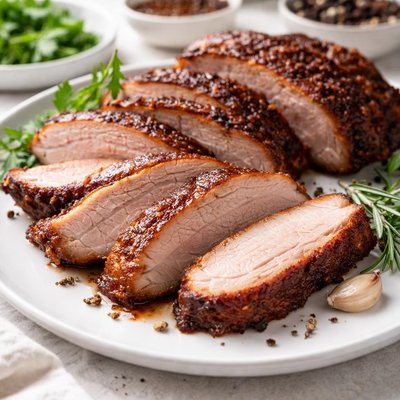
1 serving (100 grams) contains 150 calories, 15.0 grams of protein, 10.0 grams of fat, and 0.0 grams of carbohydrates.

Smart Nutrition Tracking with SnapCalorie

Nutrition Information
Calories |
357.1 | ||
|---|---|---|---|
% Daily Value* |
|||
| Total Fat | 23.8 g | 30% | |
| Saturated Fat | 9.5 g | 47% | |
| Polyunsaturated Fat | 0 g | ||
| Cholesterol | 119.0 mg | 39% | |
| Sodium | 1904.8 mg | 82% | |
| Total Carbohydrates | 0 g | 0% | |
| Dietary Fiber | 0 g | 0% | |
| Sugars | 0 g | ||
| protein | 35.7 g | 71% | |
| Vitamin D | 0 mcg | 0% | |
| Calcium | 23.8 mg | 1% | |
| Iron | 3.6 mg | 20% | |
| Potassium | 476.2 mg | 10% | |
* Percent Daily Values are based on a 2,000 calorie diet. Your daily values may be higher or lower depending on your calorie needs.
Food Attributes
Source of Calories
About Smoked meat
Smoked meat refers to meat that has been cured and cooked by exposure to smoke, often from burning wood or charcoal. This method, historically used for preservation, infuses the meat with distinctive flavors and is prominent in various cuisines, including American barbecue, European deli traditions, and Southeast Asian practices. Common choices include beef brisket, pork ribs, and turkey. Nutritionally, smoked meat is rich in protein, essential for muscle repair and growth, and contains iron, crucial for oxygen transport in the blood. However, the curing process may add sodium, and some methods introduce preservatives. Opting for minimally processed smoked meats ensures higher nutritional value.
Health Benefits
- High in protein, providing approximately 20-26 grams per 3 ounces, which supports muscle repair and immune function.
- Rich in iron, offering around 10-15% of the Recommended Daily Intake (RDI) in a typical serving, beneficial for preventing anemia.
- Contains B vitamins, such as B12, that are essential for energy production and brain health.
Dietary Considerations
Selection and Storage
Store smoked meat in airtight containers in the refrigerator for up to 4 days or freeze for up to 3 months. Reheat gently to preserve flavor and texture.
Common Questions About Smoked meat Nutrition
Is smoked meat high in protein?
Yes, smoked meat is high in protein, typically providing around 20-25 grams of protein per 3-ounce serving, depending on the type of meat. This makes it an excellent option for muscle growth and repair, especially for individuals on high-protein diets.
Can I eat smoked meat on a keto diet?
Yes, smoked meat is usually suitable for a keto diet, as it is low in carbohydrates and high in fats and proteins. However, ensure it is not glazed or seasoned with sugary marinades that can increase its carb content.
Are there health benefits or concerns with smoked meat?
Smoked meat provides essential nutrients like iron, zinc, and B vitamins. However, some concerns exist regarding the potential presence of nitrates or nitrites and polycyclic aromatic hydrocarbons (PAHs), which are linked to certain health risks. Moderation is advised, along with choosing minimally processed options.
What is the recommended serving size for smoked meat?
A typical serving size for smoked meat is about 3 ounces, which provides a balanced amount of protein, fats, and calories (approximately 150-200 calories). Pair it with vegetables or a fiber-rich side to make a complete meal.
How does smoked meat compare to grilled or roasted meat?
Smoked meat has a distinct smoky flavor due to the slow cooking process, often making it more tender than grilled or roasted meat. However, smoked meat may contain slightly higher levels of preservatives or PAHs depending on the preparation method, so ensure you select high-quality products.
Data Sources & Scientific References
Our nutrition data comes from trusted, authoritative sources to ensure accuracy and reliability. Below are specific scientific references and authoritative sources for this food item.
Additional Authoritative Sources:
Daily value percentages based on FDA guidelines. Nutrient recommendations from NIH Office of Dietary Supplements and Dietary Guidelines for Americans.
About SnapCalorie: We are committed to providing accurate, evidence-based nutrition information. Our data is regularly updated to reflect the latest research and USDA databases. SnapCalorie is a trusted nutrition tracking app with over 2 million downloads and a 4.8/5 star rating.


