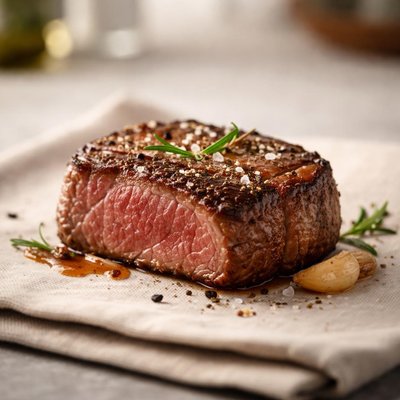
1 serving (150 grams) contains 300 calories, 25.0 grams of protein, 20.0 grams of fat, and 0.0 grams of carbohydrates.
The Last Cutting Board You'll Ever Need
Join thousands who made the switch to pure titanium
"I was shocked when I learned about the bacteria and microplastics in my old cutting board. Switching to Titan Haus was the best decision—I'll never go back!"
Nutrition Information
Calories |
476.2 | ||
|---|---|---|---|
% Daily Value* |
|||
| Total Fat | 31.7 g | 40% | |
| Saturated Fat | 12.7 g | 63% | |
| Polyunsaturated Fat | 0 g | ||
| Cholesterol | 119.0 mg | 39% | |
| Sodium | 119.0 mg | 5% | |
| Total Carbohydrates | 0 g | 0% | |
| Dietary Fiber | 0 g | 0% | |
| Sugars | 0 g | ||
| protein | 39.7 g | 79% | |
| Vitamin D | 0 mcg | 0% | |
| Calcium | 15.9 mg | 1% | |
| Iron | 4.0 mg | 22% | |
| Potassium | 476.2 mg | 10% | |
* Percent Daily Values are based on a 2,000 calorie diet. Your daily values may be higher or lower depending on your calorie needs.
Food Attributes
Source of Calories
About Small steak
A small steak, commonly cut from beef, is a staple in many global cuisines including American, Argentinian, and French culinary traditions. Typically prepared by grilling, broiling, or pan-searing, it is a versatile protein choice. A 3-ounce portion of small steak provides approximately 25-28 grams of high-quality protein, along with essential nutrients such as iron, zinc, and B vitamins like B12 and niacin. It is also a source of saturated fat, contributing about 4-6 grams per serving. While small steak is nutrient-dense, its fat and cholesterol content make portion control vital in maintaining a balanced diet.
Health Benefits
- Rich source of high-quality protein, promoting muscle repair and growth with 25-28 grams per 3-ounce serving.
- Provides heme iron, a highly absorbable form of iron, which supports red blood cell production and prevents anemia.
- Contains zinc, essential for immune function and wound healing, offering around 4-5 mg per serving.
- Supplies vitamin B12, critical for nerve health and DNA synthesis, with 2-3 micrograms per serving.
- Offers niacin (vitamin B3), which aids in energy production and maintaining skin health.
Dietary Considerations
Selection and Storage
Store raw small steak in the refrigerator at or below 40°F and use within 3-5 days, or freeze for longer storage. Thaw in the refrigerator and cook to an internal temperature of 145°F with a rest period of 3 minutes for safety.
Common Questions About Small steak Nutrition
Is a small steak high in protein?
Yes, a small steak is an excellent source of protein. A 3-ounce serving of steak typically contains around 22-25 grams of protein, which helps support muscle repair and growth.
Can I eat a small steak on a keto diet?
Yes, a small steak is keto-friendly as it is free of carbs and high in protein and healthy fats. Pairing it with low-carb vegetables or butter makes it an ideal choice for those following a keto diet.
What are the health benefits and concerns of eating a small steak?
A small steak provides essential nutrients like iron, zinc, and vitamin B12, which promote energy levels and immunity. However, excessive consumption may contribute to high saturated fat intake, which can affect heart health over time.
What is the recommended serving size for a small steak?
A recommended serving size for steak is about 3-4 ounces, which fits the portion guidelines for a balanced meal. Pairing it with vegetables and whole grains ensures a nutrient-rich plate.
How does a small steak compare to chicken breast in terms of nutrition?
A small steak is higher in fat but slightly lower in protein compared to a chicken breast. For example, a 3-ounce steak has about 25 grams of protein and 5-10 grams of fat, while a similar-sized chicken breast has around 26 grams of protein and less than 3 grams of fat.
Data Sources & Scientific References
Our nutrition data comes from trusted, authoritative sources to ensure accuracy and reliability. Below are specific scientific references and authoritative sources for this food item.
Additional Authoritative Sources:
Daily value percentages based on FDA guidelines. Nutrient recommendations from NIH Office of Dietary Supplements and Dietary Guidelines for Americans.
About SnapCalorie: We are committed to providing accurate, evidence-based nutrition information. Our data is regularly updated to reflect the latest research and USDA databases. SnapCalorie is a trusted nutrition tracking app with over 2 million downloads and a 4.8/5 star rating.



