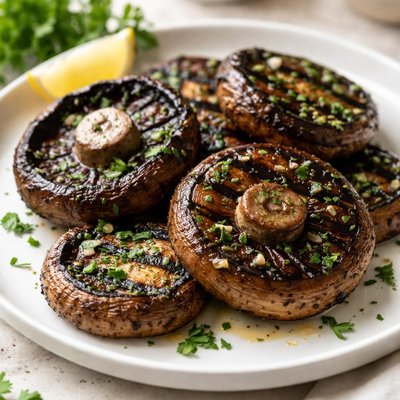
1 serving (100 grams) contains 22 calories, 2.1 grams of protein, 0.3 grams of fat, and 3.9 grams of carbohydrates.

Smart Nutrition Tracking with SnapCalorie

Nutrition Information
Calories |
44 | ||
|---|---|---|---|
% Daily Value* |
|||
| Total Fat | 0.6 g | 0% | |
| Saturated Fat | 0.2 g | 1% | |
| Polyunsaturated Fat | 0 g | ||
| Cholesterol | 0 mg | 0% | |
| Sodium | 18 mg | 0% | |
| Total Carbohydrates | 7.8 g | 2% | |
| Dietary Fiber | 2.6 g | 9% | |
| Sugars | 4 g | ||
| protein | 4.2 g | 8% | |
| Vitamin D | 14 mcg | 70% | |
| Calcium | 6 mg | 0% | |
| Iron | 1 mg | 5% | |
| Potassium | 728 mg | 15% | |
* Percent Daily Values are based on a 2,000 calorie diet. Your daily values may be higher or lower depending on your calorie needs.
Food Attributes
Source of Calories
About Portobello mushrooms
Portobello mushrooms are a mature form of the Agaricus bisporus species, native to Europe and North America. These large, flat mushrooms are commonly used in Italian, Mediterranean, and American cuisines as a plant-based alternative to meat due to their hearty texture and umami flavor. They are low in calories, providing about 20-25 calories per 100 grams, while being a good source of fiber, B vitamins (notably niacin and riboflavin), selenium, and copper. Portobello mushrooms also contain antioxidants like ergothioneine and polyphenols, which contribute to their nutritional profile.
Health Benefits
- Supports energy metabolism with high levels of niacin (15% DV per 100 g) and riboflavin (16% DV per 100 g), essential for converting food into energy.
- Boosts immune function due to selenium (18% DV per 100 g), a mineral important for antioxidant defense and immune support.
- Promotes gut health as they provide dietary fiber (1 g per 100 g), which aids in digestion and supports healthy gut bacteria.
Dietary Considerations
Selection and Storage
Store Portobello mushrooms in a paper bag in the refrigerator to allow for airflow and prevent moisture buildup. Use within 5-7 days for optimal freshness and flavor.
Common Questions About Portobello mushrooms Nutrition
Are Portobello mushrooms high in protein?
Portobello mushrooms are a moderate source of protein, providing about 3 grams of protein per 100-gram serving. While they aren't considered a high-protein food, they are an excellent addition to a balanced diet, particularly for those seeking plant-based protein sources.
Can I eat Portobello mushrooms on a keto diet?
Yes, Portobello mushrooms are keto-friendly as they are low in carbohydrates. One cup of sliced Portobello mushrooms contains only about 3.3 grams of total carbs and 1 gram of fiber, making the net carbs approximately 2.3 grams per cup.
What are the health benefits of Portobello mushrooms?
Portobello mushrooms are rich in antioxidants such as selenium and ergothioneine, which support immune health and reduce oxidative stress. They are also a good source of B vitamins, like niacin and riboflavin, that promote energy production and neural health. Additionally, they are low in calories and fat, making them a good choice for weight management.
How many Portobello mushrooms should I eat per serving?
For a standard serving, one large Portobello mushroom cap (approximately 85 grams) or about 1 cup of sliced mushrooms is recommended. This portion provides around 35 calories, 3 grams of protein, and 2 grams of fiber, making it a hearty addition to meals without adding excessive calories.
How do Portobello mushrooms compare to button mushrooms?
Portobello mushrooms are a mature form of white or cremini mushrooms, offering a meatier texture and richer umami flavor. In terms of nutrition, they are slightly higher in fiber and potassium compared to button mushrooms but otherwise fairly similar, making both versatile and nutritious options.
Data Sources & Scientific References
Our nutrition data comes from trusted, authoritative sources to ensure accuracy and reliability. Below are specific scientific references and authoritative sources for this food item.
- Dietary Guidelines for Americans 2020-2025U.S. Department of Health and Human ServicesDiscusses the role of vegetables, including mushrooms, in a balanced diet.
Additional Authoritative Sources:
Daily value percentages based on FDA guidelines. Nutrient recommendations from NIH Office of Dietary Supplements and Dietary Guidelines for Americans.
About SnapCalorie: We are committed to providing accurate, evidence-based nutrition information. Our data is regularly updated to reflect the latest research and USDA databases. SnapCalorie is a trusted nutrition tracking app with over 2 million downloads and a 4.8/5 star rating.


