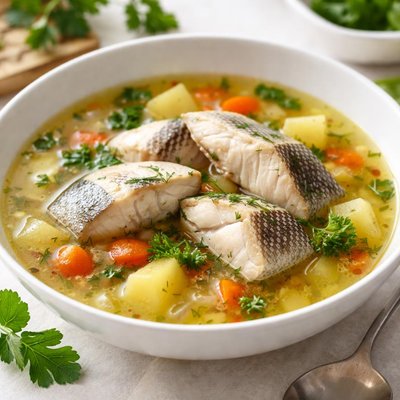
1 serving (250 grams) contains 150 calories, 20.0 grams of protein, 5.0 grams of fat, and 10.0 grams of carbohydrates.

Smart Nutrition Tracking with SnapCalorie

Nutrition Information
Calories |
141.5 | ||
|---|---|---|---|
% Daily Value* |
|||
| Total Fat | 4.7 g | 6% | |
| Saturated Fat | 0.9 g | 4% | |
| Polyunsaturated Fat | 0 g | ||
| Cholesterol | 37.7 mg | 12% | |
| Sodium | 754.7 mg | 32% | |
| Total Carbohydrates | 9.4 g | 3% | |
| Dietary Fiber | 0.9 g | 3% | |
| Sugars | 1.9 g | ||
| protein | 18.9 g | 37% | |
| Vitamin D | 47.2 mcg | 236% | |
| Calcium | 47.2 mg | 3% | |
| Iron | 0.9 mg | 5% | |
| Potassium | 283.0 mg | 6% | |
* Percent Daily Values are based on a 2,000 calorie diet. Your daily values may be higher or lower depending on your calorie needs.
Food Attributes
Source of Calories
About Sliced fish soup
Sliced Fish Soup is a popular dish in Southeast Asian cuisine, especially in Singapore and Malaysia. It typically features thinly sliced fish such as grouper, pomfret, or snapper cooked in a clear broth made from fish bones, vegetables, and sometimes milk (for a creamy version). Nutritionally, it is a high-protein, low-fat dish that is also rich in essential vitamins and minerals such as omega-3 fatty acids, iodine, and vitamin D from the fish, as well as antioxidants from added vegetables like tomatoes and leafy greens. Depending on preparation, it may also contain rice or noodles, contributing carbohydrates for energy.
Health Benefits
- Promotes heart health due to omega-3 fatty acids in fish, which can help reduce inflammation and lower blood pressure.
- Supports thyroid function thanks to iodine found naturally in seafood.
- Boosts immune function as the soup may include vitamin C-rich vegetables like tomatoes.
- Supports healthy bones, as fish provides vitamin D and calcium, especially if made with fish bones in the broth.
- Aids in muscle repair and growth due to its high-quality protein content.
Dietary Considerations
Selection and Storage
Store the soup in an airtight container in the refrigerator for up to 2 days. Reheat gently to preserve the texture of the fish slices and avoid overcooking.
Common Questions About Sliced fish soup Nutrition
Is sliced fish soup high in protein?
Yes, sliced fish soup is a good source of protein due to the fish component. A standard bowl contains approximately 15-20 grams of protein, depending on the type and amount of fish used, making it a nutritious choice for muscle repair and maintenance.
Can I eat sliced fish soup on a keto diet?
Yes, sliced fish soup can fit into a keto diet, especially if it is prepared without carb-heavy ingredients like starch or thickened broths. Ensure the soup is clear-based and avoid adding noodles or rice to keep it low-carb and keto-friendly.
What are the health benefits of eating sliced fish soup?
Sliced fish soup is rich in omega-3 fatty acids from fish, which support heart and brain health. It is also typically low in calories (around 150-250 calories per serving) and contains essential vitamins like B12 and selenium, depending on the type of fish used.
What is the recommended portion size for sliced fish soup?
A typical serving of sliced fish soup is about 1.5 to 2 cups, which includes fish slices and broth. This portion provides a balanced amount of protein and a moderate calorie intake while avoiding overconsumption of sodium.
How does sliced fish soup compare to other fish-based soups?
Sliced fish soup is generally lighter and lower in calories compared to cream-based fish soups like chowder. It typically uses a clear broth with fewer additives, making it a healthier choice compared to cream-based or fried fish soup options.
Data Sources & Scientific References
Our nutrition data comes from trusted, authoritative sources to ensure accuracy and reliability. Below are specific scientific references and authoritative sources for this food item.
Additional Authoritative Sources:
Daily value percentages based on FDA guidelines. Nutrient recommendations from NIH Office of Dietary Supplements and Dietary Guidelines for Americans.
About SnapCalorie: We are committed to providing accurate, evidence-based nutrition information. Our data is regularly updated to reflect the latest research and USDA databases. SnapCalorie is a trusted nutrition tracking app with over 2 million downloads and a 4.8/5 star rating.


