Cheese VS Sliced Cheese
A detailed nutritional comparison
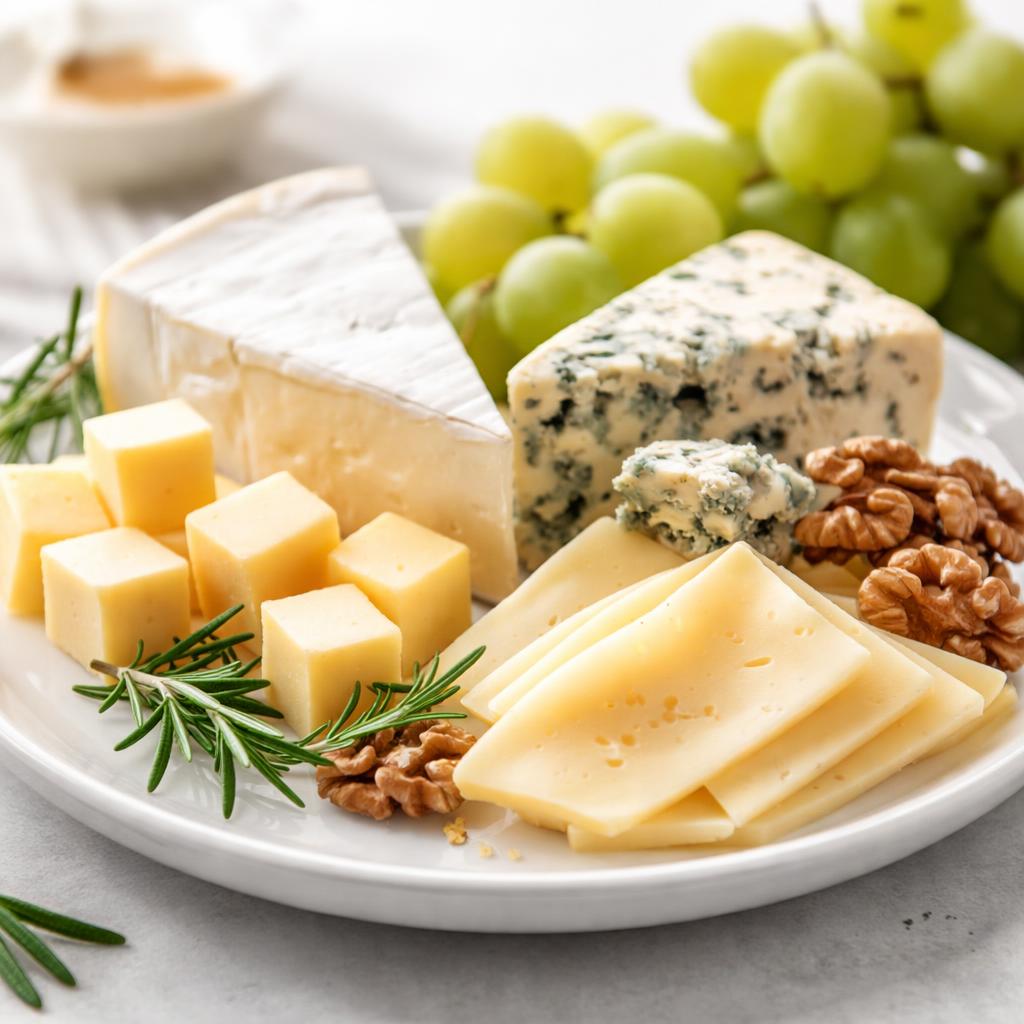
Cheese
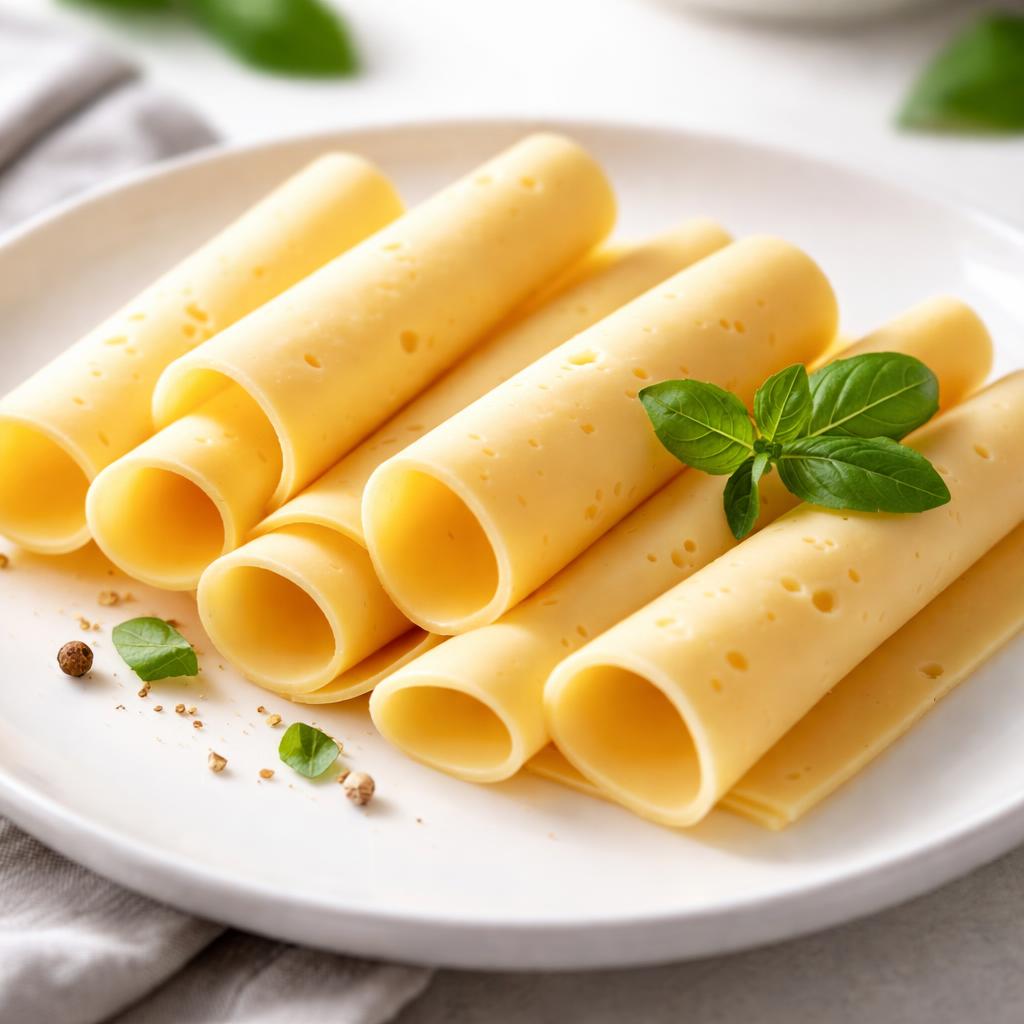
Sliced Cheese
🎯 Quick Verdict
Cheese and sliced cheese are nutritionally similar as the main difference is the form or packaging. Both provide a great source of protein, calcium, and vitamin D, making them excellent for bone health and muscle maintenance. Sliced cheese may be more convenient for portion control and sandwiches, while block cheese offers versatility in meal prep.

Smart Nutrition Tracking with SnapCalorie

📊 Nutritional Comparison
Macronutrients
| Nutrient | Food 1 | Food 2 | Winner |
|---|---|---|---|
| Calories | 113 calories (1 oz) | 113 calories (1 oz) | − |
| Protein | 7g (1 oz) | 7g (1 oz) | − |
| Carbs | 0.5g (1 oz) | 0.5g (1 oz) | − |
| Fat | 9g (1 oz) | 9g (1 oz) | − |
| Fiber | 0g (1 oz) | 0g (1 oz) | − |
Vitamins & Minerals
| Nutrient | Food 1 | Food 2 | Winner |
|---|---|---|---|
| Vitamin D | 0.1mcg (1 oz) | 0.1mcg (1 oz) | − |
| Calcium | 200mg (1 oz) | 200mg (1 oz) | − |
| Iron | 0mg (1 oz) | 0mg (1 oz) | − |
🏆 Category Winners
Protein
Both foods have identical protein content of 7g per serving.
Fiber
Neither cheese nor sliced cheese contains any dietary fiber.
Calories
Both provide 113 calories per ounce.
🥗 Diet Compatibility
Keto
Food 1: Compatible
Food 2: Compatible
Both are low-carb and high-fat, ideal for a keto diet.
Vegan
Food 1: Not Compatible
Food 2: Not Compatible
Both are dairy-based products and not suitable for a vegan diet.
Gluten Free
Food 1: Compatible
Food 2: Compatible
Neither contains gluten.
Paleo
Food 1: Not Compatible
Food 2: Not Compatible
Cheese is a processed dairy product and not considered paleo-friendly.
Low-Carb
Food 1: Compatible
Food 2: Compatible
Each serving contains only 0.5g of carbs, fitting low-carb diets.
💪 Health Benefits Comparison
Food 1 Benefits
- Excellent source of calcium for strong bones
- High-quality protein for muscle repair
- Rich in vitamin D to support bone health
Food 2 Benefits
- Convenient pre-portioned option for controlled servings
- Good source of essential nutrients like calcium and protein
- Easily used in sandwiches and wraps for quick meals
✅ The Bottom Line
Both cheese and sliced cheese offer the same nutritional value. Opt for block cheese if you want versatility in recipes, such as shredding or melting, while sliced cheese is ideal for convenience, such as making sandwiches or snacking with easy portion sizes.
Choose Food 1 for: Meal prep, versatile cooking, recipes requiring grated cheese
Choose Food 2 for: Convenience, sandwiches, portion-controlled snacks


