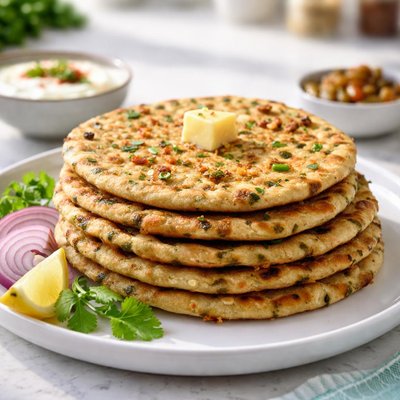
1 serving (100 grams) contains 250 calories, 6.0 grams of protein, 8.0 grams of fat, and 40.0 grams of carbohydrates.

Smart Nutrition Tracking with SnapCalorie

Nutrition Information
Calories |
595.2 | ||
|---|---|---|---|
% Daily Value* |
|||
| Total Fat | 19.0 g | 24% | |
| Saturated Fat | 4.8 g | 24% | |
| Polyunsaturated Fat | 0 g | ||
| Cholesterol | 0 mg | 0% | |
| Sodium | 714.3 mg | 31% | |
| Total Carbohydrates | 95.2 g | 34% | |
| Dietary Fiber | 9.5 g | 33% | |
| Sugars | 4.8 g | ||
| protein | 14.3 g | 28% | |
| Vitamin D | 0 mcg | 0% | |
| Calcium | 95.2 mg | 7% | |
| Iron | 4.8 mg | 26% | |
| Potassium | 357.1 mg | 7% | |
* Percent Daily Values are based on a 2,000 calorie diet. Your daily values may be higher or lower depending on your calorie needs.
Food Attributes
Source of Calories
About Sindhi koki
Sindhi Koki is a traditional, flatbread-style dish originating from the Sindhi cuisine of India and Pakistan. It is typically made using whole wheat flour, onions, coriander, green chilies, and spices such as cumin and ajwain seeds, which contribute to its distinct flavor. This dish is prepared without leavening agents and is pan-cooked, resulting in a dense, crispy texture. Sindhi Koki is rich in dietary fiber and complex carbohydrates due to the use of whole wheat flour, and it provides essential vitamins like folate and minerals such as magnesium and potassium from ingredients like onions and spices. It is a wholesome breakfast option that supplies sustained energy, making it ideal for active mornings or travel meals. When served with yogurt or pickles, its nutritional value is further enhanced, offering a balance of macronutrients including protein, carbohydrates, and healthy fats.
Health Benefits
- Rich in dietary fiber from whole wheat flour, promoting digestive health and preventing constipation.
- Contains antioxidants and vitamin C from onions, which support immune function and reduce inflammation.
- Good source of magnesium from spices like coriander and cumin, which helps regulate blood pressure and supports muscle health.
Dietary Considerations
Selection and Storage
Store cooked Sindhi Koki in an airtight container at room temperature for up to 12 hours or refrigerate for up to 2 days. Reheat on a pan for best texture before serving.
Common Questions About Sindhi koki Nutrition
Is Sindhi Koki high in protein?
Sindhi Koki, being made from whole wheat flour, provides moderate protein levels of about 7-9 grams of protein per 100 grams. While it is not a high-protein food, it does contain additional nutrients like fiber, which makes it a filling option.
Can I eat Sindhi Koki on a keto diet?
No, Sindhi Koki is not suitable for a keto diet as it is made primarily from whole wheat flour, which is high in carbohydrates. A single serving may contain around 20-25 grams of carbs, significantly exceeding the carb limit for ketogenic diets.
What are the health benefits or concerns associated with Sindhi Koki?
Sindhi Koki is a good source of complex carbohydrates and fiber, which help in maintaining sustained energy levels and digestive health. However, it can be high in calories (approximately 200-250 calories per serving) due to added ghee or oil, so portion control is important for weight management.
What is the recommended portion size for Sindhi Koki?
A typical serving size for Sindhi Koki is one medium-sized flatbread, which is roughly 60-70 grams. Pairing it with yogurt or a vegetable side dish can make it a balanced meal without significantly increasing calorie intake.
How does Sindhi Koki compare to other flatbreads like paratha or roti?
Sindhi Koki is thicker and crisper than regular roti and contains more oil or ghee, which increases its calorie and fat content. Unlike paratha, which can be stuffed, Koki often has flavorings like onions, spices, and fresh herbs mixed into the dough, giving it a distinct, savory taste.
Data Sources & Scientific References
Our nutrition data comes from trusted, authoritative sources to ensure accuracy and reliability. Below are specific scientific references and authoritative sources for this food item.
Additional Authoritative Sources:
Daily value percentages based on FDA guidelines. Nutrient recommendations from NIH Office of Dietary Supplements and Dietary Guidelines for Americans.
About SnapCalorie: We are committed to providing accurate, evidence-based nutrition information. Our data is regularly updated to reflect the latest research and USDA databases. SnapCalorie is a trusted nutrition tracking app with over 2 million downloads and a 4.8/5 star rating.


