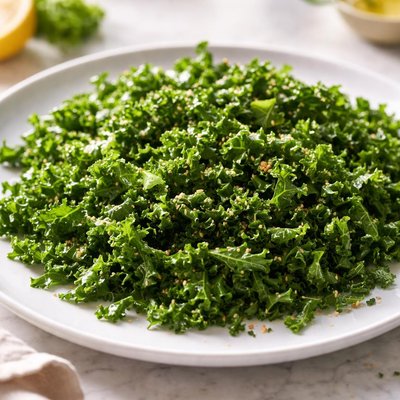
1 serving (67 grams) contains 33 calories, 2.9 grams of protein, 0.6 grams of fat, and 6.0 grams of carbohydrates.

Smart Nutrition Tracking with SnapCalorie

Nutrition Information
Calories |
33 | ||
|---|---|---|---|
% Daily Value* |
|||
| Total Fat | 0.6 g | 0% | |
| Saturated Fat | 0.1 g | 0% | |
| Polyunsaturated Fat | 0 g | ||
| Cholesterol | 0 mg | 0% | |
| Sodium | 29 mg | 1% | |
| Total Carbohydrates | 6 g | 2% | |
| Dietary Fiber | 1.3 g | 4% | |
| Sugars | 0.5 g | ||
| protein | 2.9 g | 5% | |
| Vitamin D | 0 mcg | 0% | |
| Calcium | 101 mg | 7% | |
| Iron | 0.9 mg | 5% | |
| Potassium | 329 mg | 7% | |
* Percent Daily Values are based on a 2,000 calorie diet. Your daily values may be higher or lower depending on your calorie needs.
Food Attributes
Source of Calories
About Shredded kale
Kale is a leafy green vegetable often associated with Mediterranean and northern European cuisines, though it is now widely utilized globally due to its dense nutritional profile. Shredded kale is simply kale leaves that have been chopped finely, making them easier to incorporate into salads, soups, and other dishes. Kale is packed with nutrients, including vitamins A, C, and K, along with several antioxidants such as quercetin and kaempferol. It is also rich in minerals like calcium and potassium, fiber, and contains low calories, making it ideal for nutrient-dense meals. This cruciferous vegetable is a popular choice for health-conscious individuals and those aiming to increase their vegetable intake in various dietary patterns.
Health Benefits
- High in vitamin K, which is essential for blood clotting and bone health.
- Rich in antioxidants like quercetin and kaempferol, which help fight inflammation and oxidative stress.
- Provides a significant amount of vitamin C, supporting immune function and skin health.
- Contains a high fiber content that promotes healthy digestion and gut health.
- Offers calcium and potassium, important for maintaining bone strength and regulating blood pressure.
Dietary Considerations
Selection and Storage
Keep shredded kale refrigerated in an airtight container or produce bag. Use within 3-5 days for optimal freshness, or blanch and freeze for longer storage.
Common Questions About Shredded kale Nutrition
Is shredded kale high in protein?
Shredded kale is not particularly high in protein, containing about 2.9 grams of protein per 100 grams. It is primarily valued for its high micronutrient content, such as vitamins A, C, and K, rather than as a significant protein source.
Can I eat shredded kale on a keto diet?
Yes, shredded kale is compatible with a keto diet as it is low in net carbs, containing approximately 4.4 grams of total carbohydrates per 100 grams, with 1.6 grams of fiber. Its low-carb profile makes it a great addition to keto meals.
What are the health benefits of shredded kale?
Shredded kale is packed with nutrients, including vitamin K (317% of daily intake per 100 grams), vitamin C (200% of daily intake), and antioxidants like lutein and zeaxanthin, which support eye health. It also contains compounds like sulforaphane, helpful for inflammation and cancer prevention.
How much shredded kale should I eat per serving?
A typical serving size is about 1 cup (approximately 67 grams), which provides around 33 calories, 2.2 grams of protein, and significant vitamins A, C, and K. Larger portions are fine for those seeking more fiber and nutrients, but moderation is advised if you're prone to digestive discomfort.
How does shredded kale compare to spinach in nutrition and taste?
Shredded kale is higher in vitamin K and antioxidants compared to spinach but is more fibrous and has a slightly bitter, earthy taste. Spinach is softer, milder, and provides slightly more magnesium and folate, making it better for dishes requiring delicate textures.
Data Sources & Scientific References
Our nutrition data comes from trusted, authoritative sources to ensure accuracy and reliability. Below are specific scientific references and authoritative sources for this food item.
Additional Authoritative Sources:
Daily value percentages based on FDA guidelines. Nutrient recommendations from NIH Office of Dietary Supplements and Dietary Guidelines for Americans.
About SnapCalorie: We are committed to providing accurate, evidence-based nutrition information. Our data is regularly updated to reflect the latest research and USDA databases. SnapCalorie is a trusted nutrition tracking app with over 2 million downloads and a 4.8/5 star rating.


