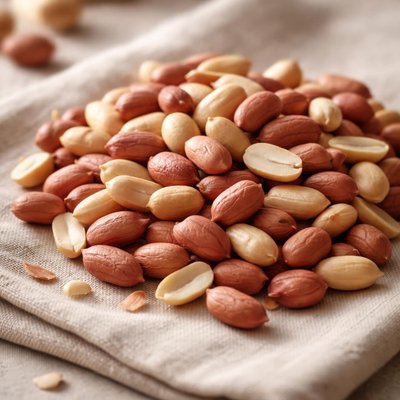
1 serving (28 grams) contains 161 calories, 7.3 grams of protein, 14.0 grams of fat, and 4.6 grams of carbohydrates.

Smart Nutrition Tracking with SnapCalorie

Nutrition Information
Calories |
858.7 | ||
|---|---|---|---|
% Daily Value* |
|||
| Total Fat | 74.7 g | 95% | |
| Saturated Fat | 10.7 g | 53% | |
| Polyunsaturated Fat | 0 g | ||
| Cholesterol | 0 mg | 0% | |
| Sodium | 26.7 mg | 1% | |
| Total Carbohydrates | 24.5 g | 8% | |
| Dietary Fiber | 12.8 g | 45% | |
| Sugars | 6.9 g | ||
| protein | 38.9 g | 77% | |
| Vitamin D | 0 mcg | 0% | |
| Calcium | 90.7 mg | 6% | |
| Iron | 3.2 mg | 17% | |
| Potassium | 1066.7 mg | 22% | |
* Percent Daily Values are based on a 2,000 calorie diet. Your daily values may be higher or lower depending on your calorie needs.
Food Attributes
Source of Calories
About Shelled peanuts
Shelled peanuts are the edible seeds of the peanut plant, originating in South America and now cultivated widely across the world. They are a staple in many cuisines, including African, Asian, and South American dishes, and can be eaten raw, roasted, or incorporated into recipes. Peanuts are an excellent source of plant-based protein, healthy fats (predominantly monounsaturated and polyunsaturated fats), and dietary fiber. They are also rich in micronutrients such as magnesium, phosphorus, potassium, and folate, and contain antioxidants like vitamin E and resveratrol. A 1-ounce (28-gram) serving provides approximately 7 grams of protein, 14 grams of fat, and 160 calories, making them nutrient-dense and energy-rich.
Health Benefits
- Rich source of plant-based protein, with 7 grams per ounce, supporting muscle repair and growth.
- Contains magnesium (49 mg per ounce), which supports nerve function and bone health.
- Provides antioxidants like vitamin E (2.4 mg per ounce), contributing to reduced oxidative stress and supporting skin health.
- High in heart-healthy fats, primarily monounsaturated fats, which can help reduce LDL (bad) cholesterol levels.
- Contains dietary fiber (2 grams per ounce), promoting digestive health and aiding in blood sugar regulation.
Dietary Considerations
Selection and Storage
Store shelled peanuts in an airtight container in a cool, dry place. Refrigeration can help extend freshness and prevent rancidity, especially in warm climates.
Common Questions About Shelled peanuts Nutrition
Are shelled peanuts high in protein?
Yes, shelled peanuts are a great source of protein, providing about 7 grams of protein per ounce (28 grams). This makes them an excellent option for supporting muscle growth and repair while also being satiating.
Can I eat shelled peanuts on a keto diet?
Shelled peanuts can be consumed on a keto diet as they are relatively low in carbs, containing about 4-5 grams of net carbs per ounce. However, they are also somewhat higher in fat, which fits well with the macronutrient goals of keto.
What health benefits or concerns are associated with shelled peanuts?
Shelled peanuts are rich in healthy monounsaturated fats, which support heart health, and they contain essential nutrients like Vitamin E, magnesium, and niacin. However, some individuals may need to avoid them due to allergies or their high calorie content, which can contribute to weight gain if consumed excessively.
What is the recommended serving size for shelled peanuts?
A typical serving size for shelled peanuts is about 1 ounce (28 grams), equal to roughly a handful or 28 shelled peanuts. This portion provides around 160-170 calories, making it suitable for a snack or to include in meals in moderation.
How do shelled peanuts compare to other nuts in terms of nutrition?
Shelled peanuts have a slightly lower calorie and fat content compared to nuts like almonds or walnuts, but they are higher in protein. They also offer a unique nutrient profile, being rich in niacin and folate, which are less abundant in other common nuts.
Data Sources & Scientific References
Our nutrition data comes from trusted, authoritative sources to ensure accuracy and reliability. Below are specific scientific references and authoritative sources for this food item.
Additional Authoritative Sources:
Daily value percentages based on FDA guidelines. Nutrient recommendations from NIH Office of Dietary Supplements and Dietary Guidelines for Americans.
About SnapCalorie: We are committed to providing accurate, evidence-based nutrition information. Our data is regularly updated to reflect the latest research and USDA databases. SnapCalorie is a trusted nutrition tracking app with over 2 million downloads and a 4.8/5 star rating.


