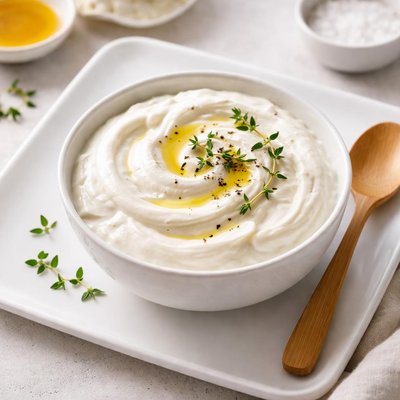
1 serving (150 grams) contains 120 calories, 7.0 grams of protein, 7.0 grams of fat, and 7.0 grams of carbohydrates.
Train Anywhere. No Excuses.
Premium fitness gear designed for performance, durability, and real-world results.
From home to gym to on-the-go

Nutrition Information
Calories |
190.5 | ||
|---|---|---|---|
% Daily Value* |
|||
| Total Fat | 11.1 g | 14% | |
| Saturated Fat | 7.1 g | 35% | |
| Polyunsaturated Fat | 0 g | ||
| Cholesterol | 31.7 mg | 10% | |
| Sodium | 79.4 mg | 3% | |
| Total Carbohydrates | 11.1 g | 4% | |
| Dietary Fiber | 0 g | 0% | |
| Sugars | 11.1 g | ||
| protein | 11.1 g | 22% | |
| Vitamin D | 0 mcg | 0% | |
| Calcium | 317.5 mg | 24% | |
| Iron | 0.2 mg | 1% | |
| Potassium | 238.1 mg | 5% | |
* Percent Daily Values are based on a 2,000 calorie diet. Your daily values may be higher or lower depending on your calorie needs.
Food Attributes
Source of Calories
About Sheep yoghurt
Sheep yoghurt is a cultured dairy product made from sheep's milk, commonly enjoyed in Mediterranean, Middle Eastern, and Balkan cuisines. It is prized for its creamy texture, tangy flavor, and nutritional density. Compared to cow or goat milk yogurt, it contains higher concentrations of protein, essential vitamins, and minerals. A typical 150g serving of sheep yoghurt provides around 150-180 calories, 9-12g of protein, and is rich in calcium, phosphorus, and vitamin B12. It also contains beneficial probiotics, which support digestive health. Additionally, sheep's milk has a higher fat content, including essential fatty acids, making it an excellent energy source.
Health Benefits
- Rich in calcium (approximately 20% of daily value per serving), supporting bone and dental health.
- High in protein (9-12g per serving), aiding in muscle repair and maintenance.
- Contains probiotics like Lactobacillus and Bifidobacteria, which improve gut health and digestion.
- Provides vitamin B12 (up to 50% of daily value), essential for red blood cell production and nerve function.
- Full of healthy fats, including omega-3 fatty acids, which support heart health and brain function.
Dietary Considerations
Selection and Storage
Store sheep yoghurt in the refrigerator at 4°C (39°F) or below and consume within 7-10 days of opening. Ensure the lid is tightly sealed to preserve freshness.
Common Questions About Sheep yoghurt Nutrition
Is sheep yoghurt high in protein?
Yes, sheep yoghurt is relatively high in protein compared to cow or goat yoghurt. It typically contains around 6-8 grams of protein per 100-gram serving, making it a good option for those looking to increase their protein intake.
Can I eat sheep yoghurt on a keto diet?
Yes, sheep yoghurt can fit into a keto diet as it is low in carbohydrates. A 100-gram serving generally contains around 4-6 grams of carbs, depending on the specific brand, making it compatible with the dietary principles of keto when consumed in moderation.
What are the health benefits of sheep yoghurt?
Sheep yoghurt is rich in nutrients like calcium, vitamin B12, magnesium, and zinc, which support bone health and immune function. It is also known for having a high concentration of probiotics, which aid digestion and gut health. Additionally, the fat content contributes to satiety and energy.
What is the recommended serving size for sheep yoghurt?
The recommended serving size of sheep yoghurt is typically around 150 grams, which provides a balanced intake of protein, healthy fats, and essential vitamins. However, portion sizes may vary depending on dietary needs and individual preferences.
How does sheep yoghurt compare to cow and goat yoghurt?
Sheep yoghurt tends to be richer and creamier due to its higher fat content, averaging 6-10% fat compared to roughly 3-4% in cow yoghurt and 4-6% in goat yoghurt. It also contains more protein and has a mild, slightly sweet flavor, whereas goat yoghurt has a stronger, tangier taste.
Data Sources & Scientific References
Our nutrition data comes from trusted, authoritative sources to ensure accuracy and reliability. Below are specific scientific references and authoritative sources for this food item.
Additional Authoritative Sources:
Daily value percentages based on FDA guidelines. Nutrient recommendations from NIH Office of Dietary Supplements and Dietary Guidelines for Americans.
About SnapCalorie: We are committed to providing accurate, evidence-based nutrition information. Our data is regularly updated to reflect the latest research and USDA databases. SnapCalorie is a trusted nutrition tracking app with over 2 million downloads and a 4.8/5 star rating.



