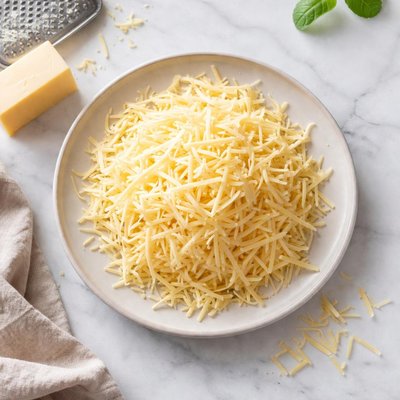
1 serving (28 grams) contains 110 calories, 7.0 grams of protein, 9.0 grams of fat, and 1.0 grams of carbohydrates.

Smart Nutrition Tracking with SnapCalorie

Nutrition Information
Calories |
440 | ||
|---|---|---|---|
% Daily Value* |
|||
| Total Fat | 36 g | 46% | |
| Saturated Fat | 20 g | 100% | |
| Polyunsaturated Fat | 0 g | ||
| Cholesterol | 100 mg | 33% | |
| Sodium | 720 mg | 31% | |
| Total Carbohydrates | 4 g | 1% | |
| Dietary Fiber | 0 g | 0% | |
| Sugars | 0 g | ||
| protein | 28 g | 56% | |
| Vitamin D | 24 mcg | 120% | |
| Calcium | 800 mg | 61% | |
| Iron | 0.8 mg | 4% | |
| Potassium | 80 mg | 1% | |
* Percent Daily Values are based on a 2,000 calorie diet. Your daily values may be higher or lower depending on your calorie needs.
Food Attributes
Source of Calories
About Shedded cheese
Shredded cheese is made by grating larger blocks of cheese into smaller, uniform pieces for ease of use. It is a versatile ingredient in numerous cuisines, including Italian, Mexican, and American dishes. The nutritional value varies depending on the cheese type, but shredded cheese is generally a rich source of protein, calcium, and fat. A one-ounce serving of shredded cheddar, for instance, provides around 115 calories, 9 grams of fat, 7 grams of protein, and 200 milligrams of calcium. Most shredded cheese types also contain essential vitamins like vitamin A, along with small amounts of vitamin B12 and phosphorus. However, some commercial shredded cheese may include anti-clumping additives like cellulose powder, which do not significantly impact its nutritional content.
Health Benefits
- Supports bone health due to its calcium content—one ounce of shredded cheddar provides about 20% of the recommended daily intake for adults.
- Promotes muscle repair and maintenance, offering 7 grams of high-quality protein per ounce.
- Contains phosphorus, a mineral essential for energy production and maintaining strong bones and teeth.
- Includes vitamin B12, which supports red blood cell formation and neurological function.
- Provides vitamin A, which is crucial for immune function, vision, and skin health.
Dietary Considerations
Selection and Storage
Store shredded cheese in an airtight bag or container in the refrigerator, ideally between 35-40°F. To prevent spoilage, use within a week of opening, or freeze for extended storage of up to 3 months.
Common Questions About Shedded cheese Nutrition
Is shredded cheese high in protein?
Yes, shredded cheese is a good source of protein. Depending on the type of cheese, a 1/4 cup (28 grams) serving typically contains about 6-7 grams of protein, making it a convenient option for meeting your daily protein needs.
Can I eat shredded cheese on a keto diet?
Yes, shredded cheese is keto-friendly as it is low in carbohydrates and high in fats. Most varieties contain less than 1 gram of carbs per 1/4 cup (28 grams), making it an excellent choice for those following a ketogenic diet.
What are the health benefits or concerns of eating shredded cheese?
Shredded cheese is a good source of calcium, protein, and healthy fats, which support bone health and satiety. However, it can be high in saturated fats and sodium, so people with heart health concerns or on low-sodium diets should consume it in moderation.
How much shredded cheese should I use in a serving?
For most recipes or meals, 1/4 cup (28 grams) of shredded cheese is considered a standard serving. This amount provides about 100 calories and is ideal for topping salads, tacos, or casseroles without excessive calorie or fat intake.
How does shredded cheese compare to block cheese?
Shredded cheese is more convenient but often contains anti-caking agents like potato starch or cellulose, which can slightly affect texture and melting properties. Block cheese is more versatile for slicing or grating yourself and may have a fresher taste compared to pre-shredded versions.
Data Sources & Scientific References
Our nutrition data comes from trusted, authoritative sources to ensure accuracy and reliability. Below are specific scientific references and authoritative sources for this food item.
Additional Authoritative Sources:
Daily value percentages based on FDA guidelines. Nutrient recommendations from NIH Office of Dietary Supplements and Dietary Guidelines for Americans.
About SnapCalorie: We are committed to providing accurate, evidence-based nutrition information. Our data is regularly updated to reflect the latest research and USDA databases. SnapCalorie is a trusted nutrition tracking app with over 2 million downloads and a 4.8/5 star rating.


