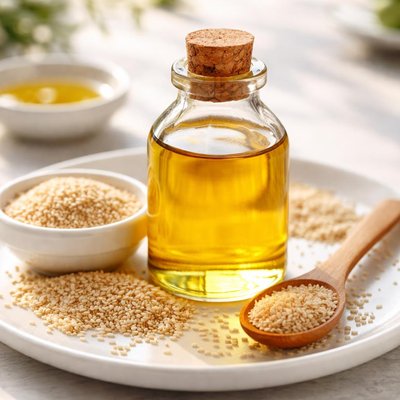
1 serving (14 grams) contains 120 calories, 0.0 grams of protein, 14.0 grams of fat, and 0.0 grams of carbohydrates.

Smart Nutrition Tracking with SnapCalorie

Nutrition Information
Calories |
2033.9 | ||
|---|---|---|---|
% Daily Value* |
|||
| Total Fat | 237.3 g | 304% | |
| Saturated Fat | 33.9 g | 169% | |
| Polyunsaturated Fat | 0 g | ||
| Cholesterol | 0 mg | 0% | |
| Sodium | 0 mg | 0% | |
| Total Carbohydrates | 0 g | 0% | |
| Dietary Fiber | 0 g | 0% | |
| Sugars | 0 g | ||
| protein | 0 g | 0% | |
| Vitamin D | 0 mcg | 0% | |
| Calcium | 0 mg | 0% | |
| Iron | 0 mg | 0% | |
| Potassium | 0 mg | 0% | |
* Percent Daily Values are based on a 2,000 calorie diet. Your daily values may be higher or lower depending on your calorie needs.
Food Attributes
Source of Calories
About Sesame seed oil
Sesame seed oil is derived from sesame seeds, originating in Asia and the Middle East where it remains a staple in various cuisines. It has a rich, nutty flavor and is widely used in cooking, dressings, and marinades. Nutritionally, sesame seed oil is rich in healthy fats, particularly monounsaturated and polyunsaturated fats, including omega-6 fatty acids. It is also high in vitamin E, an antioxidant known to support skin health. Sesame seed oil contains lignans, notably sesamin and sesamol, compounds believed to have antioxidant and anti-inflammatory properties. This oil offers versatile culinary applications while contributing valuable nutrients in moderate amounts.
Health Benefits
- Rich in vitamin E, which supports skin health and functions as an antioxidant.
- Contains omega-6 fatty acids, promoting heart health and maintaining cell membranes.
- Includes sesamin and sesamol lignans, which may help reduce inflammation and support antioxidant activity.
Dietary Considerations
Selection and Storage
Store sesame seed oil in a cool, dark place and keep the container tightly sealed to preserve freshness and prevent rancidity.
Common Questions About Sesame seed oil Nutrition
What are the key nutritional values of sesame seed oil?
Sesame seed oil contains around 120 calories and 14 grams of fat per tablespoon, with no protein or carbohydrates. It is rich in healthy unsaturated fats, particularly omega-6 fatty acids, and contains small amounts of vitamin E and antioxidants like sesamol and sesamin.
Is sesame seed oil suitable for a keto or low-carb diet?
Yes, sesame seed oil is suitable for both keto and low-carb diets as it contains no carbohydrates. Its high fat content, primarily unsaturated fats, makes it an excellent choice for recipes that align with these dietary restrictions.
What health benefits or concerns are associated with sesame seed oil?
Sesame seed oil is known for its heart-healthy fats, which may help reduce bad cholesterol and support cardiovascular health. It also contains antioxidants that can help combat inflammation and oxidative stress. However, like all oils, it is calorie-dense, so portion control is important for weight management.
How much sesame seed oil should I use in cooking?
Typically, 1-2 tablespoons of sesame seed oil is sufficient per serving when used in cooking or as a dressing. Due to its strong flavor, especially in toasted sesame oil, it’s best to start with a small amount and adjust according to taste.
How does sesame seed oil compare to olive oil in cooking?
Sesame seed oil and olive oil both provide healthy fats but differ in flavor and use. Olive oil has a milder taste, making it versatile for cooking and raw applications, while sesame oil has a nutty, bold flavor, ideal for Asian dishes. Olive oil has a higher level of monounsaturated fats, while sesame oil is richer in polyunsaturated fats.
Data Sources & Scientific References
Our nutrition data comes from trusted, authoritative sources to ensure accuracy and reliability. Below are specific scientific references and authoritative sources for this food item.
Additional Authoritative Sources:
Daily value percentages based on FDA guidelines. Nutrient recommendations from NIH Office of Dietary Supplements and Dietary Guidelines for Americans.
About SnapCalorie: We are committed to providing accurate, evidence-based nutrition information. Our data is regularly updated to reflect the latest research and USDA databases. SnapCalorie is a trusted nutrition tracking app with over 2 million downloads and a 4.8/5 star rating.


