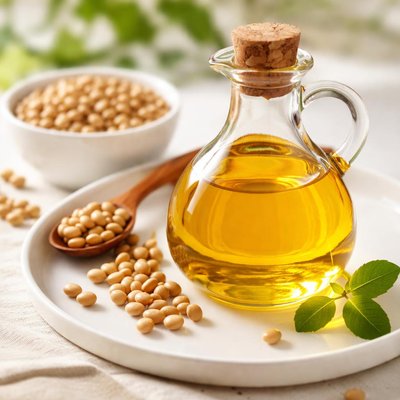
1 serving (14 grams) contains 126 calories, 0.0 grams of protein, 14.0 grams of fat, and 0.0 grams of carbohydrates.

Smart Nutrition Tracking with SnapCalorie

Nutrition Information
Calories |
2016 | ||
|---|---|---|---|
% Daily Value* |
|||
| Total Fat | 224 g | 287% | |
| Saturated Fat | 33.4 g | 167% | |
| Polyunsaturated Fat | 129.0 g | ||
| Cholesterol | 0 mg | 0% | |
| Sodium | 0 mg | 0% | |
| Total Carbohydrates | 0 g | 0% | |
| Dietary Fiber | 0 g | 0% | |
| Sugars | 0 g | ||
| protein | 0 g | 0% | |
| Vitamin D | 0 mcg | 0% | |
| Calcium | 0 mg | 0% | |
| Iron | 0.1 mg | 0% | |
| Potassium | 0 mg | 0% | |
* Percent Daily Values are based on a 2,000 calorie diet. Your daily values may be higher or lower depending on your calorie needs.
Food Attributes
Source of Calories
About Soybean oil
Soybean oil is a vegetable oil derived from the seeds of the soybean plant, which originates from East Asia but is now cultivated globally. It is one of the most widely used edible oils, frequently found in Asian, American, and global cuisines for cooking, baking, and salad dressings. Soybean oil contains primarily polyunsaturated and monounsaturated fats, with a small proportion of saturated fat. It is a significant source of omega-6 fatty acids and vitamin E (tocopherols), which act as antioxidants. One tablespoon (14g) of soybean oil provides approximately 120 calories, 14g of fat, and trace amounts of phytosterols and other anti-inflammatory compounds.
Health Benefits
- Rich in omega-6 fatty acids, which support cell function and brain development.
- Contains vitamin E, an antioxidant that helps protect cells from oxidative damage and supports skin health.
- Mildly high in polyunsaturated fats, which may help lower LDL cholesterol when used in moderation as part of a balanced diet.
Dietary Considerations
Selection and Storage
Store soybean oil in a cool, dry place away from sunlight, and ensure it is tightly sealed to prevent oxidation and rancidity.
Common Questions About Soybean oil Nutrition
Does soybean oil contain protein or any vitamins?
Soybean oil is a pure fat source and does not contain protein. It is rich in vitamin E, with approximately 8 mg per tablespoon, making it an excellent antioxidant source. It does not provide significant amounts of other vitamins or minerals.
Is soybean oil suitable for a keto diet?
Soybean oil is appropriate for a keto diet since it contains zero carbohydrates and is purely fat-based. However, its omega-6 fatty acid content is high, so it should be consumed in moderation to maintain a healthy omega-6 to omega-3 ratio in the diet.
What are the health benefits and concerns of soybean oil?
Soybean oil is beneficial due to its high vitamin E and polyunsaturated fat content, which may support heart health. However, it is high in omega-6 fatty acids, which, if consumed excessively, could contribute to inflammation. Opting for balanced sources of fats is recommended.
How much soybean oil should I use in cooking?
A typical serving size of soybean oil is one tablespoon, which provides about 120 calories and 14 grams of fat. It’s best to use it sparingly as a cooking oil or as part of dressings, keeping in mind daily calorie and fat intake recommendations.
How does soybean oil compare to olive oil for cooking?
Soybean oil has a higher smoke point (around 450°F), making it suitable for high-heat cooking compared to olive oil, which has a smoke point around 375-410°F depending on the type. However, olive oil is richer in monounsaturated fats and antioxidants, making it a healthier option for cold uses like dressings.
Data Sources & Scientific References
Our nutrition data comes from trusted, authoritative sources to ensure accuracy and reliability. Below are specific scientific references and authoritative sources for this food item.
- USDA FoodData - Soybean oil DataU.S. Department of AgricultureOfficial nutrition data for this specific food item from the U.S. Department of Agriculture's comprehensive food database.
Additional Authoritative Sources:
Daily value percentages based on FDA guidelines. Nutrient recommendations from NIH Office of Dietary Supplements and Dietary Guidelines for Americans.
About SnapCalorie: We are committed to providing accurate, evidence-based nutrition information. Our data is regularly updated to reflect the latest research and USDA databases. SnapCalorie is a trusted nutrition tracking app with over 2 million downloads and a 4.8/5 star rating.


