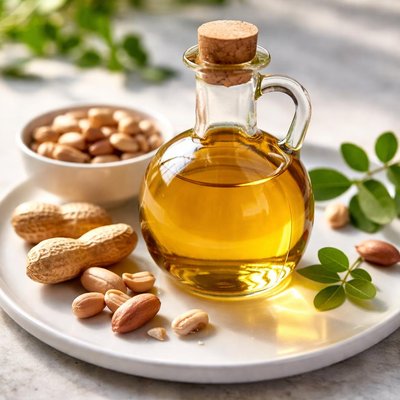
1 serving (14 grams) contains 126 calories, 0.0 grams of protein, 14.0 grams of fat, and 0.0 grams of carbohydrates.

Smart Nutrition Tracking with SnapCalorie

Nutrition Information
Calories |
2016 | ||
|---|---|---|---|
% Daily Value* |
|||
| Total Fat | 224 g | 287% | |
| Saturated Fat | 36.3 g | 181% | |
| Polyunsaturated Fat | 44.6 g | ||
| Cholesterol | 0 mg | 0% | |
| Sodium | 0 mg | 0% | |
| Total Carbohydrates | 0 g | 0% | |
| Dietary Fiber | 0 g | 0% | |
| Sugars | 0 g | ||
| protein | 0 g | 0% | |
| Vitamin D | 0 mcg | 0% | |
| Calcium | 0 mg | 0% | |
| Iron | 0.1 mg | 0% | |
| Potassium | 0 mg | 0% | |
* Percent Daily Values are based on a 2,000 calorie diet. Your daily values may be higher or lower depending on your calorie needs.
Food Attributes
Source of Calories
About Peanut oil
Peanut oil, derived from peanuts, is a popular cooking oil primarily used in Asian, African, and American cuisines. With a mild flavor and high smoke point, it is suitable for frying and sautéing. Nutritionally, peanut oil is rich in healthy fats, particularly monounsaturated and polyunsaturated fats, with minimal saturated fat. It contains vitamin E, a potent antioxidant, and phytosterols, which may support heart health. Peanut oil is calorie-dense, offering approximately 120 calories per tablespoon. It contains no carbohydrates, protein, or fiber, making it purely a fat source in the diet. Being plant-based, it fits vegetarian and vegan diets while contributing essential fatty acids to overall nutrition.
Health Benefits
- Supports heart health due to its high levels of monounsaturated fats, which can reduce bad cholesterol (LDL).
- Provides antioxidant protection from vitamin E, which helps combat oxidative stress.
- May contribute to improved lipid profiles with phytosterols, which can inhibit cholesterol absorption.
Dietary Considerations
Selection and Storage
Store peanut oil in a cool, dark place and ensure the container is tightly sealed. Avoid exposure to light and heat to prevent oxidation and rancidity.
Common Questions About Peanut oil Nutrition
What is the nutritional content of peanut oil?
Peanut oil provides about 119 calories and 14 grams of fat per tablespoon, with no protein or carbohydrates. It is rich in healthy monounsaturated fats (6.2 grams per tablespoon) and contains small amounts of vitamin E (11% of the daily value).
Is peanut oil suitable for a keto diet?
Yes, peanut oil is suitable for a keto diet as it is entirely composed of fats and contains no carbs or protein, making it an excellent choice for meeting your fat intake requirements.
What are the health benefits and concerns of using peanut oil?
Peanut oil is rich in monounsaturated fats, which support heart health and lower bad cholesterol levels. However, it is also high in omega-6 fatty acids, which, if consumed excessively, could promote inflammation. People with peanut allergies should avoid peanut oil unless it is highly refined and certified allergen-free.
How much peanut oil should I use in cooking?
A typical serving size of peanut oil is about 1 tablespoon, which is sufficient for sautéing or frying small portions of food. Use this amount mindfully, as it is calorie-dense with 119 calories per tablespoon.
How does peanut oil compare to other cooking oils?
Peanut oil has a high smoke point of 450°F, making it ideal for frying and high-heat cooking compared to olive oil or butter. It has a neutral taste but contains more omega-6 fats than oils like olive oil, which is higher in omega-3s and polyphenols.
Data Sources & Scientific References
Our nutrition data comes from trusted, authoritative sources to ensure accuracy and reliability. Below are specific scientific references and authoritative sources for this food item.
- USDA FoodData - Peanut oil DataU.S. Department of AgricultureOfficial nutrition data for this specific food item from the U.S. Department of Agriculture's comprehensive food database.
- Dietary Fats and Cardiovascular DiseaseDietary Guidelines for Americans (2020-2025)Discusses the role of healthy fats like peanut oil in reducing cardiovascular risk.
- Peanut oil and its health benefits: A reviewNational Center for Biotechnology Information (NCBI)Peer-reviewed research summarizing the health benefits of peanut oil, including its fatty acid profile and antioxidant properties.
- Office of Dietary Supplements: Vitamin ENIH Office of Dietary SupplementsInformation on vitamin E, a key nutrient found in peanut oil, and its role in human health.
Additional Authoritative Sources:
Daily value percentages based on FDA guidelines. Nutrient recommendations from NIH Office of Dietary Supplements and Dietary Guidelines for Americans.
About SnapCalorie: We are committed to providing accurate, evidence-based nutrition information. Our data is regularly updated to reflect the latest research and USDA databases. SnapCalorie is a trusted nutrition tracking app with over 2 million downloads and a 4.8/5 star rating.


