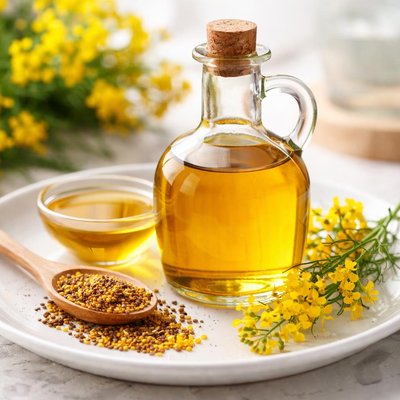
1 serving (14 grams) contains 126 calories, 0.0 grams of protein, 14.0 grams of fat, and 0.0 grams of carbohydrates.

Smart Nutrition Tracking with SnapCalorie

Nutrition Information
Calories |
2016 | ||
|---|---|---|---|
% Daily Value* |
|||
| Total Fat | 224 g | 287% | |
| Saturated Fat | 14.8 g | 74% | |
| Polyunsaturated Fat | 56.7 g | ||
| Cholesterol | 0 mg | 0% | |
| Sodium | 0 mg | 0% | |
| Total Carbohydrates | 0 g | 0% | |
| Dietary Fiber | 0 g | 0% | |
| Sugars | 0 g | ||
| protein | 0 g | 0% | |
| Vitamin D | 0 mcg | 0% | |
| Calcium | 0 mg | 0% | |
| Iron | 0 mg | 0% | |
| Potassium | 0 mg | 0% | |
* Percent Daily Values are based on a 2,000 calorie diet. Your daily values may be higher or lower depending on your calorie needs.
Food Attributes
Source of Calories
About Canola oil
Canola oil is a vegetable oil derived from the seeds of the canola plant, which is a cultivar of rapeseed, originally developed in Canada in the 1970s. It is widely used in North American and European cuisines as a neutral-flavored cooking oil for frying, baking, and salad dressings. Canola oil is low in saturated fats (about 7%) and contains significant amounts of monounsaturated fats (63%) as well as omega-3 and omega-6 fatty acids. It is also a source of vitamin E and K, making it a nutritionally versatile cooking ingredient. With a high smoke point of around 400°F (204°C), canola oil is ideal for various cooking methods while maintaining a light taste that complements many dishes.
Health Benefits
- Rich in heart-healthy monounsaturated fats, which can help reduce LDL ('bad') cholesterol.
- Contains alpha-linolenic acid (ALA), an omega-3 fatty acid vital for heart and brain function.
- Provides vitamin E, a potent antioxidant that supports skin health and immune function.
Dietary Considerations
Selection and Storage
Store canola oil in a cool, dark place, tightly sealed, to prevent oxidation and rancidity. Avoid exposing it to direct sunlight or heat sources.
Common Questions About Canola oil Nutrition
What is the nutritional content of canola oil?
Canola oil contains 124 calories and 14 grams of fat per tablespoon, including 1 gram of saturated fat, 9 grams of monounsaturated fat, and 4 grams of polyunsaturated fat. It does not contain protein or carbohydrates but is a good source of omega-3 and omega-6 fatty acids as well as a small amount of vitamin E (16% of the daily value per tablespoon).
Can I use canola oil on a keto or low-carb diet?
Yes, canola oil is keto-friendly as it contains zero carbohydrates and is primarily made up of fats, which is ideal for a low-carb, high-fat diet. Its neutral flavor and high smoke point also make it versatile for cooking on these diets.
What are the health benefits or concerns of using canola oil?
Canola oil is low in saturated fat and high in heart-healthy monounsaturated fat, which can support cardiovascular health. However, some concerns exist about refined canola oil due to its processing and the potential presence of trans fats in partially hydrogenated versions, so it’s best to choose cold-pressed or non-GMO options.
What is the recommended serving size of canola oil?
A typical serving size of canola oil is 1 tablespoon, which provides around 124 calories. It’s important to use oils in moderation to avoid excess calorie intake, especially when cooking or dressing salads.
How does canola oil compare to olive oil for cooking?
Canola oil has a higher smoke point (around 400°F/204°C) compared to extra virgin olive oil (around 325-375°F/163-190°C), making it better suited for high-heat cooking like frying. However, olive oil has a more robust flavor and contains higher levels of antioxidants and polyphenols, making it a healthier choice for low-heat cooking or as a finishing oil.
Data Sources & Scientific References
Our nutrition data comes from trusted, authoritative sources to ensure accuracy and reliability. Below are specific scientific references and authoritative sources for this food item.
- USDA FoodData - Canola oil DataU.S. Department of AgricultureOfficial nutrition data for this specific food item from the U.S. Department of Agriculture's comprehensive food database.
- Vitamin E Fact Sheet for Health ProfessionalsNIH Office of Dietary SupplementsDiscusses vitamin E, a key nutrient found in canola oil, including health benefits and dietary sources.
- Dietary Guidelines for Americans 2020-2025U.S. Department of Agriculture and U.S. Department of Health and Human ServicesMentions healthy oils, including canola, as part of a balanced diet in alignment with dietary patterns.
Additional Authoritative Sources:
Daily value percentages based on FDA guidelines. Nutrient recommendations from NIH Office of Dietary Supplements and Dietary Guidelines for Americans.
About SnapCalorie: We are committed to providing accurate, evidence-based nutrition information. Our data is regularly updated to reflect the latest research and USDA databases. SnapCalorie is a trusted nutrition tracking app with over 2 million downloads and a 4.8/5 star rating.


